
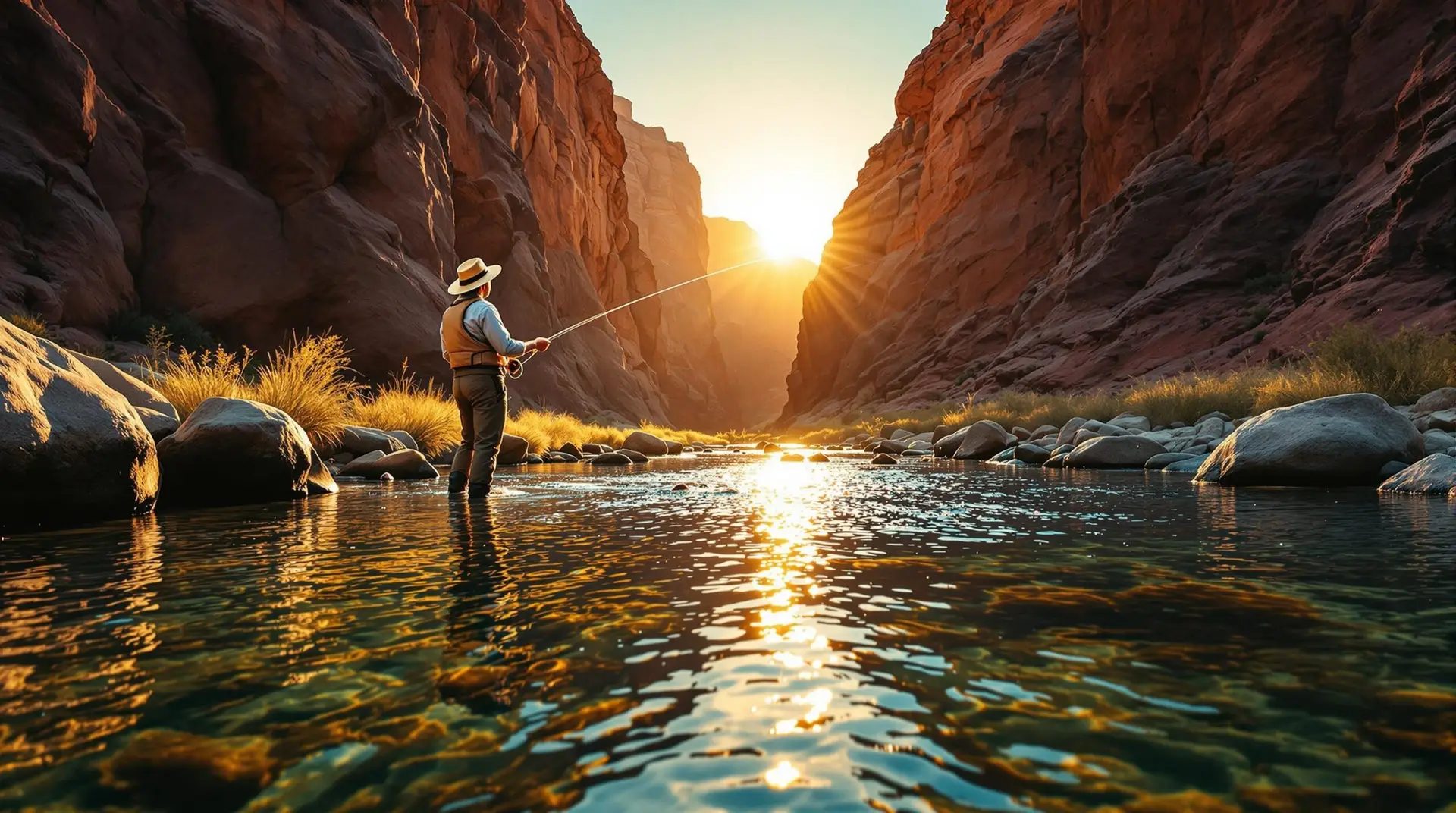
Utah’s 2,700 square miles of fishable water support everything from 30-inch brown trout in crystal-clear tailwaters to native cutthroat in wilderness streams. Whether you’re pursuing trophy fish on world-famous waters or seeking solitude on overlooked creeks, the state delivers diverse opportunities across dramatic elevation changes from desert valleys to alpine lakes above 10,000 feet.
Fly fishing in Utah is not about checking destinations off a list. It is the pursuit of diverse experiences across elevation zones that create distinct fishing opportunities within hours of each other.
This guide identifies Utah’s premier fly fishing destinations, from accessible canyon streams perfect for developing water-reading skills to remote high-country lakes that reward wilderness commitment with guaranteed action on native species.
Quick Answer: The best places for fly fishing in Utah include the Green River below Flaming Gorge for trophy brown trout exceeding 30 inches, the 350-mile Bear River system for cutthroat trout, Lower Fish Creek’s Blue Ribbon brown trout water, and the Uinta Mountains’ hundreds of high-elevation streams and lakes offering wilderness solitude with diverse species.
Definition: Fly fishing in Utah refers to angling across 2,700 square miles of diverse waters spanning desert tailwaters to alpine wilderness, targeting native cutthroat alongside introduced brown, rainbow, and brook trout populations.
Key Evidence: According to Guide Recommended, the Green River supports brown trout exceeding 30 inches and 10 pounds alongside abundant rainbows, sustained by constant cool dam releases in crystal-clear water.
Context: Utah’s elevation range from 4,000 to over 10,000 feet creates distinct fishing zones, each offering unique species and experiences.
Maybe you’ve stood on a famous river wondering why the fishing feels harder than expected, while a small creek upstream holds eager trout in every pool. Utah’s fishing diversity works through elevation gradients that create distinct ecosystems within short distances. Desert tailwaters maintain consistent temperatures year-round, while alpine streams freeze for months, creating different species compositions and fishing windows. The result spans from technical presentation on intimate creeks to visual fishing for trophy browns in gin-clear water.
Key Takeaways
- Green River tailwater delivers world-class trophy fishing with visual opportunities on browns exceeding 30 inches
- Bear River’s 350 miles provides extensive cutthroat trout opportunities across varied terrain and access levels
- Blue Ribbon streams like Lower Fish Creek demand technical presentation on intimate water 15-30 feet wide
- Uinta Mountains wilderness rewards hikers with guaranteed action on brook and cutthroat trout at high elevation
- June timing optimizes cutthroat fishing on Weber River, Logan River, and Uinta-Wasatch-Cache waters
Premier Tailwaters and Trophy Destinations for Fly Fishing in Utah
The Green River below Flaming Gorge stands as Utah’s most famous destination, supporting brown trout exceeding 30 inches and 10 pounds in crystal-clear water that guides describe as “aquarium-like.” According to Guide Recommended, constant cool dam releases create conditions for explosive growth in both fish size and population density. This clarity allows visual fishing—watching trout behavior and adjusting presentation in real time during major hatches.
You might notice that big browns become surprisingly approachable during cicada emergences, losing their usual wariness as they focus on surface feeding. Choose your Green River section based on priorities. The middle section delivers consistent standard trout fishing with reliable action, while the lower section adds dramatic red canyon walls to similar tactics.
The Bear River system offers a different scale of opportunity. Drift Hook identifies this 350-mile waterway as North America’s longest inland river, hosting productive dry fly fishing for trophy cutthroat with large numbers caught annually in lower sections. The system ranges from agricultural valley stretches with easy access to remote areas where native populations thrive undisturbed.
Technical Blue Ribbon Waters
Lower Fish Creek in Wasatch foothills represents Blue Ribbon brown trout fishing on intimate water demanding precision over distance.
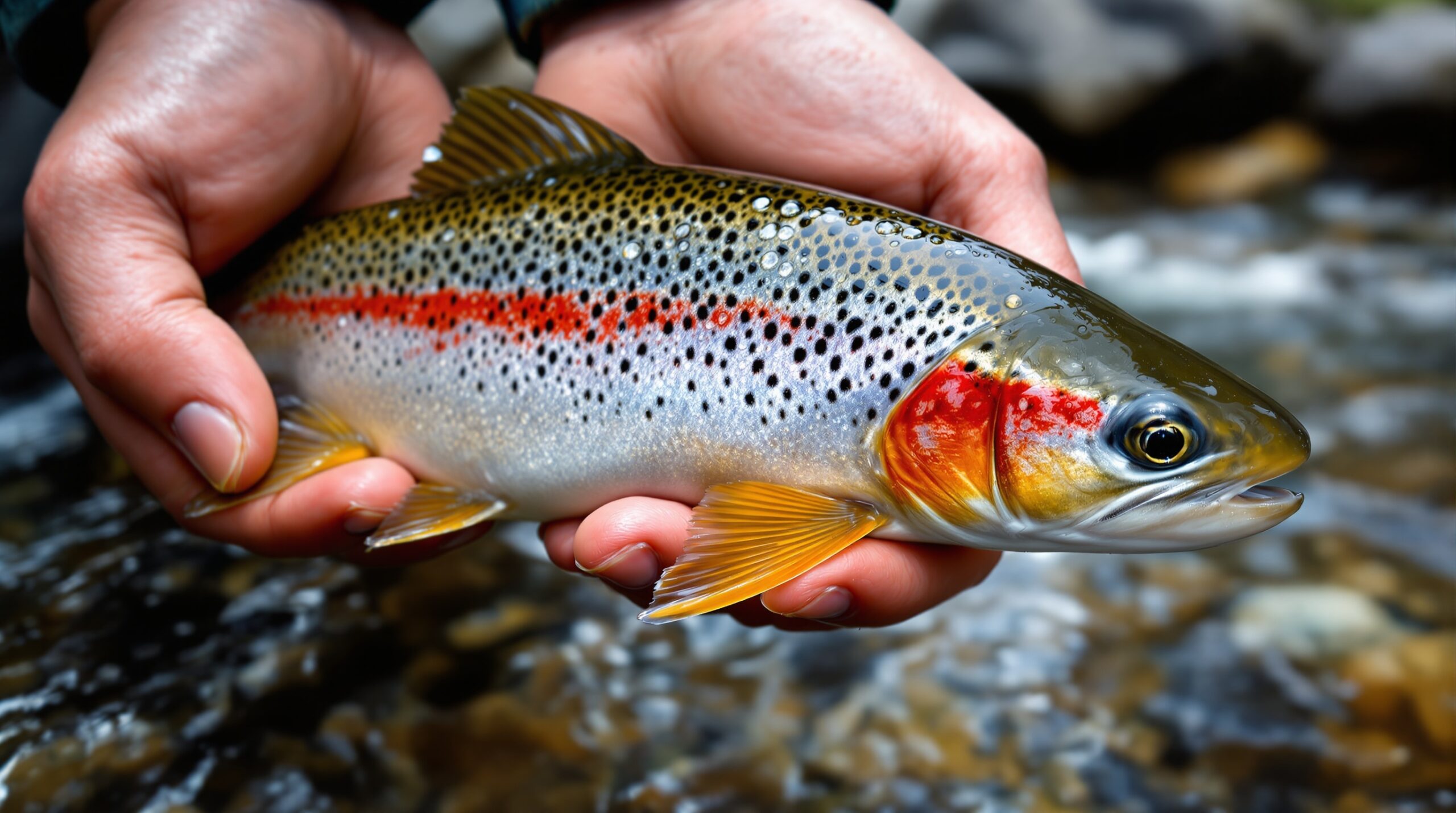
- Stream characteristics: Typically 15-30 feet wide and 1-6 feet deep, requiring careful reading of pools and structure
- Technical demands: Presentation and stealth matter more than casting distance on selective fish
- Target zones: Focus on transitions where fast water meets pools, undercut banks, and pocket water behind boulders
High-Elevation Wilderness Fishing in the Uinta Mountains
The Uinta Mountains deliver wilderness fishing experiences unavailable at lower elevations. Visit Utah highlights waters above 8,800 feet, including Fish Lake as Utah’s largest natural mountain lake and Mirror Lake with non-motorized access preserving serenity on the water. These destinations support rainbow, cutthroat, brook, brown, and lake trout across hundreds of streams and lakes.
One pattern that shows up often looks like this: you park at a popular trailhead where crowds gather around the first lake, then walk 20 minutes further to find eager brook trout in every pool with no other anglers in sight. Shingle Creek exemplifies this Uinta advantage for anglers willing to hike beyond roadside crowds. As Visit Utah notes, “You’re guaranteed to catch trout” on feisty brook and cutthroat after relatively short walks into less-pressured water.
For serious wilderness pursuit, the Uinta North Slope represents an emerging frontier. Destinations like Ostler Lake test fitness through steep approaches but reward effort with quality tiger trout and profound solitude. According to Utah Division of Wildlife Resources, waters like Gilbert Creek received chemical treatment in the early 2000s to restore native Colorado River cutthroat trout, providing authentic connections to Utah’s original fish heritage.
High-elevation fishing requires strategic timing due to shorter seasons and variable access. Pack backup patterns since isolated waters sometimes demand specific matches to available forage, though general attractors work well on backcountry brook trout that see few artificial flies.
Strategic Timing and Practical Approach for Utah Waters
Timing drives success across Utah’s diverse fishing zones. The Utah Division of Wildlife Resources identifies June as prime for cutthroat on the Weber River between Ogden River confluence and Echo Dam, Logan River, and Uinta-Wasatch-Cache waters like East Fork Blacks Fork. This seasonal window reflects optimal water temperatures and insect activity that triggers aggressive feeding.
Pressure management matters as much as seasonal timing. Plan weekday visits to popular destinations like Mirror Lake and Blacksmith Fork Canyon to avoid weekend crowds that push fish off feeding lies into deeper, harder-to-reach water. Recent trends show overlooked small streams consistently outperform famous waters for anglers willing to explore beyond obvious access points.
Water reading becomes essential on Utah’s technical streams. On narrow waters, observe depth changes, current seams, and structure in pools typically 1-6 feet deep. Approach from downstream when possible to avoid spooking fish in the clear, shallow conditions common across the state. Focus on transition zones where fast water meets slower pools—these edges concentrate feeding opportunities and often hold the most cooperative fish.
Mid-Elevation Canyon Options
Year-round opportunities exist on accessible canyon streams between the extremes of desert tailwaters and alpine wilderness.
- Blacksmith Fork River: Near Logan, offering brown and cutthroat in canyon settings that blend convenience with natural beauty
- Big Cottonwood Canyon Creek: Runs 15-30 feet wide through accessible terrain, ideal for developing water-reading skills
- Weekend pressure: Popularity creates crowding challenges on easily reached pools, requiring strategic timing for quality experiences
Why Fly Fishing in Utah Matters
Utah’s elevation diversity creates fishing zones unavailable in most states, from desert tailwaters to alpine wilderness within hours of each other. The combination of restored native cutthroat populations, world-class tailwater trophy potential, and hundreds of overlooked small streams means anglers of all skill levels find appropriate challenges. This variety rewards both technical mastery and wilderness exploration across 2,700 square miles of productive water that continues to surprise even experienced anglers.
Conclusion
Fly fishing in Utah spans from watching 30-inch browns feed in the Green River’s crystal water to hiking into Uinta wilderness for native cutthroat. The state’s 2,700 square miles of fishable water support both trophy hunters on famous tailwaters and solitude seekers on overlooked creeks. Success depends on matching destination to timing—June for cutthroat, hatch periods for tailwater trophies, weekdays for avoiding crowds. Whether you’re perfecting technical presentation on Blue Ribbon streams or exploring backcountry lakes, Utah delivers diverse opportunities across dramatic elevation changes. Start with accessible canyon waters, then venture into wilderness areas as skills and ambition grow.
Frequently Asked Questions
What makes fly fishing in Utah unique?
Utah offers 2,700 square miles of diverse waters spanning desert tailwaters to alpine wilderness, with elevation changes from 4,000 to over 10,000 feet creating distinct fishing zones and species within hours of each other.
Where can I catch trophy brown trout in Utah?
The Green River below Flaming Gorge supports brown trout exceeding 30 inches and 10 pounds in crystal-clear water with constant cool dam releases creating aquarium-like conditions for visual fishing.
What is the Bear River system known for?
The Bear River is North America’s longest inland river at 350 miles, offering extensive cutthroat trout fishing opportunities across varied terrain from agricultural valleys to remote wilderness areas.
When is the best time to fish for cutthroat trout in Utah?
June is prime timing for cutthroat fishing on the Weber River, Logan River, and Uinta-Wasatch-Cache waters when optimal water temperatures and insect activity trigger aggressive feeding.
What are Blue Ribbon streams in Utah?
Blue Ribbon streams like Lower Fish Creek are premium brown trout waters typically 15-30 feet wide demanding technical presentation and stealth over casting distance on selective fish.
What can I expect in the Uinta Mountains?
The Uinta Mountains offer wilderness fishing above 8,800 feet with hundreds of streams and lakes supporting rainbow, cutthroat, brook, brown, and lake trout with guaranteed action after short hikes.
Sources
- Drift Hook – Comprehensive listing of 36 top Utah fly fishing locations with species information and fly recommendations across rivers, streams, and high-elevation lakes
- Guide Recommended – Professional guide perspectives on premier destinations including Green River tailwater trophy potential and Lower Fish Creek Blue Ribbon fishery characteristics
- Visit Utah – Official state tourism resource covering Uinta Mountains high-country fishing opportunities, including Shingle Creek and backcountry access strategies
- Utah Division of Wildlife Resources – State wildlife management agency guidance on prime June cutthroat fishing locations and native species restoration efforts including Gilbert Creek treatment