
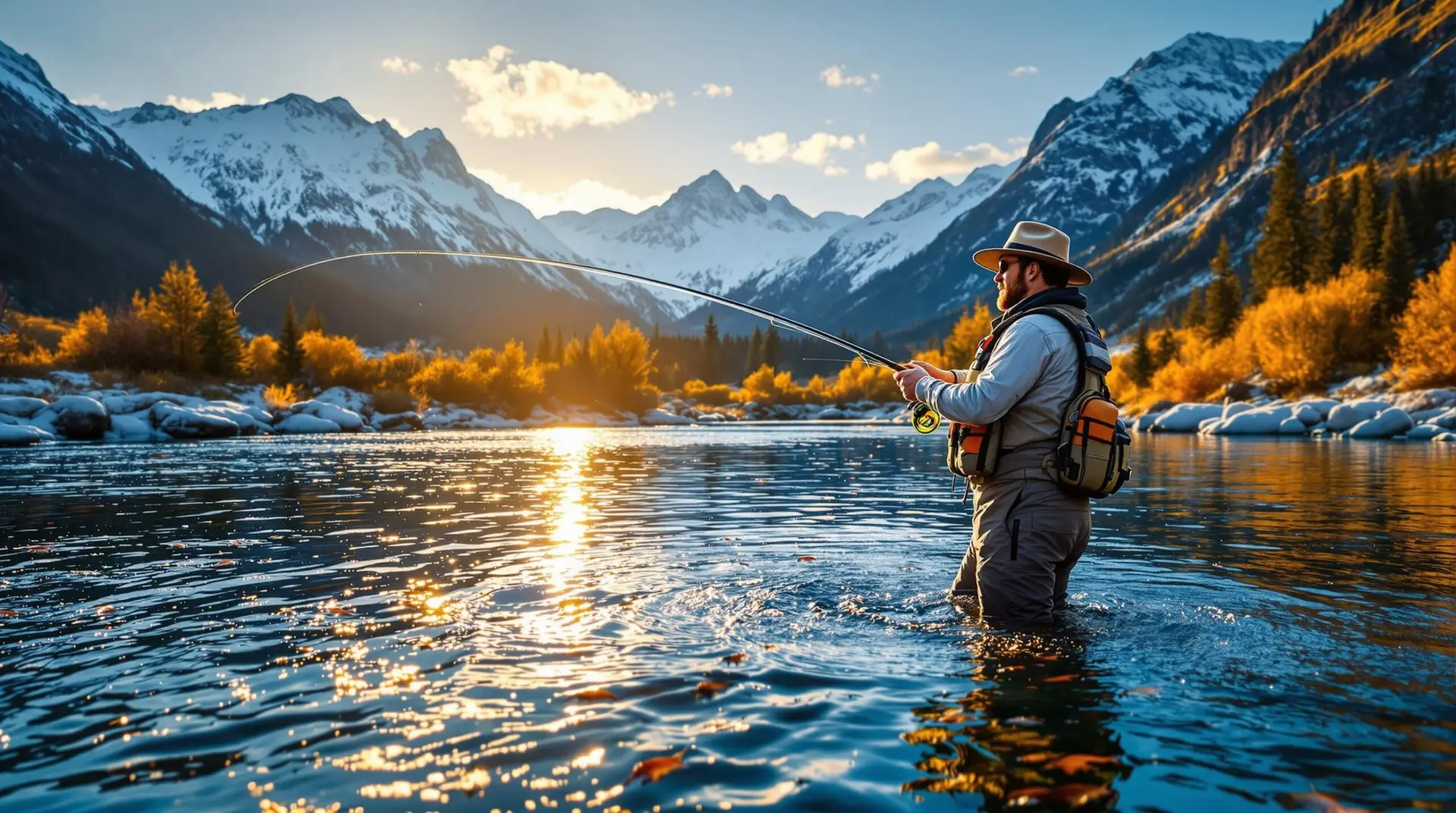
Wyoming’s rivers hold some of North America’s densest trout populations, with the North Platte’s Gray Reef section supporting nearly 5,200 trout per mile—numbers that transform every cast into genuine opportunity. From legendary tailwaters to alpine freestone streams, the state offers diverse angling experiences where presentation and patience meet extraordinary results. This guide reveals Wyoming’s premier fly fishing destinations, from the Bighorn River’s year-round productivity to post-fire regeneration waters offering surprising solitude and success.
Fly fishing in Wyoming is not about chasing distant legends—it is structured pursuit of waters where exceptional trout densities reward those who read the drift and time their presentations to match what’s happening on the surface.
Quick Answer: Fly fishing in Wyoming is best experienced on the Bighorn River (3,000+ trout per mile), North Platte’s Gray Reef section (5,200 trout per mile), and the Wind River system, with tailwaters providing year-round opportunities while alpine streams offer summer solitude and willing fish.
Definition: Fly fishing in Wyoming is the pursuit of trout across diverse water types from dam-controlled tailwaters to high-country freestone streams, where exceptional fish densities reward proper presentation and seasonal awareness.
Key Evidence: According to Drifthook, the Bighorn River supports over 3,000 trout per mile, with average sizes of 14-18 inches.
Context: These exceptional densities result from consistent dam releases creating ideal temperatures and prolific hatches throughout all seasons.
Wyoming’s waters work through three mechanisms: consistent dam releases create year-round tailwater productivity, diverse elevation zones support multiple species, and careful management maintains exceptional fish densities. That combination reduces guesswork and increases the likelihood that proper technique will connect you with quality trout. The benefit comes from understanding which waters match your skill level and seasonal timing.
Key Takeaways
- Bighorn River tailwater produces exceptional fishing year-round with over 3,000 trout per mile, making it Wyoming’s most consistent destination
- Gray Reef section holds Wyoming’s highest trout density at 5,200 fish per mile, though access requires float trips through private land
- Blue Ribbon designations identify premier waters like Upper North Platte and Wind River with 600+ pounds of trout per mile
- Post-fire regeneration in Sheridan-area creeks creates emerging opportunities with enhanced food webs and reduced angler pressure
- Species diversity reaches ten trout species around Sheridan, expanding challenge and satisfaction for adaptable anglers
Wyoming’s Premier Tailwater Fisheries for Fly Fishing
Maybe you’ve wondered what makes certain waters legendary while others remain local secrets. The Bighorn River below Yellowtail Dam represents Wyoming’s most reliable fishing destination, supporting over 3,000 trout per mile with average sizes of 14-18 inches. According to Drifthook research, this tailwater produces exceptional results throughout all seasons, including winter months when midge hatches sustain surface activity while other waters lie frozen.
Gray Reef on the North Platte holds Wyoming’s most impressive trout density at nearly 5,200 fish per mile, though this exceptional fishing comes with access challenges. Most productive water flows through private land, making float trips the practical approach for reaching these trophy opportunities. Research by Orvis confirms these numbers represent some of the highest trout concentrations in North America, where every drift has genuine potential for memorable encounters.
You might find yourself drawn to Fremont Canyon’s different character within the North Platte system, where average fish sizes exceed 18 inches for browns, rainbows, and cutthroat trout. The canyon’s technical water requires careful reading and confident casting to present flies effectively in complex currents, but the trophy potential rewards those who develop the skills these conditions demand.
A common pattern emerges when anglers first experience Wyoming’s tailwaters: the consistent productivity feels almost too good to be true. One guide described watching clients go from skeptical to amazed as they land fish after fish on waters like the Miracle Mile, where trout over 20 inches patrol runs that look ordinary from the bank but hold extraordinary possibilities beneath the surface.
Blue Ribbon Freestone Streams and Alpine Waters
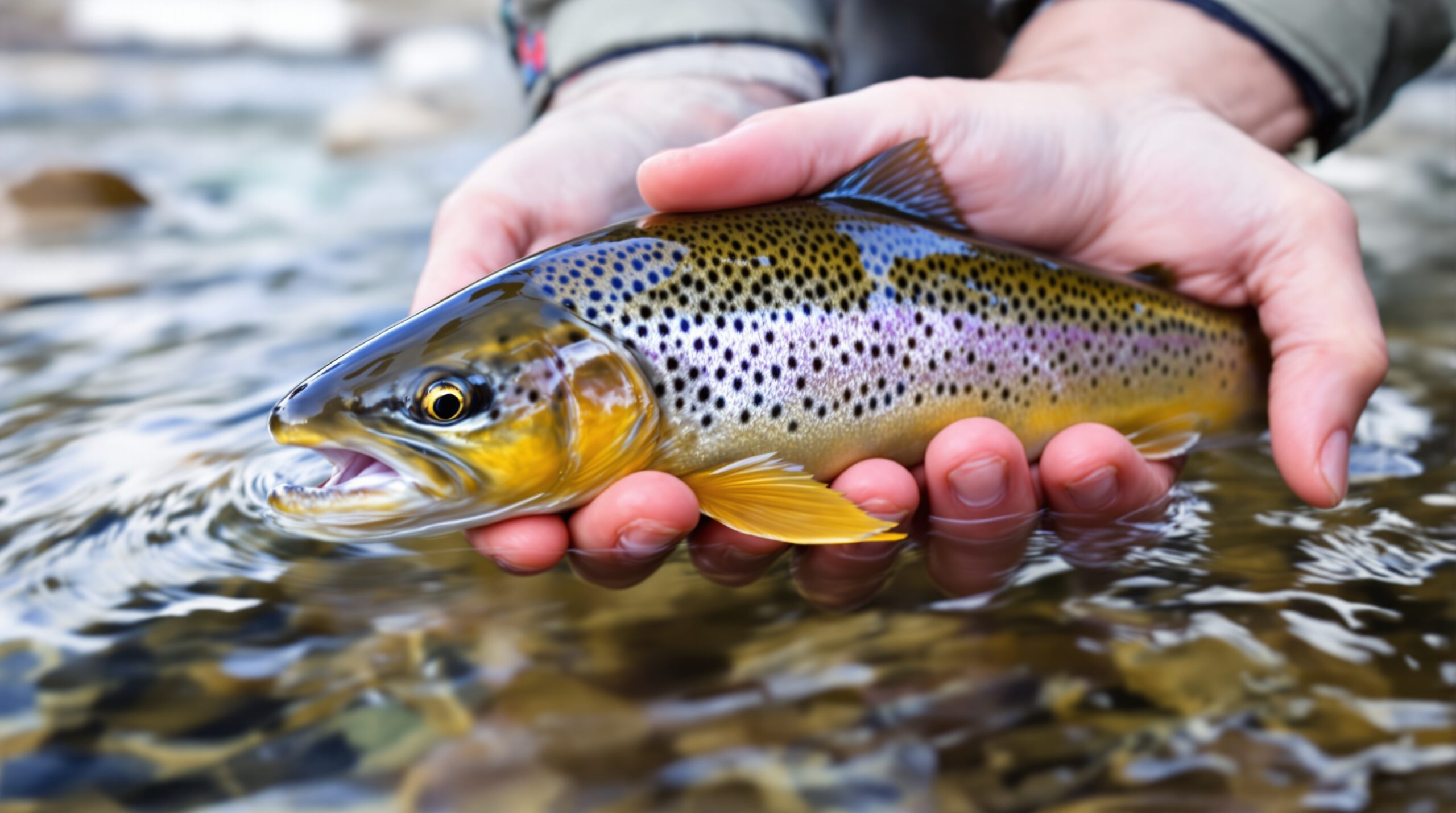
The Wind River system near Dubois holds Blue Ribbon designation for its first 30 miles, where freestone character and exceptional trout densities of 600+ pounds per mile create diverse fishing opportunities. According to Drifthook, the East Fork’s 1.8-mile stretch contains browns, rainbows, and whitefish occupying different habitat niches, requiring anglers to adjust both fly selection and presentation technique as they move between runs.
Yellowstone and Grand Teton National Parks protect native cutthroat populations through strict catch-and-release regulations that have produced measurable recovery. The Snake River cutthroat have made remarkable progress in recent years, rewarding the parks’ careful management approach. Waters like Slough Creek wind through meadows where elk graze and presentation becomes everything—one false cast too many will put down every rise in the pool.
Sheridan has developed into Wyoming’s most diverse angling destination, where visitors can pursue ten different trout species within the surrounding mountains and valleys. Chaz Davis, manager of the Fly Shop of the Bighorns, notes that “Sheridan is unique in that it has ten species of trout, and there are warm-water fish, too.” This diversity expands both challenge and satisfaction for anglers willing to adapt their approach and pattern selection to different species and habitat types.
Post-Fire Regeneration Waters
Following the 2020 Mullen Fire, Sheridan-area creeks show surprising recovery with enhanced productivity that rewards exploration.
- Little Brooklyn Lake and Rock Creek: regenerative populations with improved food webs supporting healthy trout numbers
- Reduced pressure: many anglers still avoid burned areas despite robust fishing opportunities
- Summer wet-wading: size 16 yellow humpies on four-weight rods produce memorable sessions in intimate settings
Practical Strategies for Fly Fishing in Wyoming Success
You’ll discover that successfully fishing Wyoming’s diverse waters requires matching your approach to each destination’s specific character. On the Bighorn River, focus on the prolific midge and blue-winged olive hatches that sustain year-round fishing. Research by Drifthook shows that Parachute Adams in size 14 and Flashback Pheasant Tail in size 18 cover many situations, but carrying a selection of midge patterns in sizes 20-24 proves essential during winter months.
The Wind River’s East Fork demonstrates why comprehensive fly selection matters for success. Patterns including Slumpbuster Olive Cone in size 8 work for probing deeper pockets, alongside dry fly and nymph patterns that work in faster riffles. The 1.8-mile stretch contains varying depths and habitat types, requiring anglers to adjust both fly selection and presentation technique as they move between runs.
For anglers new to Wyoming waters, the South Tongue River near Sheridan provides an ideal introduction to the state’s fishing. The open meadow character allows practicing fundamental skills without the technical demands of boulder gardens or complex currents. As Chaz Davis explains, “It’s open meadows and it’s packed with fish,” making this an accessible destination for those testing whether Wyoming fishing merits return trips with full equipment.
Maybe you’ve heard about Gray Reef’s legendary status but wondered about the logistics. Limited public entry points and extensive private holdings mean most productive fishing happens via float trips with experienced guides. Fish Lodges notes that operations like North Platte Lodge, established in 1998, provide decades of accumulated knowledge about which runs hold the largest fish under specific conditions.
Common Mistakes to Avoid
Wyoming rewards exploration beyond famous waters, but many anglers miss these opportunities through predictable mistakes.
- Overfishing famous runs: spending entire trips on Miracle Mile while ignoring Upper North Platte National Forest access
- Ignoring lesser-known park waters: fixating on Yellowstone’s photographed streams instead of exploring comparable alternatives
- Missing hiking opportunities: staying vehicle-bound instead of exploring walk-in waters with fewer competing anglers
Why Fly Fishing in Wyoming Matters
Wyoming’s combination of exceptional trout densities, diverse water types, and conservation-minded management creates opportunities that span from beginner-friendly meadow streams to technical tailwaters holding trophy fish. The state’s careful balance between access and protection means these waters will reward future generations who approach them with patience, proper presentation, and respect for the resource. Whether pursuing native cutthroat in Yellowstone’s recovering populations or reading complex currents on Gray Reef’s high-density runs, Wyoming fly fishing represents what’s possible when exceptional habitat meets thoughtful stewardship.
Conclusion
Wyoming’s fly fishing destinations range from the Bighorn River’s 3,000+ trout per mile to Sheridan’s ten-species diversity, offering experiences for every skill level and preference. The state’s premier tailwaters provide year-round opportunities where consistent flows and prolific hatches reward patient presentation, while alpine freestone streams and post-fire regeneration waters offer summer solitude with surprising productivity. Success requires matching your approach to each water’s character—studying hatches on technical tailwaters, exploring walk-in streams others overlook, and respecting the conservation practices that sustain these exceptional fisheries for seasons ahead. For those seeking broader Western fishing experiences, consider exploring Montana’s legendary waters as well.
Frequently Asked Questions
What makes Wyoming good for fly fishing?
Wyoming offers exceptional trout densities with waters like the Bighorn River supporting 3,000+ trout per mile and Gray Reef holding 5,200 fish per mile. The state features diverse water types from consistent tailwaters to alpine freestone streams, providing year-round opportunities.
Which river has the most trout in Wyoming?
Gray Reef section of the North Platte River holds Wyoming’s highest trout density at nearly 5,200 fish per mile, making it one of North America’s most concentrated trout fisheries. Access requires float trips through private land for the most productive water.
What is a Blue Ribbon stream in Wyoming?
Blue Ribbon designation identifies Wyoming’s premier fishing waters that support 600+ pounds of trout per mile. Examples include the Wind River’s first 30 miles near Dubois and Upper North Platte sections with exceptional fish populations and habitat quality.
Can you fly fish in Wyoming year-round?
Yes, Wyoming’s tailwaters like the Bighorn River provide excellent year-round fishing due to consistent dam releases maintaining ideal temperatures. Winter midge hatches sustain surface activity when other waters freeze, making tailwaters productive in all seasons.
How many trout species are in Wyoming?
Around Sheridan, Wyoming offers ten different trout species within surrounding mountains and valleys. This diversity includes browns, rainbows, cutthroat, and native species, providing varied challenges for anglers willing to adapt their techniques.
What flies work best for Wyoming trout?
Parachute Adams size 14 and Flashback Pheasant Tail size 18 cover many Wyoming situations. Midge patterns sizes 20-24 prove essential for winter tailwater fishing, while streamers like Slumpbuster Olive Cone size 8 work for deeper pockets on freestone streams.
Sources
- Drifthook – Comprehensive guide to Wyoming fly fishing locations with specific trout population data, recommended fly patterns, and detailed destination descriptions
- Fish Lodges – Overview of premier Wyoming fishing lodges including historical background and services offered
- Orvis – Analysis of top Wyoming rivers with trout density statistics and access information
- Travel Wyoming – Insider perspectives on Sheridan-area fishing including post-fire recovery and beginner-friendly waters
- Wyoming Game and Fish Department – Official state resource for fishing locations and regulations
- Hatch Magazine – Coverage of underrated Western fishing destinations including Pinedale
- YouTube – Fly Fishing Wyoming – Video documentation of Bighorn River year-round fishing opportunities
- Lazy L&B Ranch – Information on Wind River Blue Ribbon designation and fishing opportunities