
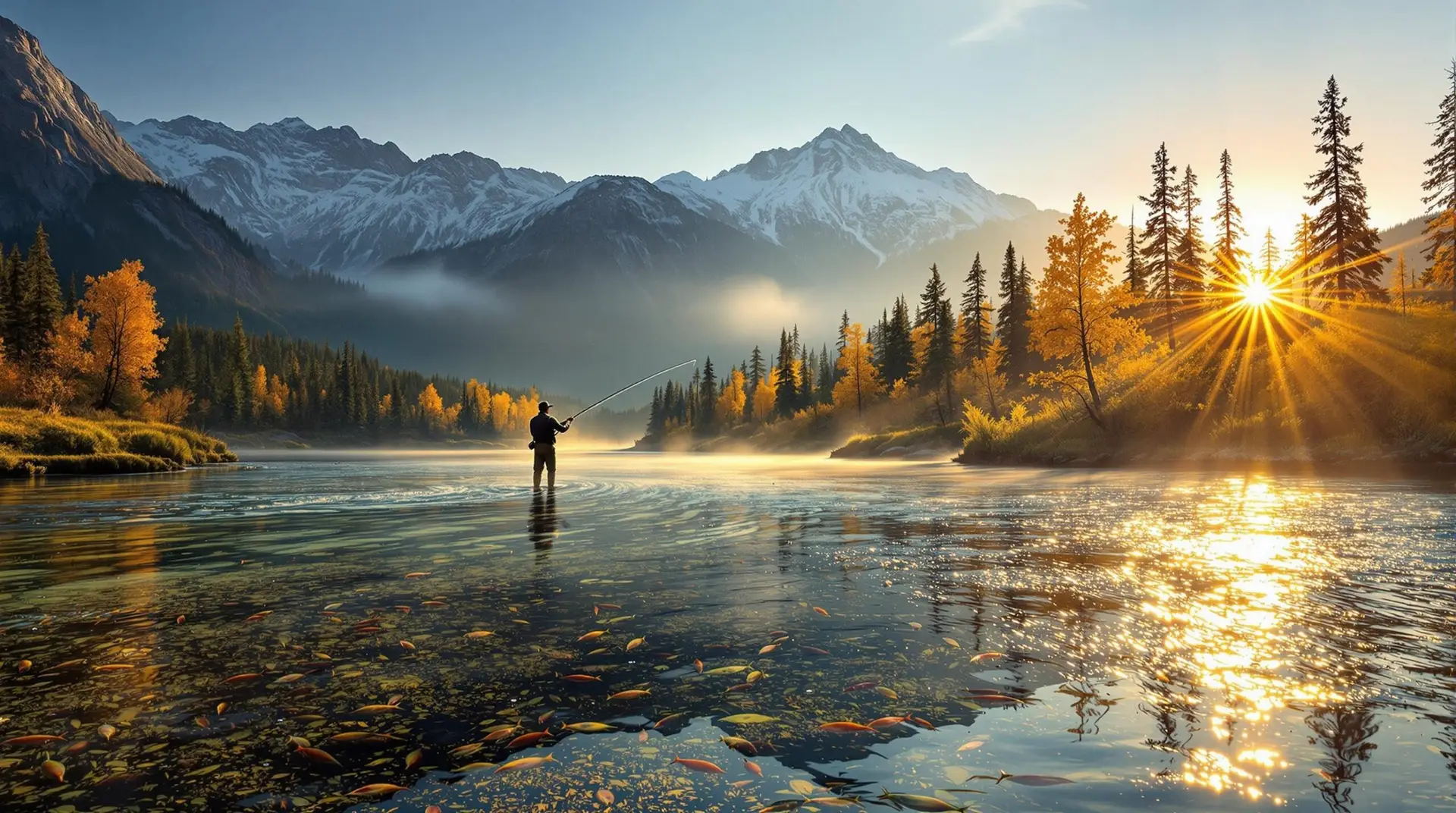
Montana’s rivers hold secrets that reveal themselves only to those who understand the subtle language of moving water. The Missouri River supports over 7,000 trout per mile, making it one of the highest densities in North America, while Rock Creek boasts the state’s most diverse fishery with seven distinct species. These numbers tell only part of the story—the real magic happens when you learn to read the currents, match the hatches, and find that perfect drift where everything aligns.
Fly fishing in Montana is not about conquering water or collecting trophies. It is the art of reading currents, matching hatches, and finding that perfect drift where everything aligns—your cast, the water’s rhythm, and a rising trout’s feeding pattern.
This guide identifies Montana’s premier fly fishing destinations, reveals what makes each unique, and provides tactical insights for maximizing your time on the water.
Quick Answer: The best places to go fly fishing in Montana include the Missouri River (7,000+ trout per mile), Rock Creek (seven species including native cutthroat), the Smith River (60-mile wilderness float), and the Bighorn River (consistent 14-18 inch trout with trophy-class fish regularly caught).
Definition: Fly fishing in Montana is the pursuit of wild trout in pristine watersheds using artificial flies that imitate natural insects, requiring precise presentation and deep understanding of seasonal hatches.
Key Evidence: According to Montana Angler, Montana’s Missouri River tailwater section near Craig supports over 7,000 trout per mile, making it one of the most productive wild trout fisheries in the Northern Rockies.
Context: These waters combine exceptional trout density with varied water types—from technical spring creeks to powerful freestone rivers—offering opportunities for every skill level and presentation style.
Maybe you’ve stood at the edge of a Montana river, watching rises dimple the surface while wondering which fly to tie on. That moment of uncertainty is where the real learning begins. Montana’s geography creates everything from spring-fed tailwaters with consistent flows to freestone rivers that pulse with seasonal runoff, each demanding different approaches to reading water and presenting flies. Success comes from matching your tactics to the specific conditions, whether that means delicate dry fly presentations to selective Missouri River browns or aggressive streamer fishing for Big Hole River rainbows.
Key Takeaways
- Missouri River dominance – Over 7,000 trout per mile make this tailwater among North America’s most productive fisheries
- Rock Creek diversity – Seven species including westslope cutthroat, rainbow, brown, brook, bull trout, and whitefish in Montana’s highest-surveyed fish counts
- Smith River wilderness – 60-mile protected canyon with limited permits ensures low-pressure backcountry fishing
- Bighorn River consistency – Trophy-sized trout of 14-18 inches caught regularly in this tailwater below Yellowtail Dam
- Seasonal timing matters – Late June through mid-July provides optimal weather, stable flows, and peak hatch activity across Montana’s freestone streams
Premier Tailwaters for Fly Fishing in Montana
You might think high trout density means easy fishing, but the Missouri River near Craig teaches a different lesson. This extraordinary fishery supports over 7,000 trout per mile precisely because the water challenges every aspect of presentation. Research by Montana Angler shows these trout have seen every fly pattern multiple times, making them selective about presentation rather than pattern choice. Every water type for trophy trout exists here—from technical spring creek sections to powerful runs demanding precise mends.
Below Yellowtail Dam, the Bighorn produces trout commonly ranging 14-18 inches, with trophy-sized fish caught regularly. Stable water temperatures and prolific hatches create ideal growing conditions, rewarding anglers who master nymph tactics and dry fly precision. According to Grizzly Hackle, local shops like Big Horn Angler in Fort Smith provide essential shuttle arrangements and current conditions intelligence. The consistent flows mean you can fish year-round, though summer brings the most reliable dry fly action.
The smaller Ruby River tailwater offers quality over quantity, with brown trout populations where 14-18 inch fish are common and 20-inch-plus fish occur occasionally. Anglers seeking fewer crowds find technical dry fly opportunities during evening caddis emergences, combining intimate water with trophy-class browns that rise eagerly to proper presentations. One common pattern looks like this: you’ll work a single pool for an hour, watching for the subtle rise forms that indicate feeding fish, then make three perfect casts to hook the brown you’ve been studying.
Wilderness and Freestone Gems
The Smith River float trip spans 60 miles of protected wilderness, strictly managed by Montana Fish, Wildlife & Parks with limited permits to control access. This careful stewardship preserves the backcountry experience, ensuring minimal pressure and the serenity that defines Montana’s finest waters. Rainbows and browns exceeding 20 inches respond to dry flies matched to salmonfly, pale morning dun, and caddis hatches depending on timing. You’ll find yourself camping along pristine banks, waking to mist rising off pools that hold trout undisturbed by crowds.
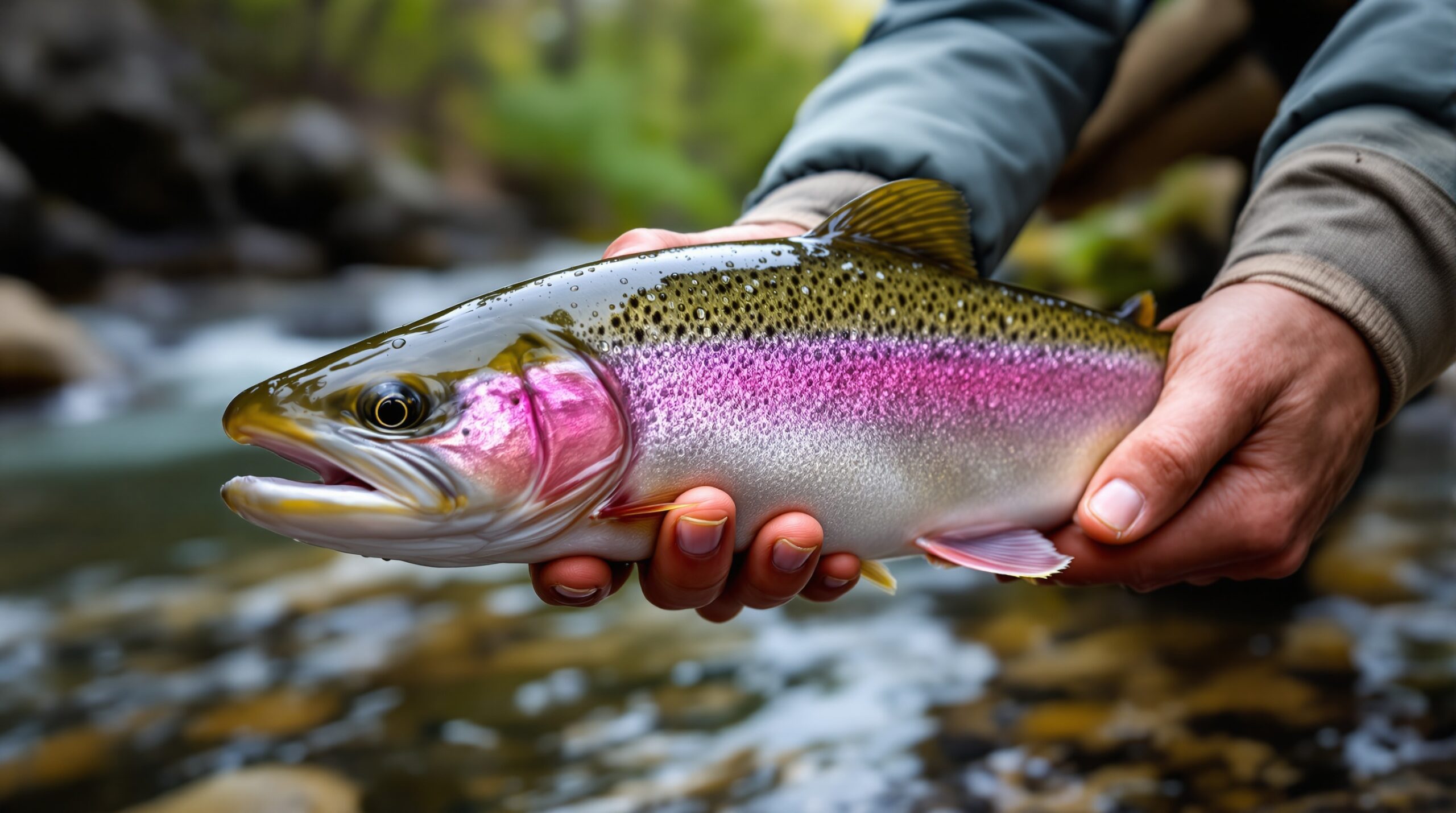
Rock Creek boasts Montana’s highest fish counts among surveyed waters and supports seven species: westslope cutthroat, rainbow, cut-bow, brown, brook, bull, and Rocky Mountain whitefish. Research from The Ranch at Rock Creek shows the legendary salmonfly hatch from late May through early June draws anglers to witness massive stoneflies emerging along miles of productive water. Private access through guided operations allows wade and float trips during peak periods, with twice-daily sessions maximizing encounters with this remarkable biodiversity.
The Big Hole River maintains spectacular dry fly fishing during morning spinner falls and evening caddis activity, with salmonfly hatches in June attracting anglers nationwide. The Clark Fork provides pods of 30-plus rising fish during pale morning dun, hopper, and mahogany dun hatches, with back eddies and seams offering all-day action for those who match patterns appropriately. Both rivers reward anglers who study the water before casting, identifying the subtle current breaks where trout position themselves to intercept drifting insects.
Timing Your Montana Trip
Late June through mid-July provides the most consistent weather, stable water conditions, and hatch activity across Montana’s freestone streams.
- Late May-June: Salmonfly emergence on Rock Creek and Big Hole
- June-July: Pale morning duns and caddis across most waters
- August: Terrestrial patterns including hoppers dominate
Tactical Approaches for Montana Waters
On the Clark Fork, spend time observing back eddies and seams before casting. When you spot pods of 30-plus rising trout during peak hatches, identify natural insects on the water, then match size, silhouette, and color. Achieve drag-free drifts through proper mending and positioning that minimizes line on water. This patient approach produces all-day action during pale morning dun, hopper, or mahogany dun emergences. You might notice how trout in different parts of the same pool respond to different patterns—the fish feeding in faster water often take larger flies than those sipping in the quiet backeddies.
Bighorn River success requires refined nymphing skills to reach trout in complex currents. Use indicators positioned for natural drifts at proper depths. During hatches, switch to dry flies or emerger patterns, focusing on feeding lanes rather than casting blindly. Visit local fly shops for current conditions and effective patterns that match recent emergence activity. The Bighorn’s productivity can be overwhelming—you’ll see so many rising fish that choosing where to cast becomes the challenge.
Smith River floats demand permit acquisition through Montana Fish, Wildlife & Parks well in advance. Focus on presenting dry flies matched to seasonal hatches—salmonfly, pale morning dun, blue-winged olive, and caddis depending on timing. Camp strategically to fish prime water during optimal light, carrying streamers for targeting structure holding trophy fish. According to experienced guides, the wilderness setting changes how you approach each cast—there’s no hurry, no pressure from other anglers, just you and the rhythm of the river.
Anglers frequently overlook seasonal hatch timing and regional variations, cast too quickly rather than reading water for structure, and fail to secure necessary permits for limited-access waters. Prioritize observation before action—study current seams, depth changes, and structure before presenting flies. The complete Montana fly fishing guide provides additional insights into reading these complex waters.
Essential Gear Considerations
Match rod weight to target species and water type—5-6 weight for most Montana applications, with heavier rods for streamer fishing trophy browns.
- Dry flies: Pale morning duns, caddis, hoppers, mahogany duns
- Nymphs: Stonefly patterns, mayfly emergers
- Streamers: Weighted patterns for fall brown trout
Why Fly Fishing in Montana Matters
Montana’s combination of wild beauty, abundant hatches, and patient pursuit of rising fish represents fly fishing at its finest. From the Missouri’s extraordinary trout density to Rock Creek’s seven-species diversity, these waters reward those who approach with proper presentation and respect for the craft. Whether targeting technical tailwater trout or wilderness browns, Montana offers experiences that connect anglers to something larger than individual fish caught. The state’s rivers teach patience, observation, and the deep satisfaction that comes from matching your skills against selective wild trout in their pristine habitat.
Conclusion
The best places to go fly fishing in Montana span from the Missouri River’s 7,000+ trout per mile to Rock Creek’s seven-species diversity and the Smith River’s wilderness exclusivity. Success requires understanding seasonal timing—particularly the late June through mid-July window—matching techniques to specific water types, and prioritizing observation before casting. Whether you’re refining nymph tactics on the Bighorn, targeting rising pods during Clark Fork hatches, or pursuing trophy browns on wilderness floats, Montana’s legendary waters reward patience, proper presentation, and respect for wild trout populations that define these exceptional fisheries. For additional wilderness opportunities, consider exploring the best fly fishing destinations in Wyoming or the specific techniques for Yellowstone’s unique waters.
Frequently Asked Questions
What makes Montana fly fishing special?
Montana offers exceptional trout density (Missouri River has 7,000+ trout per mile), diverse species (Rock Creek supports seven species), and pristine wilderness waters like the Smith River’s 60-mile protected canyon with limited permits.
When is the best time for fly fishing in Montana?
Late June through mid-July provides optimal conditions with stable weather, consistent flows, and peak hatch activity. May-June brings salmonfly emergences on Rock Creek and Big Hole, while August offers excellent terrestrial fishing.
What are the top fly fishing rivers in Montana?
The Missouri River (7,000+ trout per mile), Rock Creek (seven species including native cutthroat), Smith River (wilderness float), and Bighorn River (consistent 14-18 inch trout) represent Montana’s premier destinations.
What is the difference between tailwater and freestone rivers in Montana?
Tailwaters like the Missouri and Bighorn have consistent flows and temperatures from dam releases, supporting higher trout densities. Freestone rivers like Rock Creek and Big Hole fluctuate with seasonal runoff and rainfall.
How do you get permits for Smith River fly fishing?
Smith River float permits are managed by Montana Fish, Wildlife & Parks with strict limits to preserve the wilderness experience. Advanced booking is essential due to limited access controlling angler pressure.
What fly patterns work best in Montana waters?
Essential patterns include pale morning duns, caddis, hoppers, and mahogany duns for dry flies; stonefly patterns and mayfly emergers for nymphs; plus weighted streamers for targeting trophy browns in fall.
Sources
- Grizzly Hackle – Comprehensive guide to Montana’s top fly fishing rivers including Clark Fork, Big Hole, Smith, Bighorn, and Ruby, with details on species, techniques, and seasonal patterns
- The Ranch at Rock Creek – Information on Rock Creek’s exceptional multi-species fishery, salmonfly hatch timing, and guided private access fishing opportunities
- Montana Angler – Analysis of Missouri River trout density, Smith River wilderness protection, and rankings of Montana’s premier fishing destinations
- Fly Fishing Bozeman – Guide to fishing opportunities surrounding Bozeman including Gallatin, Madison, and East Gallatin rivers
- Helena Montana – Overview of Helena as a strategic base for accessing Blackfoot and Missouri River fisheries