

After his waist pack soaked in waist-deep water, one experienced angler switched back to his fly fishing vest and discovered he could wade “a foot deeper without risking gear submersion”—yet still found himself overheating on warm days. Many anglers blame their vest for discomfort, restricted casting motion, and shortened sessions without recognizing the specific design flaws and overpacking habits creating these problems. A fly fishing vest is not inherently outdated gear. It is a strategic tool that excels in deeper water when properly selected and organized for your specific fishing conditions.
Quick Answer: A fly fishing vest holds you back when poor material choices trap heat, excessive pockets encourage overpacking that restricts casting motion, and improper fit limits shoulder rotation—though vests excel for deeper wading by keeping gear a foot higher than waist packs.
Definition: A fly fishing vest is a multi-pocket garment worn over the torso that organizes flies, tools, and accessories at chest height for quick access while wading.
Key Evidence: According to Public Lands, industry experts recommend vests with “no more than 20 pockets” to avoid discomfort during extended sessions.
Context: The vest itself isn’t the problem—design compromises and user mistakes create the limitations anglers experience on the water.
Understanding how vests hold you back—and how to fix these issues—transforms them from burdens into purposeful tools for confident water reading. When you wade into productive runs, that extra foot of depth can mean the difference between reaching feeding fish and watching rises from shore. The sections that follow examine the specific design flaws sabotaging vest performance, how improper fit restricts your casting motion, and how to match vest selection to actual water conditions.
Key Takeaways
- Wading depth advantage: Vests allow fishing a foot deeper than waist packs without soaking gear
- Over-pocketing creates discomfort: More than 20 pockets distributes weight unevenly and restricts natural casting motion
- Material selection matters: Mesh provides breathability but lower durability; avoid cotton and canvas that absorb water
- Fit problems compromise casting: Vests must be snug without restricting shoulder rotation required for accurate presentations
- Small pockets limit options: Traditional designs can’t accommodate larger fly boxes, forcing pattern reorganization
The Three Design Flaws Sabotaging Your Fly Fishing Vest Performance
Maybe you’ve noticed how your vest feels like a furnace on July afternoons when terrestrial patterns are working best. Material problems create thermal discomfort that shortens your time on the water. Mesh vests provide superior breathability for hot weather conditions but present lower durability and snag risk compared to polyester and nylon, while cotton and canvas absorb water and dry slowly. Non-breathable fabrics trap body heat against your torso during summer sessions, leading to heat exhaustion that cuts short productive fishing.
Over-pocketing encourages weight problems that affect your casting form in ways you might not realize until your shoulder starts aching. Research by Public Lands gear experts shows vests with more than 20 pockets tempt anglers to carry redundant gear—multiple fly boxes with similar patterns, backup tools duplicating primary implements, and accessories addressing hypothetical scenarios. This excess weight distributes unevenly across shoulders, creating pressure points that distract from natural drift and reading subtle rises.
Poor construction undermines reliability precisely when you need to focus on the hatch. Saltwater anglers report vests with poor fabric thread count, failing zippers, and velcro closures requiring excessive force. Manufacturing shortcuts in seam construction and closure systems force you to wrestle with gear rather than focus on matching emerging insects during complex presentations.
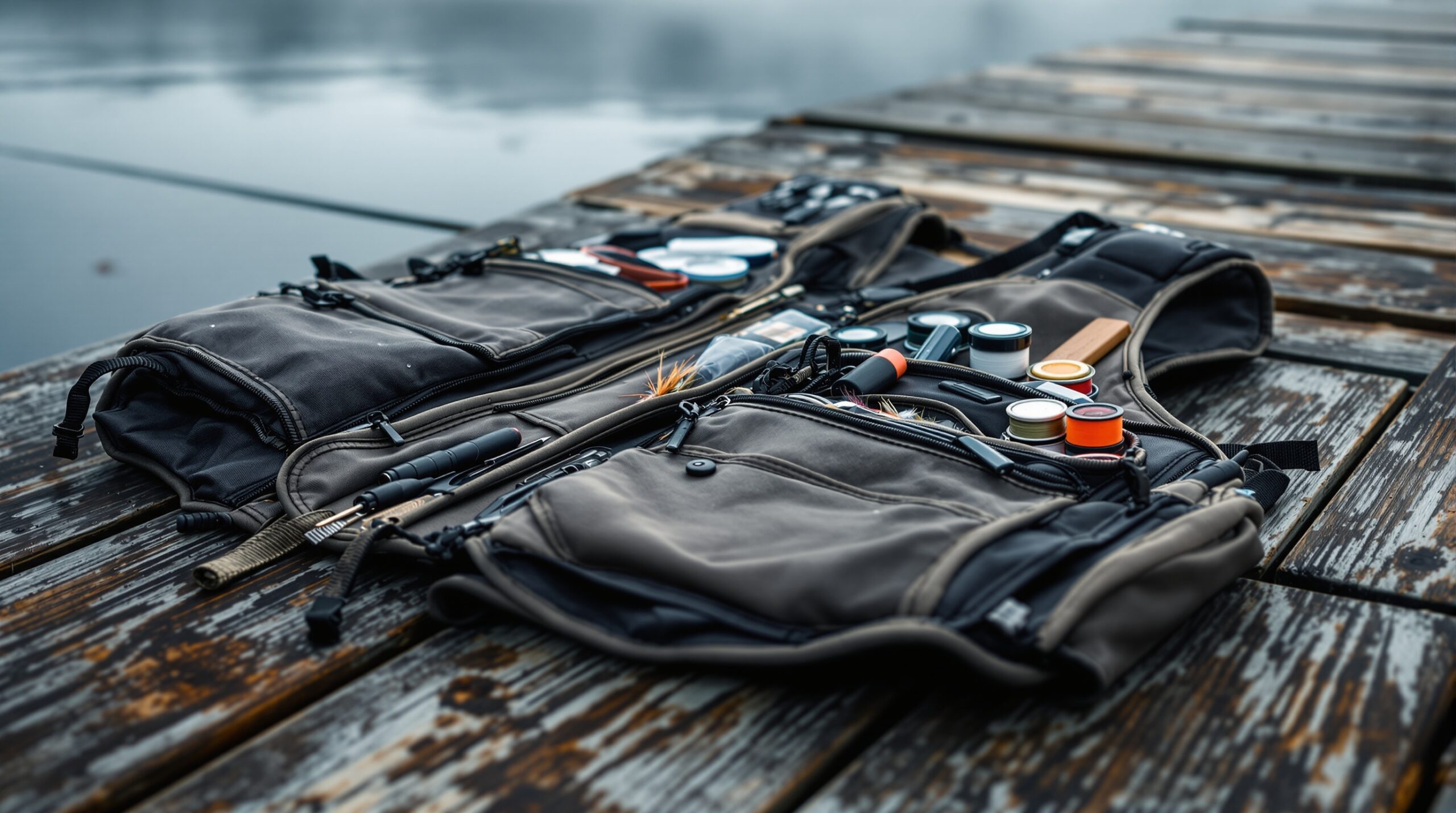
Small Pocket Dimensions Force Compromises
Traditional fly fishing vests feature small pockets limiting larger fly boxes, forcing anglers to reorganize collections or leave patterns behind.
- Pattern selection restricted: Can’t access diverse fly assortments during complex hatches requiring specific life stage matches
- Forced reorganization: Must split collections into multiple smaller containers that slow pattern selection during critical moments
- Accessibility problems: Fumbling through undersized compartments while standing in current
How Improper Fit and Overpacking Restrict Your Casting Motion
You might discover your casting feels forced or restricted without connecting it to vest fit problems. Fit directly impacts casting mechanics in ways that affect presentation quality. According to USSURIS comfort experts, vests must fit snug without restricting movement to support hours-long sessions. Improper sizing interferes with the fluid shoulder rotation and arm extension required for accurate presentations, particularly when layering over waders and jackets during cool-weather hatches.
A common pattern looks like this: you start the day feeling fine, but after two hours of casting, your shoulders ache and your loops tighten up. Common overpacking mistakes add crushing weight that affects balance and casting rhythm. Anglers frequently carry multiple fly boxes holding redundant patterns, backup tools duplicating primary implements, and accessories addressing hypothetical rather than probable scenarios. This weight creates shoulder pressure that restricts natural motion required for smooth casts and drift management.
Layering considerations matter year-round for maintaining casting form. Vests sized only for lightweight summer shirts become restrictive when worn over fleece or light jackets during spring and fall fishing. The resulting tightness across the chest and shoulders compromises casting form precisely when targeting selective trout during complex hatches that require delicate presentations.
Weight distribution affects wading safety beyond comfort. Unevenly loaded pockets shift your center of gravity during scrambles over streamside boulders, creating balance problems that increase fall risk in slippery conditions where a tumble could end your day on the water.
The Hydration Gap in Traditional Designs
Conventional large vests lack back slots for water bladders, limiting options for staying hydrated during all-day sessions on remote waters.
- Summer low-water limitations: Must cover extensive river miles to locate holding fish without adequate hydration capacity
- No integrated solutions: Traditional designs force choosing between organized gear access and proper hydration
- Retrofit challenges: Adding water bottles to side pockets creates additional weight and bulk
Matching Your Fly Fishing Vest to Actual Water Conditions
Consider how often you’ve watched other anglers fishing deeper runs while you stayed in the shallows because of gear limitations. Vests excel over alternatives when deeper wading opens access to productive water. According to Trout Unlimited’s Mark Taylor, vests allow wading a foot deeper without risking gear submersion after waist pack failures. This advantage matters when reading water reveals holding lies in waist-deep current—that extra foot of safe wading depth makes the difference between reaching feeding fish and watching rises from shore during evening hatches.
Material selection matched to fishing conditions prevents the thermal problems that drive anglers away from vests. Deploy mesh construction during summer months to prioritize breathability over maximum durability, accepting some snag risk in exchange for thermal comfort when air temperatures climb. Choose polyester and nylon blends for durability across seasons when fishing brushy streams or during cooler weather requiring extended sessions where proper wader selection also matters.
Intentional pocket organization prevents overpacking while maintaining quick access during rises. The key is being honest about what you actually use versus what you think you might need. Reorganize fly collections into smaller boxes specifically sized for vest pockets, eliminating forced fits while maintaining organized access during rises when seconds matter. Limit pocket count to 15-20 for all-day expeditions covering extensive water, or 10-12 for evening hatches near vehicle access points where you can resupply easily.
Strategic waterproof accessories provide protection without thermal penalties. Pair vests with waterproof fly boxes for protection during occasional submersion without requiring fully waterproof vest construction that traps heat and reduces breathability during active fishing. This approach works well with complementary storage systems for extended trips.
Why Fly Fishing Vest Selection Matters
Understanding vest limitations and matching design to actual fishing conditions transforms how confidently you read water and present flies. The difference between a properly fitted, appropriately packed vest and a poorly chosen alternative determines whether you can access productive runs, maintain casting form during extended sessions, and stay comfortable enough to focus on natural drift rather than gear discomfort. Your vest should enable fishing, not limit it.
Conclusion
Your fly fishing vest holds you back when design flaws, material choices, and overpacking habits create thermal discomfort, restricted motion, and weight distribution problems—not because vests are inherently outdated. The solution lies in matching vest design to specific fishing conditions: choosing breathable materials for warm weather, limiting pockets to prevent overpacking, ensuring proper fit for layering, and recognizing when that extra foot of wading depth matters more than minimalist aesthetics. Assess your typical fishing scenarios honestly, then select and organize your vest to enable confident water reading rather than create avoidable limitations that keep you from the focus only perfect presentations can deliver.
Frequently Asked Questions
What is a fly fishing vest?
A fly fishing vest is a multi-pocket garment worn over the torso that organizes flies, tools, and accessories at chest height for quick access while wading.
Why do fly fishing vests hold anglers back?
Vests hold you back when poor material choices trap heat, excessive pockets encourage overpacking that restricts casting motion, and improper fit limits shoulder rotation.
How many pockets should a fly fishing vest have?
Industry experts recommend vests with no more than 20 pockets to avoid discomfort during extended sessions and prevent overpacking that affects casting form.
What materials work best for fly fishing vests?
Mesh provides superior breathability for hot weather but lower durability. Polyester and nylon blends offer durability across seasons. Avoid cotton and canvas that absorb water.
Do fly fishing vests allow deeper wading than waist packs?
Yes, vests allow wading a foot deeper than waist packs without risking gear submersion, making the difference between reaching feeding fish and watching from shore.
How should a fly fishing vest fit for proper casting?
Vests must fit snug without restricting shoulder rotation and arm extension required for accurate presentations, especially when layering over waders and jackets.
Sources
- Trout Unlimited – Personal experience and practical analysis of vest advantages for deeper wading and trade-offs with thermal comfort
- Public Lands – Comprehensive buying guide covering pocket counts, material selection, and design considerations for different fishing conditions
- USSURIS – Focus on fit and comfort requirements for extended on-water sessions
- FlyLife Magazine – Critical perspective on manufacturing quality and durability concerns from saltwater fishing applications
- Itinerant Angler Forum – Community discussion on hydration system integration gaps in traditional vest designs