
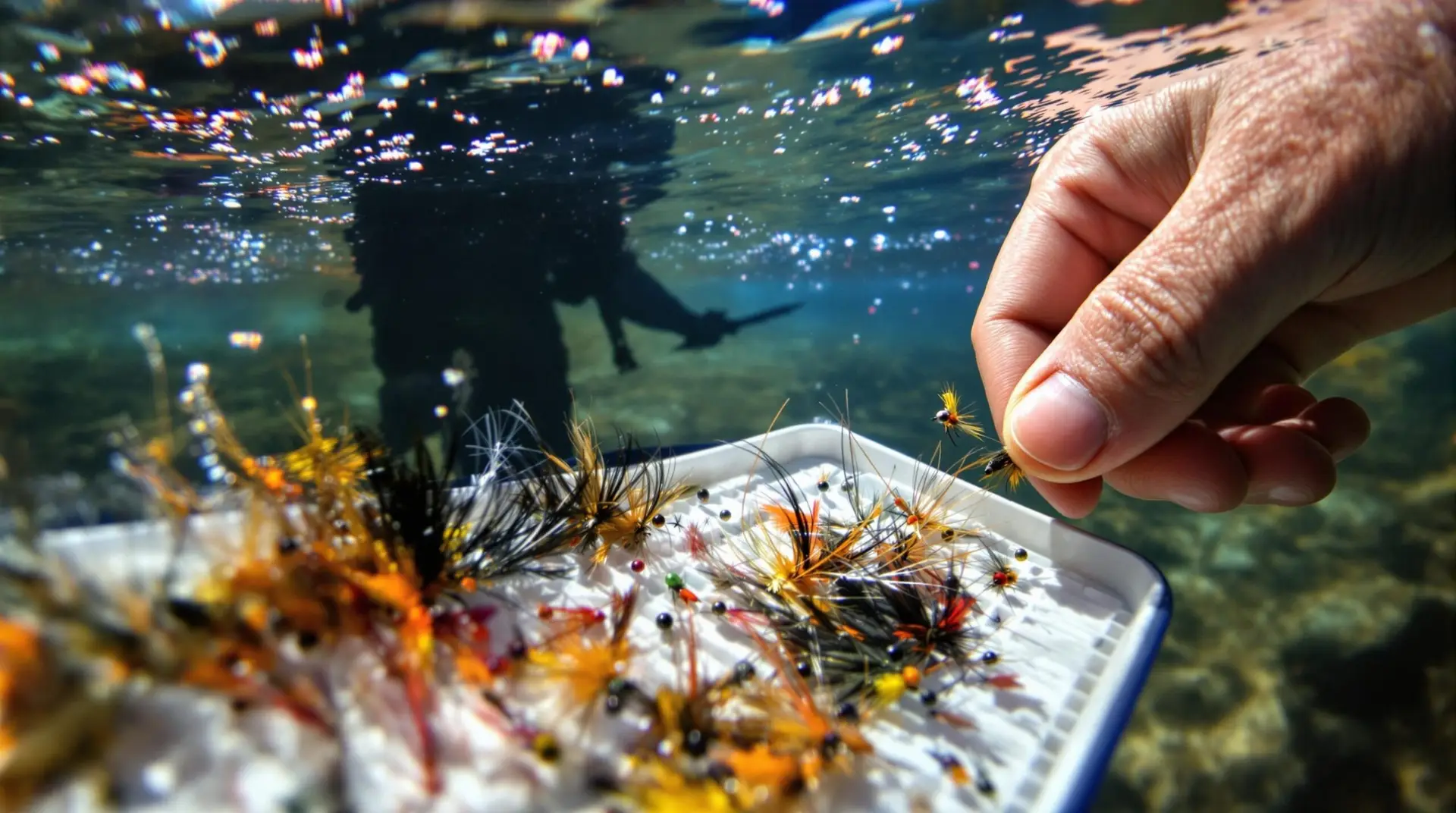
Most anglers carry dozens of nymph patterns yet struggle with consistent success, while experts achieve better results with just 11-17 carefully selected flies. The difference isn’t about finding the perfect pattern—it’s about understanding how to choose strategically. Nymph pattern selection is not random fly switching—it is structured decision-making based on water conditions and insect activity. Success depends less on extensive collections than on understanding three core pattern types and mastering presentation with familiar designs.
Quick Answer: Effective nymph pattern selection prioritizes three functional categories—impressionistic patterns for versatility, imitation nymphs for active hatches, and attractor patterns for high water—with size matching taking precedence over color in the selection process.
Definition: Nymph pattern selection is a strategic process that chooses artificial flies representing immature aquatic insects based on functional categories, water conditions, and size-shape-color matching principles.
Key Evidence: According to To Fly Fish experts, successful anglers recommend limiting selections to 11-17 confidence nymphs rather than extensive collections, as “presentation is king, and limiting our patterns as much as possible is probably a better approach.”
Context: This strategic minimalism allows anglers to master drift and depth control with familiar patterns rather than cycling through dozens of flies with mediocre presentation skills.
Maybe you’ve stood streamside switching between six different nymphs in twenty minutes, wondering why nothing works. That frustration often stems from random selection rather than strategic thinking. Nymph pattern selection works through three mechanisms: it matches fly function to fishing conditions, prioritizes size over superficial characteristics, and builds confidence through repetition with proven designs. When you understand which pattern type addresses specific scenarios, you shift from guesswork to deliberate tactical choices.
Key Takeaways
- Three pattern categories—impressionistic, imitation, and attractor—address different water conditions more effectively than random selection
- Size-first formula (size, then shape, then color) eliminates guesswork in matching natural trout food sources
- Presentation mastery with 11-17 patterns outperforms superficial knowledge of extensive collections
- Impressionistic nymphs prove most versatile because “a full-blown hatch is often the exception”
- Confidence-based minimalism reflects accumulated wisdom that deep familiarity with fewer patterns consistently produces better results
The Three-Category Framework for Nymph Pattern Selection
You might notice that your most productive days happen when you stick with familiar patterns rather than experimenting with new flies. Strategic nymph pattern selection begins with understanding three functional categories that address distinct fishing scenarios rather than attempting to match every insect species. This framework transforms your approach from collecting flies to deploying tools.
Impressionistic patterns represent multiple prey types simultaneously through general size, shape, and movement characteristics. Designs like Hare’s Ear variants and WD-40s suggest emerging insects or drifting prey including midges, mayflies, sowbugs, and scuds without precise anatomical mimicry. According to To Fly Fish research, these patterns excel during between-hatch periods, simultaneous emergences, and when searching unfamiliar water because they address the reality that trout often feed opportunistically rather than selectively.
Imitation nymphs provide specific matches during active hatches when trout exhibit selectivity in high-density fisheries. Patterns like Juju Baetis during Baetis emergences or specialized PMD nymphs address focused feeding on single insect species. Modern anglers typically pair these precise matches with impressionistic or attractor droppers to cover both actively hatching insects and opportunistic feeding—a hedge against the unpredictability of even selective fish.
Attractor patterns serve high or off-colored water, spawning periods, and prospecting aggressive fish in pocket water and bank structures. Contemporary uses extend beyond traditional high-water applications to include Euro nymphing with jig-hook designs like Mop Flies for maintaining bottom contact and providing high visibility in varied conditions. These patterns work when subtlety fails and fish respond to movement, flash, or unusual profiles.
Matching Pattern Type to Conditions
Deploy pattern categories based on hatch activity and water clarity rather than random selection.
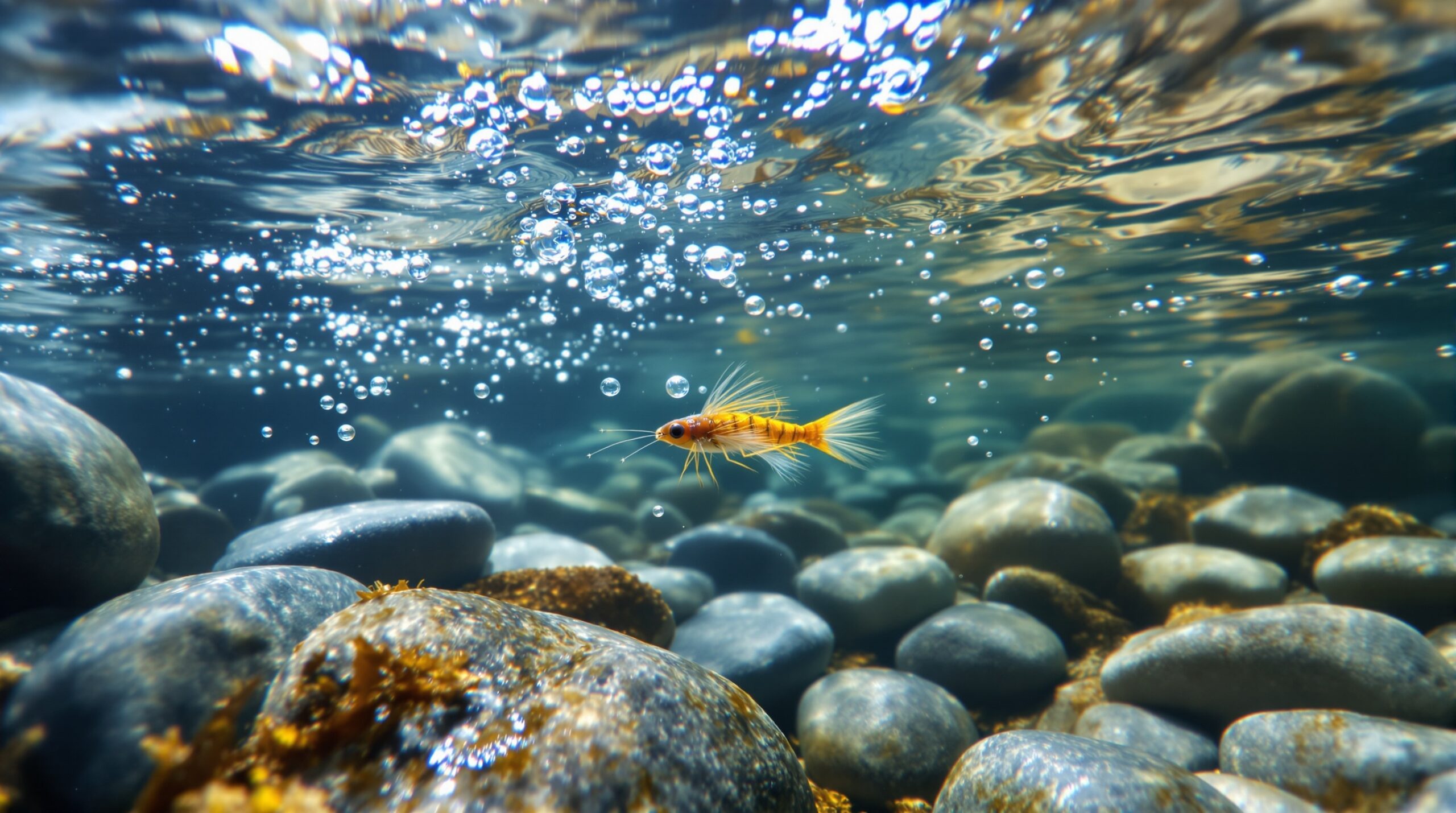
- Active single hatches: Use imitation nymphs when trout feed selectively on one emerging species
- Between-hatch periods: Switch to impressionistic patterns that suggest multiple food sources
- Multiple simultaneous hatches: Impressionistic designs cover overlapping emergences more effectively than switching between specific imitations
The Size-Shape-Color Selection Formula
One common pattern that shows up often looks like this: an angler spends ten minutes choosing the perfect color variation while ignoring whether the fly matches the size of naturals drifting past. The “Right Fly Formula” provides a repeatable sequence that prioritizes the most important matching elements while eliminating common selection mistakes. This hierarchy prevents the trap of focusing on attractive but secondary characteristics while missing what trout actually notice first.
Size matching comes first. Sample or observe to determine prevalent natural insect sizes, then choose nymphs matching this primary characteristic. Trout key on size more than any other factor, making a correctly sized pattern with approximate shape more effective than a perfectly colored fly in the wrong size. Research from Ventures Fly Co. analysis demonstrates this principle applies across all three pattern categories—impressionistic, imitation, and attractor designs all require appropriate sizing to match available food sources.
Shape follows size. After matching dimensions, consider body profile—slender designs for mayflies and midges, bulkier patterns for caddis and stoneflies. The Pheasant Tail’s “ultra slim profile fished in or just under the surface… is perfect for nymphing in inches of water” when targeting selective trout, while rubber-legged Hare’s Ears provide the bulkier silhouette for freestone pocket water. This shape consideration becomes especially important in pressured waters where trout have learned to distinguish between natural and artificial profiles.
Color matters least. Only after matching size and shape should you refine color selection, which typically proves less important than anglers assume except in extremely clear, pressured conditions. This sequenced approach prevents the common mistake of overemphasizing color variations while neglecting more decisive size matching that determines whether trout recognize the pattern as food.
Common Selection Mistakes
Anglers frequently prioritize the wrong elements in nymph pattern selection, leading to frustration on the water.
- Color obsession: Carrying multiple color variations while neglecting size matching and presentation refinement
- Pattern proliferation: Accumulating dozens of flies without mastering depth control and drift management with core designs
- Random switching: Changing flies before perfecting presentation—refine cast angle, mending, and weight distribution first
Building Your Confidence Collection
Contemporary expert approaches recommend carrying 11-17 confidence nymphs in limited color variations rather than extensive pattern collections. This minimalist philosophy reflects accumulated wisdom that deep familiarity with fewer patterns—knowing exactly how each drifts, sinks, and appears at varying depths—outperforms superficial knowledge of extensive collections. According to Troutbitten experts, this approach forces mastery over accumulation.
Organize functionally, not by species. Structure your fly box into impressionistic, imitation, and attractor sections with coverage across size ranges #12-#20 in each category. This functional organization allows rapid condition-based selection on the water without sorting through dozens of similar-appearing patterns. You’ll spend more time fishing and less time rummaging through flies that look identical in poor light.
Adapt classics across applications. Fish Pheasant Tails unweighted in shallow water for selective fish, add weight for deeper runs, or tie emerger versions for surface film fishing. Use Hare’s Ears under indicators for overlapping caddis and PMD hatches, along banks, and in pocket water where their impressionistic profile covers multiple food sources simultaneously. This tactical flexibility with familiar patterns eliminates the need for specialized designs for every scenario—and builds the kind of intimate knowledge that leads to consistent success.
Match patterns to water characteristics. Pressured spring creeks and tailwaters require smaller, more subtle presentations—#18-#22 patterns with minimal flash fished with delicate tippets. Freestone rivers and high-gradient streams permit larger, heavier patterns with attractor elements that remain visible in broken water and generate reaction strikes from less-selective fish. The same Hare’s Ear that works in #14 for pocket water might need to be fished in #18 for spring creek success.
For deeper exploration of how these patterns connect to natural insect life cycles, see our comprehensive stream entomology guide. Understanding what trout eat naturally makes pattern selection feel less mysterious and more logical.
When you encounter specific hatch situations that require precise matching, our advanced hatch matching techniques will help you identify exactly which imitation patterns to deploy. And for those interested in tying their own patterns, our guide to match-the-hatch materials covers the specific components that make nymphs effective across different water types.
Why Nymph Pattern Selection Matters
Strategic nymph pattern selection transforms time on the water from guesswork into deliberate, productive fishing. The three-category framework combined with the size-shape-color formula provides a repeatable decision process that addresses varied conditions without requiring extensive collections. As fishing pressure increases on popular waters and trout become more selective, the ability to choose appropriate patterns quickly and present them perfectly determines success more than carrying comprehensive fly inventories. That skill separates consistent anglers from those who rely on luck and endless fly changes.
Conclusion
Effective nymph pattern selection prioritizes functional categories and presentation mastery over pattern accumulation. The impressionistic-imitation-attractor framework addresses different fishing scenarios systematically, while the size-shape-color formula eliminates selection guesswork. Building confidence with 11-17 core patterns across size ranges allows you to master drift, depth control, and strike detection rather than cycling through dozens of flies with mediocre presentation. This strategic minimalism, supported by expert consensus that “presentation is king,” transforms nymph fishing from random fly changes into deliberate pattern deployment based on water conditions and the kind of intimate knowledge that comes only from time spent learning how familiar patterns behave in different currents and depths.
Frequently Asked Questions
What is nymph pattern selection?
Nymph pattern selection is a strategic process that chooses artificial flies representing immature aquatic insects based on functional categories, water conditions, and size-shape-color matching principles.
How many nymph patterns should I carry?
Expert anglers recommend carrying 11-17 confidence nymphs rather than extensive collections. This minimalist approach allows mastery of presentation with familiar patterns over superficial knowledge of many flies.
What are the three types of nymph patterns?
The three functional categories are impressionistic patterns for versatility, imitation nymphs for active hatches, and attractor patterns for high or off-colored water conditions.
What is the size-shape-color formula?
The formula prioritizes size matching first, then shape consideration, and color selection last. Trout key on size more than any other factor, making correctly sized patterns more effective than perfect colors.
When should I use impressionistic nymph patterns?
Use impressionistic patterns during between-hatch periods, simultaneous emergences, and when searching unfamiliar water. They represent multiple prey types simultaneously through general characteristics.
What is the difference between imitation and attractor nymphs?
Imitation nymphs provide specific matches during active hatches when trout exhibit selectivity. Attractor patterns serve high water, spawning periods, and prospecting aggressive fish with movement and flash.
Sources
- To Fly Fish – Comprehensive analysis of nymph pattern categorization, selection frameworks, and the case for impressionistic versatility over extensive collections
- The Fly Crate – Essential nymph patterns guide emphasizing minimalist confidence collections and tactical applications for specific conditions
- Jackson Hole Fly Company – Early season nymph selection guidance including presentation techniques and classic pattern applications
- Ventures Fly Co. – Video instruction on the Right Fly Formula (size-shape-color sequence) and 12 must-have nymph patterns
- Troutbitten – Confidence fly approach detailing strategic nymph collection philosophy and pattern-count recommendations
- Midcurrent – Expert compilation of preferred searching nymph patterns across varied water types and regional applications