
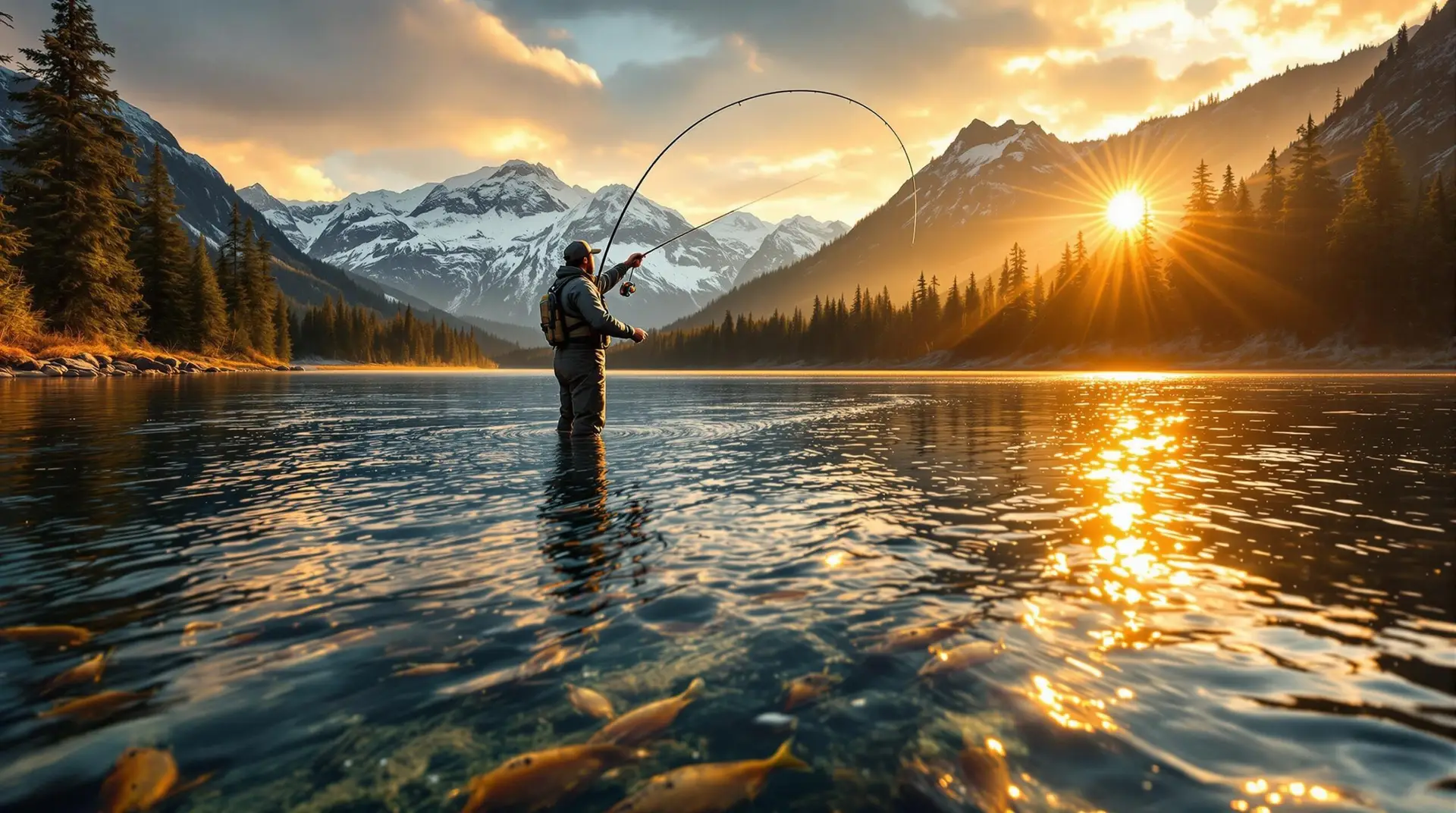
British Columbia’s Upper Pitt River ranks among the top 10 trout fishing destinations in North America—yet it sits just hours from Vancouver, accessible within a single day trip. The province offers exceptional fly fishing diversity, from glacier-fed coastal rivers to Interior stillwater lakes, with opportunities for five Pacific salmon species, sea-run char, and wild rainbows. This guide identifies BC’s premier fly fishing in British Columbia destinations, seasonal windows, and species opportunities to help anglers plan productive trips.
Quick Answer: The best places for fly fishing in British Columbia include the Upper Pitt River for sea-run Dolly Varden and Bull Trout, Kamloops-area lakes like 6 Mile and Jacko for high-density rainbows, the Fraser Valley system for all five Pacific salmon species, and the Columbia River for extended-season rainbow trout fishing.
Definition: Fly fishing in British Columbia is angling with artificial flies across diverse watersheds spanning coastal rivers, Interior lakes, and alpine streams that support multiple salmonid species.
Key Evidence: According to Silversides Fishing, the Upper Pitt River is ranked among the top 10 trout fishing spots in North America by fly fishing experts.
Context: These destinations span from urban-accessible coastal rivers to Interior backcountry waters, offering options for every skill level and seasonal preference.
Fly fishing in British Columbia is not random exploration of pretty water but strategic pursuit of specific species during optimal windows across watersheds that deliver continental-class opportunities. The Upper Pitt works because glacier-fed water stays cold while sea-run char push upriver during precise seasonal timing. The Kamloops lakes produce because strategic stocking creates high-density rainbow populations in nutrient-rich stillwater. Success comes from matching your approach to these natural patterns rather than hoping luck will substitute for knowledge.
Key Takeaways
- Upper Pitt River delivers continental-class trout fishing for sea-run Dolly Varden and Bull Trout during its May 15-July 7 season
- Kamloops stillwater lakes produce 30-50 cm rainbows with leech and damselfly patterns
- Fraser Valley rivers provide access to all five Pacific salmon species within the Mission-Chilliwack corridor
- Columbia River offers 40 kilometers of free-flowing water with relatively low fishing pressure
- Squamish River combines accessibility for wading with diverse species including Pink Salmon in odd-year cycles
Top Coastal Destinations for Fly Fishing in British Columbia
Maybe you’ve wondered if BC’s famous fishing lives up to the hype—the Upper Pitt River proves it does. This glacier-fed system represents continental-ranked water accessible by jet boat, targeting sea-run Dolly Varden and Bull Trout against glacier-capped mountains and old-growth rainforest during its May 15-July 7 season. According to Silversides Fishing, this designation places it among North America’s finest trout waters despite its proximity to Vancouver. The combination of wilderness quality and day-trip accessibility makes it exceptional for anglers seeking premium experiences without backcountry commitments.
The Fraser Valley system encompasses Harrison, Stave, and Vedder rivers that offer all five Pacific salmon species within the Mission-Chilliwack corridor. Pink Salmon runs occur in September during odd-numbered years, while Coho and Chum fishing peaks October 7-November 7. This concentration of salmon diversity provides autumn opportunities when coastal rivers come alive with returning fish.
The Squamish River stretches 80 kilometers with 30 kilometers of fishable water accessible for wading along Government Road. Pink Salmon arrive July 15-September 7 in odd years, Chum and Coho push through in October-November, and Bull Trout offer opportunities during March-early May and November-December. The accessibility for wade fishing makes this system ideal for anglers developing skills on glacial rivers.
A common pattern looks like this: You drive up from Vancouver expecting scenic water, then discover the Squamish holds legitimate fishing pressure from experienced locals who know exactly where the fish hold. That’s your signal—when you see other anglers working specific runs with purpose, you’ve found productive water worth learning.
Seasonal Timing for Coastal Waters
Coastal rivers follow predictable salmon cycles and trout windows that require strategic planning.
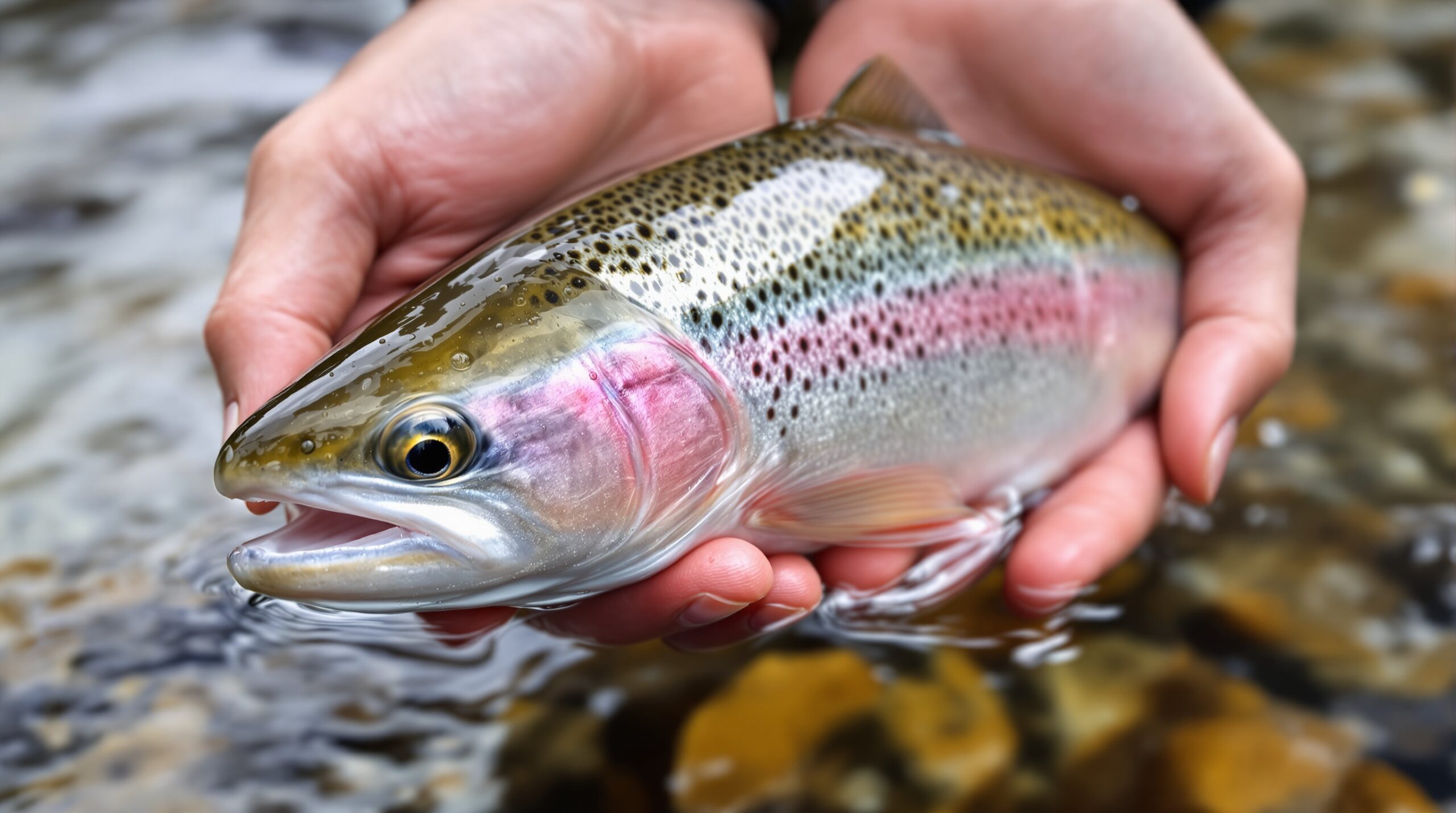
- Spring (May-June): Upper Pitt sea-run char; Bull Trout in Squamish
- Summer (July-August): Pink Salmon (odd years only) on Squamish and Fraser tributaries
- Fall (September-November): Coho and Chum on Fraser Valley rivers; late Bull Trout
Interior Stillwater and River Systems
You might notice that Interior BC fishing feels different from coastal waters—the rhythm shifts from reading current to reading depth and temperature layers. The Kamloops region creates a constellation of productive stillwater lakes within 30-minute drives. Research by Go Fish BC shows that 6 Mile Lake produces high numbers of rainbows measuring 30-50 cm, with leech and damselfly patterns proving most effective. Jacko and Edith lakes complete this trio of consistently productive waters that ice-free earliest in spring.
The Freshwater Fisheries Society of BC stocks these lakes with Blackwater, Pennask, and Fraser Valley rainbow strains, creating predictable fisheries that balance wild populations with enhanced opportunities. This strategic stocking approach matches specific genetic strains to lake characteristics, supporting healthy populations that respond to technical presentations.
According to professional fly tier Don Freschi of the Single Fly Only Trout Fishermen, the Columbia River represents “one of the finest fisheries in North America” for rainbow trout. The 40-kilometer free-flowing section from Castlegar to the Waneta border offers March-November prime season with relatively low fishing pressure compared to its quality. Stillwater fishing works through three mechanisms: it forces precise depth control, it demands patience for fish to find your fly, and it rewards technical presentations over aggressive retrieves. That combination separates productive anglers from those who simply cast and hope.
Stillwater Pattern Selection
Interior lakes follow seasonal progressions that dictate effective fly patterns.
- Early spring: Leeches stripped through deeper water as rainbows cruise pre-surface activity
- Late spring-summer: Damselfly nymphs with slow retrieves near weed beds; terrestrials during afternoon winds
- Fall: Return to leeches and baitfish patterns as rainbows feed aggressively before winter
Planning Your Fly Fishing Trip in British Columbia
Reading glacial rivers requires adjusting to daily and hourly changes in clarity and flow. Focus on spring mornings before afternoon snowmelt increases turbidity, particularly on systems like the Squamish where low-water runs concentrate fish in predictable lies. Side channels and tributary confluences offer clearer water when mainstems run milky. Watch for visual cues—foam lines, depth transitions, color changes—that indicate structure fish use as current breaks.
Boat access separates marginal from exceptional experiences on large rivers. The Columbia River’s full potential remains locked without drift boats or personal watercraft—wading limits anglers to shoreline runs while 40 kilometers of prime water stays unreachable. Conversely, the Squamish’s Government Road access and the Birkenhead’s Highway proximity allow productive wading where bank access covers productive runs.
Mark calendars for September in odd-numbered years when Pink Salmon runs concentrate on the Squamish and Fraser tributaries. This biennial cycle creates predictable opportunities that draw focused effort—even years offer quieter conditions on these same waters. It’s okay to plan entire trips around these cycles; many of us discover that timing beats technique when salmon are running hard.
Why Fly Fishing in British Columbia Matters
British Columbia’s fly fishing opportunities represent some of North America’s most diverse and accessible quality waters, from continental-ranked trout rivers to productive stillwater lakes. The province’s geographic variety allows anglers to target sea-run char, five salmon species, and wild rainbows within single trips, while conservation-minded management preserves these fisheries for future generations. Whether seeking wilderness solitude or technical presentation challenges, BC delivers experiences that balance world-class fishing with stunning natural settings.
Conclusion
British Columbia’s premier fly fishing destinations span from the Upper Pitt River’s top-10 North American ranking to the Columbia River’s uncrowded Interior flows and Kamloops’ technical stillwater lakes. Success requires understanding seasonal windows—odd-year Pink cycles, spring char runs, fall salmon pushes—and matching access methods to water types. Whether wading the accessible Squamish River or drifting the Columbia’s 40-kilometer free-flowing section, BC offers quality fishing within day-trip reach of urban centers and backcountry wilderness alike. Plan trips around optimal windows, respect conservation closures, and consider guided experiences on complex glacial systems to make the most of your time on these exceptional waters.
Frequently Asked Questions
What is fly fishing in British Columbia?
Fly fishing in British Columbia is angling with artificial flies across diverse watersheds spanning coastal rivers, Interior lakes, and alpine streams that support multiple salmonid species including Pacific salmon and wild rainbows.
What are the best places for fly fishing in British Columbia?
The best places include the Upper Pitt River for sea-run Dolly Varden, Kamloops-area lakes like 6 Mile and Jacko for high-density rainbows, Fraser Valley rivers for all five Pacific salmon species, and the Columbia River for extended-season fishing.
When is the best time for fly fishing in British Columbia?
Spring (May-June) for sea-run char on Upper Pitt, summer (July-August) for Pink Salmon in odd years, and fall (September-November) for Coho and Chum runs on Fraser Valley rivers. Interior lakes fish best March-November.
What fish species can you catch fly fishing in British Columbia?
You can target all five Pacific salmon species (Chinook, Coho, Sockeye, Pink, Chum), sea-run Dolly Varden, Bull Trout, rainbow trout, and sea-run char across BC’s coastal rivers, Interior lakes, and alpine streams.
Is the Upper Pitt River really among North America’s top fishing destinations?
Yes, according to Silversides Fishing, the Upper Pitt River ranks among the top 10 trout fishing destinations in North America for its glacier-fed waters targeting sea-run Dolly Varden and Bull Trout during its May 15-July 7 season.
What makes Kamloops stillwater lakes productive for fly fishing?
Kamloops lakes like 6 Mile and Jacko produce 30-50 cm rainbows through strategic stocking with Blackwater, Pennask, and Fraser Valley rainbow strains, creating high-density populations in nutrient-rich stillwater environments.
Sources
- Silversides Fishing – Professional guide service providing rankings and detailed information on top fly fishing locations within three hours of Vancouver, including Upper Pitt River, Squamish River, and Fraser Valley systems
- Go Fish BC – Comprehensive resource on Kamloops-area stillwater fly fishing, covering productive lakes, stocking programs, and seasonal patterns for rainbow trout
- Single Fly Only Trout Fishermen – Conservation-focused angling group featuring expert Don Freschi’s insights on Columbia River rainbow trout fishing in the West Kootenay region
- Whistler Blackcomb – Resort destination guide covering alpine and valley fly fishing options in the Whistler-Pemberton corridor, including Green Lake and Showh Lakes
- The Trout Bandit – Angling blog documenting coastal and Interior fly fishing opportunities, with details on Squamish, Cheakamus, and Birkenhead rivers