
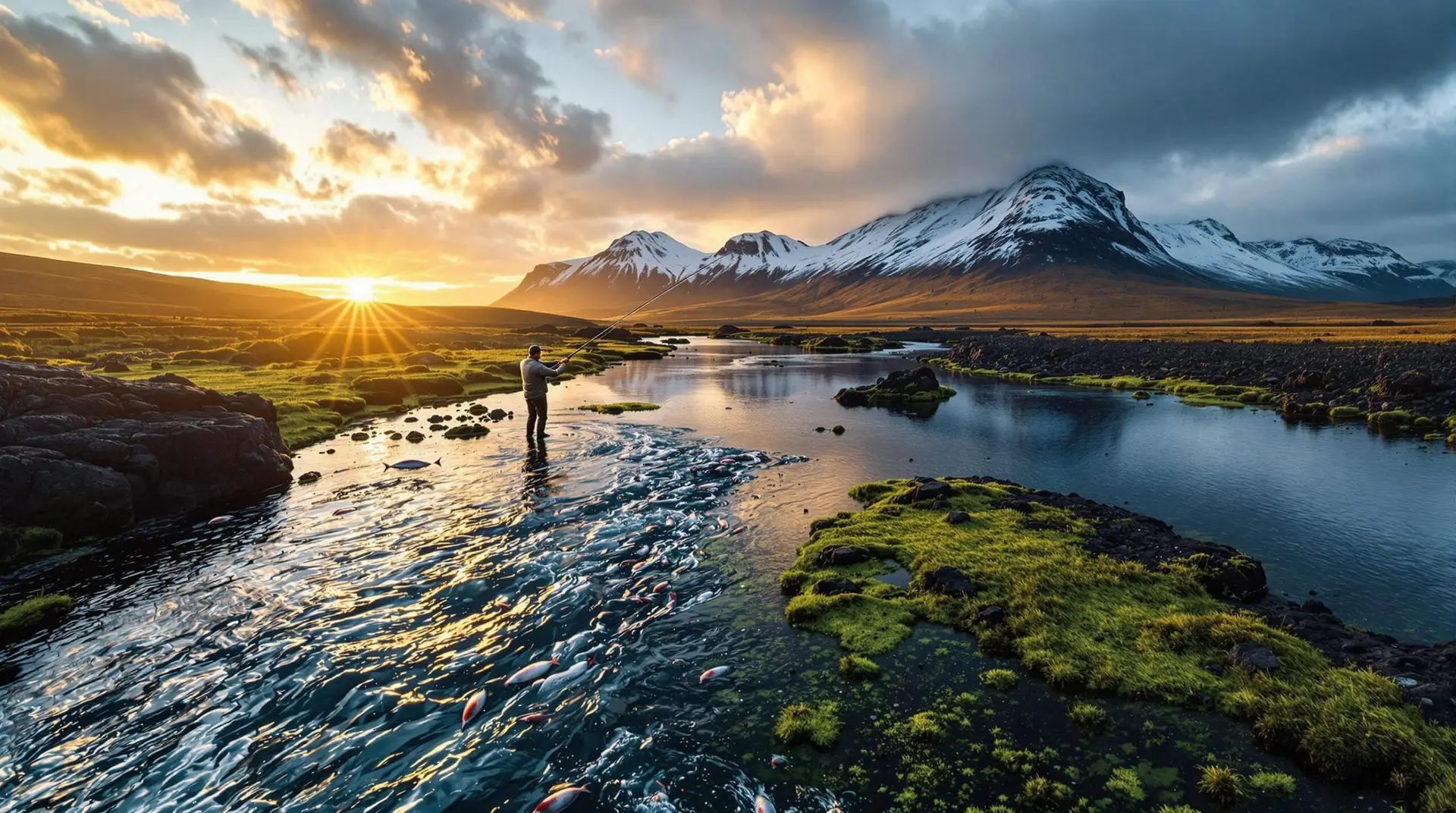
Iceland’s volcanic landscapes and glacially-fed rivers create some of the world’s most unique fly-fishing environments, where anglers pursue trophy brown trout, Arctic char, and Atlantic salmon in waters so clear you can watch fish refuse poorly presented flies. The island’s geological isolation has produced fisheries shaped by ice age glaciation and sustained by mineral-rich waters flowing through ancient lava fields. This guide explores Iceland’s premier fly-fishing destinations, from stillwater trophy char lakes to technical dry fly rivers and sea-run brown trout systems.
Fly fishing in Iceland is not just about fishing—it’s about reading water that reveals every mistake in your presentation. The crystal-clear flows demand patience and precision, rewarding those who understand that stealth matters more than covering water quickly.
Quick Answer: Fly fishing in Iceland offers world-class opportunities across diverse waters including Lake Þingvallavatn for giant Arctic char, the Laxá river systems for technical dry fly brown trout fishing, highland rivers like Tungnaá producing browns to 12 pounds, and salmon destinations like the East and West Ranga Rivers—all set against pristine volcanic landscapes.
Definition: Fly fishing in Iceland is angling in glacially-fed and spring-fed waters where volcanic geology creates unique ecosystems supporting trophy brown trout, Arctic char, and Atlantic salmon populations.
Key Evidence: According to Guide to Iceland, Lake Þingvallavatn holds giant Arctic char and brown trout, established as one of Iceland’s premier stillwater destinations in a UNESCO World Heritage site where tectonic plates drift apart.
Context: Iceland’s geological diversity translates directly to varied angling experiences within a compact geography.
Iceland’s fisheries work through three mechanisms: volcanic geology creates mineral-rich waters, glacial legacy provides consistent cold temperatures, and isolation preserves native fish genetics. That combination produces exceptional growth rates and fish quality while maintaining crystal-clear visibility that elevates presentation requirements. The sections that follow will show you exactly where to find these world-class waters, how to fish them effectively, and what makes each destination unique within Iceland’s diverse landscape.
Key Takeaways
- Lake Þingvallavatn offers trophy Arctic char and brown trout in a UNESCO World Heritage tectonic setting where geological processes create unique fishing conditions
- Laxá river systems provide exceptional dry fly fishing for large brown trout requiring technical presentations and precise pattern selection
- Highland rivers like Tungnaá produce brown trout up to 12 pounds in remote volcanic landscapes with nutrient-rich growing conditions
- Sea-run brown trout in rivers like Tungufljót offer high average weights and explosive fighting characteristics from ocean feeding
- Lodge-based access allows anglers to fish multiple river systems during single trips across UNESCO-designated lava fields
Premier Stillwater Destinations for Fly Fishing in Iceland
Maybe you’ve dreamed of sight-fishing trophy trout in waters so clear you can see bottom at 30 feet. Lake Þingvallavatn stands as Iceland’s crown jewel for stillwater fishing, offering giant Arctic char and brown trout in a UNESCO World Heritage site where North American and Eurasian tectonic plates visibly separate. According to Guide to Iceland, this destination combines geological wonder with exceptional fishing, creating an experience where you’re literally casting over the boundary between continents. The lake’s unique position in the Mid-Atlantic Ridge creates conditions unlike anywhere else on earth.
Lake Mývatn provides Arctic char and brown trout fishing amid active volcanic features including geothermal areas, located one hour from Akureyri. The geothermal activity that defines this region influences water temperatures and insect life, creating hatches and feeding patterns you won’t encounter elsewhere. This accessibility makes it perfect for anglers flying into northern Iceland who want immediate access to quality fishing.
Lake Villingavatn earns recognition for sight-fishing opportunities targeting trophy brown trout and Arctic char in crystal-clear conditions. Research by Fly Fishing Journeys shows these waters provide educational experiences where you can watch fish track your fly, follow it, then turn away when presentation falls short. You might notice how these stillwater fisheries offer anglers the chance at truly memorable fish in settings where geological processes create unique conditions—geothermal activity influences water temperatures and insect life unlike anywhere else.
Stillwater Fishing Techniques
Success on Iceland’s lakes requires adjusting approach based on crystalline clarity and sophisticated fish behavior.
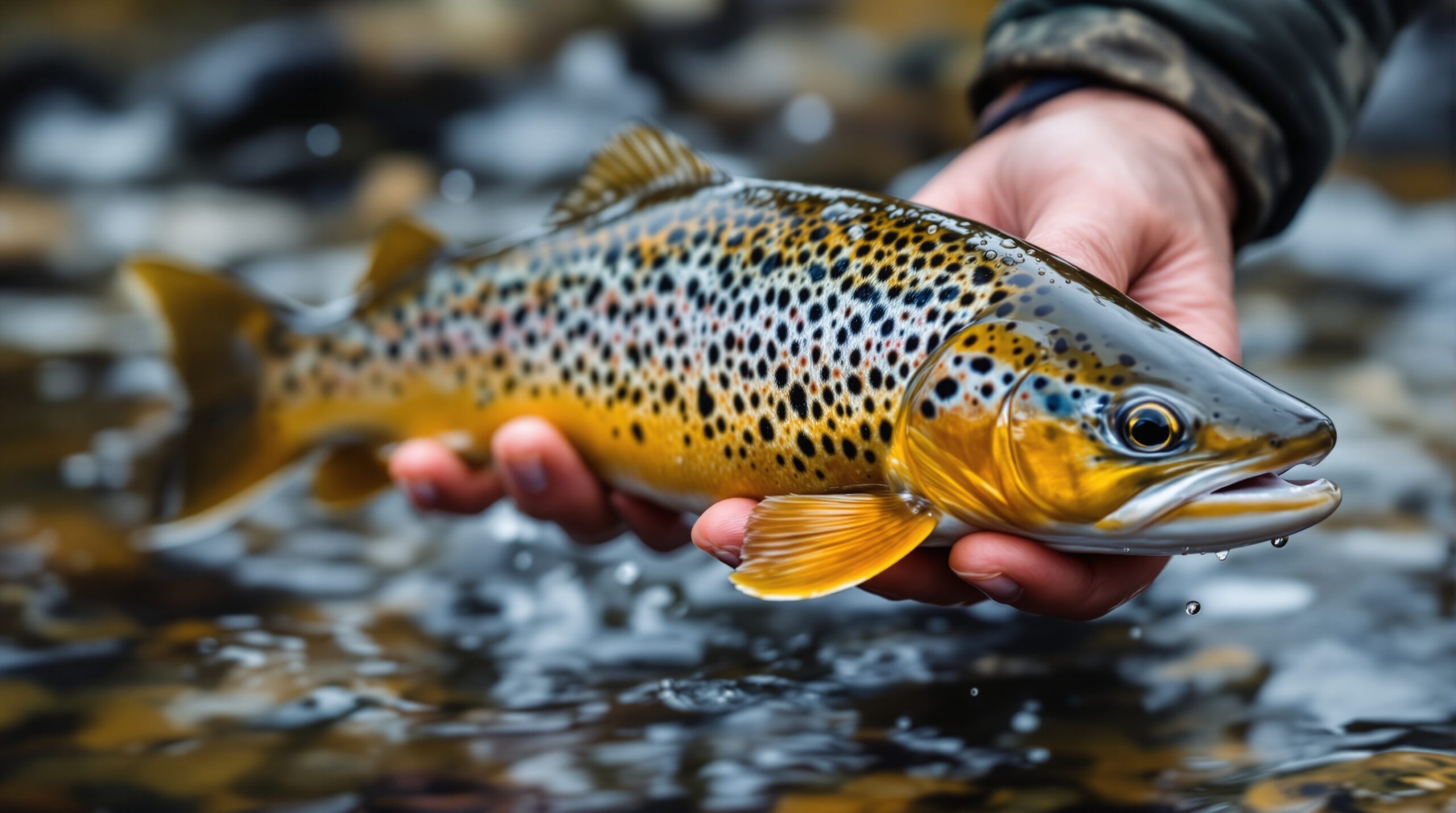
- Sight-fishing emphasis: Spend time observing before casting to understand fish position and feeding patterns in clear conditions
- Presentation precision: Tippet diameter becomes essential—what works in stained water appears like rope in Iceland’s crystalline flows
- Pattern selection: Match local insect life; geothermal areas create unique hatches requiring specific fly choices
Technical River Fishing for Brown Trout and Salmon
One common pattern looks like this: you arrive at a promising pool, spot a large brown trout feeding in the film, make what feels like a perfect cast, and watch the fish bolt for cover. That’s Iceland teaching you about presentation standards. The Laxá in Aðaldalur and Laxá in Laxárdalur earn celebration for large brown trout and exceptional dry fly fishing opportunities, representing the essence of classic fly fishing where presentation and pattern selection matter more than brute force. According to Guide to Iceland, these rivers provide wadable pools and riffles where technical precision determines success, allowing anglers to hone their craft on fish that demand delicate presentations.
Highland rivers showcase Iceland’s capacity to grow outsized trout in isolated volcanic ecosystems. Tungnaá produces brown trout up to 12 pounds in remote volcanic landscapes, where nutrient-rich waters and limited angling pressure create ideal growing conditions. Research from Trout and Feather documents these highland systems as producing consistently large fish in settings that feel untouched by time.
Sea-run brown trout represent an emerging emphasis in Iceland’s fishing scene. Tungufljót offers sea-run brown trout with high average weights in micro-canyon settings, where anadromous fish spend time feeding in the ocean before returning to freshwater. These fish offer size potential and explosive fighting characteristics that combine the best attributes of resident trout and salmon, creating encounters that test both tackle and technique.
Atlantic salmon rivers including the East and West Ranga, Midfjardara, and Mýrarkvísl attract anglers targeting migratory fish during seasonal runs. The Midfjardara operates under strict catch-and-release protocols, demonstrating that protection and quality angling experience work together. For accessibility, the Varma River located just 45 minutes from Reykjavik provides brown trout and Arctic char opportunities for those with limited time.
Planning Your Fly Fishing Trip to Iceland
Lodge-based multi-river experiences have become the preferred model for visiting anglers. Facilities like Battle Hill Lodge provide access to numerous waters including Fossálar-Vatnamót, Jónskvísl, Sýslækur, Tungufljótt, Grenilæk, and Skaftá, all situated on UNESCO-designated lava fields. According to Fly Fishing Journeys, this approach allows anglers to experience multiple fisheries during a single trip while minimizing the logistical challenges of navigating Iceland’s rugged interior.
Fishing sessions follow morning and evening periods with midday breaks—a rhythm that respects both the fish and the angler’s capacity to maintain focus during technical presentations. Use this downtime to rest, reorganize tackle, or observe water for insects and rising fish. Evening sessions often prove productive as light angles improve and fish become more active.
Technique selection should match the water type. On Laxá sections, classic dry fly approach works beautifully when you match the hatch and achieve drag-free drift through feeding lanes. In deeper highland pools, indicator rigs with two-nymph setups allow effective coverage of the water column. Near waterfalls and in micro-canyons, streamer presentations can trigger aggressive strikes from opportunistic browns.
Multi-river week structure reflects the emerging emphasis on sea-run brown trout fisheries. Operations now structure trips to sample several waters with different characteristics—a day on a lake for char, followed by highland brown trout rivers, then perhaps a session on salmon water. This approach maximizes the unique diversity Iceland offers while accommodating varied weather and water conditions.
Common Planning Mistakes
Visiting anglers accustomed to different conditions make predictable errors that reduce success rates.
- Underestimating clarity: Tippet and presentation standards must exceed expectations from off-colored home waters
- Rushing coverage: Patience required for technical presentations; take time with each promising lie rather than quickly covering water
- Poor timing: Atlantic salmon runs have peak periods; booking outside these windows reduces encounter probability
Why Fly Fishing in Iceland Matters
Iceland’s fly-fishing waters represent ecosystems functioning largely unchanged since the ice age, offering anglers engagement with geological time rather than just contemporary sport. The combination of pristine volcanic landscapes, exceptional water clarity, and fish quality creates technical challenges that sharpen skills while providing access to trophy specimens. These fisheries demonstrate how isolation and unique geology produce world-class angling unavailable elsewhere.
Conclusion
Fly fishing in Iceland delivers unmatched diversity within compact geography—from sight-fishing trophy Arctic char in tectonic lakes to presenting dry flies over selective brown trout in spring-fed rivers and battling sea-run browns in volcanic micro-canyons. The exceptional water clarity demands technical precision, creating educational experiences where you watch fish respond to presentation quality. Whether accessing highland waters through lodge-based operations or day-tripping from Reykjavik, Iceland’s fisheries reward those who respect the rhythm of these ancient ecosystems with fish of a lifetime against backdrops found nowhere else on earth. For anglers seeking similar pristine waters, consider exploring opportunities in Scotland’s highland lochs or Ireland’s limestone rivers.
Frequently Asked Questions
What makes fly fishing in Iceland unique compared to other destinations?
Iceland’s volcanic geology creates mineral-rich waters with exceptional clarity, while glacial legacy provides consistent cold temperatures. The island’s isolation preserves native fish genetics, producing trophy brown trout, Arctic char, and Atlantic salmon in crystal-clear flows that demand precise presentations.
Where can I catch trophy Arctic char in Iceland?
Lake Þingvallavatn offers the best trophy Arctic char fishing in Iceland. Located in a UNESCO World Heritage site where tectonic plates separate, this lake provides giant Arctic char and brown trout in waters so clear you can see bottom at 30 feet.
What are the best rivers for brown trout in Iceland?
The Laxá river systems in Aðaldalur and Laxárdalur provide exceptional dry fly fishing for large brown trout. Highland rivers like Tungnaá produce browns up to 12 pounds, while Tungufljót offers sea-run brown trout with high average weights.
When is the best time for Atlantic salmon fishing in Iceland?
Atlantic salmon runs have specific peak periods on rivers like East and West Ranga, Midfjardara, and Mýrarkvísl. Timing your visit during these seasonal runs is crucial for encounter probability, as booking outside peak windows significantly reduces success rates.
How clear is the water in Iceland’s fishing destinations?
Iceland’s fishing waters are exceptionally clear due to volcanic geology and glacial origins. You can watch fish track your fly, follow it, then turn away when presentation falls short. This clarity demands lighter tippets and more precise casting than typical fishing destinations.
What is the best way to plan a fly fishing trip to Iceland?
Lodge-based multi-river experiences are preferred, with facilities like Battle Hill Lodge providing access to numerous waters on UNESCO-designated lava fields. This approach allows fishing multiple fisheries during one trip while minimizing logistical challenges in Iceland’s rugged interior.
Sources
- Guide to Iceland – Comprehensive overview of major fishing destinations including lakes Þingvallavatn and Mývatn, the Laxá rivers, and salmon waters
- The Trout Bandit – Detailed examination of trout fishing techniques on Laxá system waters with focus on dry fly presentation
- Fly Fishing Journeys – Lodge-based fishing programs including Battle Hill Lodge access and highland river systems
- Trout and Feather – Species-specific recommendations and access details for brown trout, Arctic char, and salmon destinations
- Hatch Travel – Emerging emphasis on sea-run brown trout fisheries and multi-river week structure