
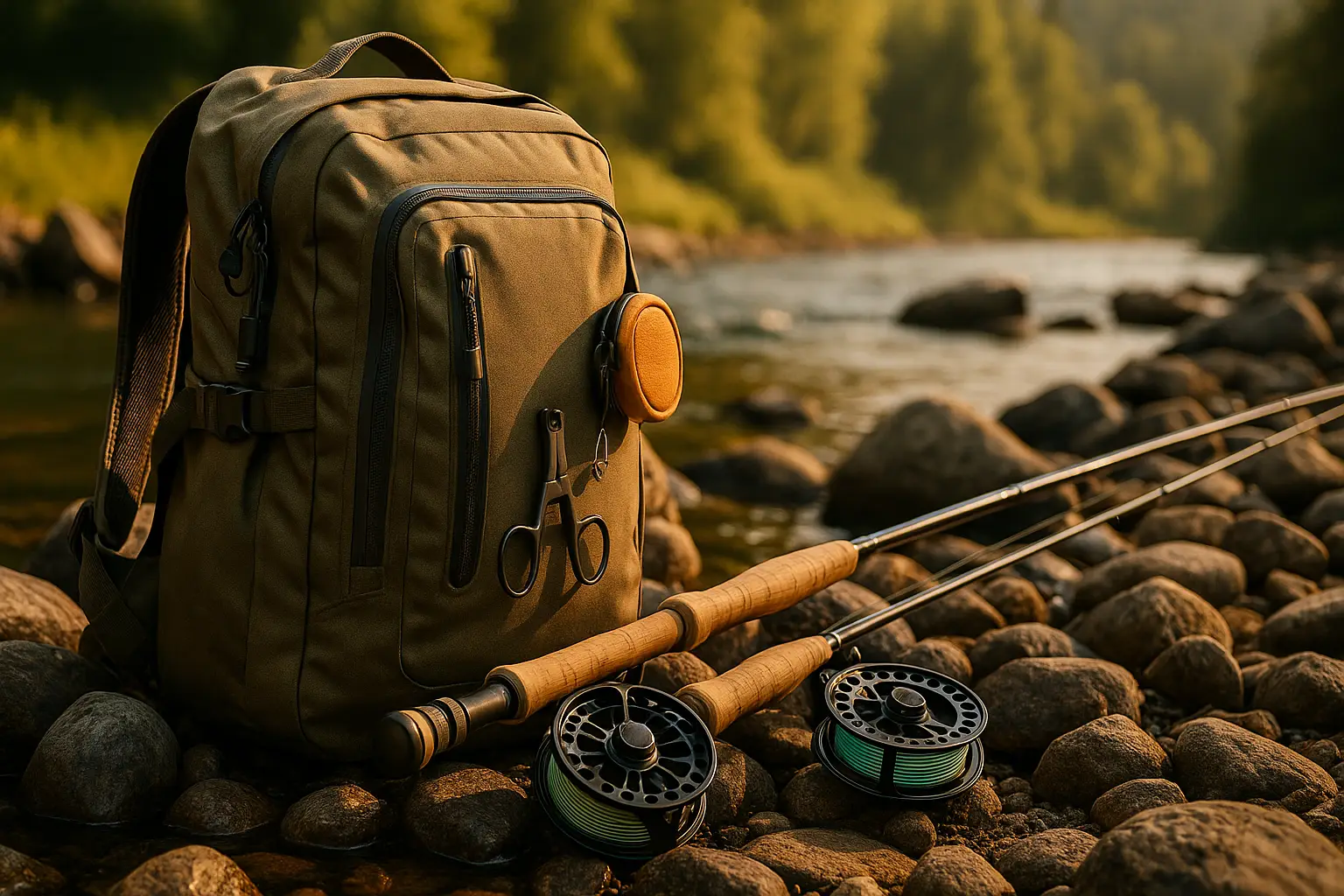
The sling pack revolution has transformed how we carry gear on the water. Models like the Orvis Guide Sling Pack (18L, 1.76 lbs) and Fishpond Thunderhead now dominate the best fly fishing bags market, offering superior weight distribution and streamlined access compared to traditional vests. This shift reflects what many of us have discovered—that comfort and organization directly impact our ability to focus on presentation and reading water during long sessions.
Fly fishing bags are not just storage containers. They are specialized systems that organize essential gear while maintaining mobility and quick access during presentations and drifts on the water.
This guide examines the top options for 2025, evaluating capacity, waterproofing, and specialized features to help you match gear to your fishing style and the waters you love to explore.
Quick Answer: The best fly fishing bags for 2025 are sling packs ranging from 9L to 20L capacity, with waterproof models like the Fishpond Thunderhead and versatile options like the Orvis Guide Sling Pack leading for organization, mobility, and weather protection.
Definition: Best fly fishing bags are specialized carrying systems designed to organize and protect essential gear while maintaining mobility and quick access during presentations and drifts on the water.
Key Evidence: According to Field & Stream testing, sling packs now dominate across major manufacturers including Orvis, Simms, Fishpond, Umpqua, and Patagonia with capacities from 9L to 20L.
Context: This evolution from traditional vests reflects the need for ergonomic weight distribution during all-day fishing sessions.
Best fly fishing bags work through three mechanisms: they externalize organization, reduce the mental load of tracking multiple tools, and create quick access to what you need when fish are rising. The best designs disappear into your fishing rhythm, providing instant access without fumbling or distraction. That combination reduces gear anxiety and increases choice in how you respond to changing conditions.
Key Takeaways
- Sling pack dominance: Models from 9L-20L capacity replace traditional vests for superior mobility and organization during extended sessions on the water
- Waterproofing standard: Fully submersible designs like Fishpond Thunderhead protect gear in all conditions, as confirmed by Fly Lords testing
- Sustainability integration: Recycled materials including Eco Cordura and reclaimed fishing nets reduce environmental impact while maintaining durability
- Ambidextrous design: Reversible configurations serve both left and right-handed casters, eliminating awkward access during presentations
- Price accessibility: Options range from $90 budget models to $298 premium waterproof systems, making quality organization available to all anglers
Top Sling Packs: The New Standard for Best Fly Fishing Bags
Maybe you’ve experienced that frustrating moment when fish start rising and you’re fumbling through vest pockets while the hatch passes you by. Sling packs solve this problem by addressing the mobility limitations that made traditional vests feel cumbersome during long days casting and wading.
Research by Field & Stream tester Max Inchausti shows the Orvis Guide Sling Pack exemplifies this evolution with 18 liters divided into two main compartments perfect for multiple fly boxes, plus an integrated shoulder strap pouch that provides instant access to tippet and tools during active hatches.
The ability to swing these packs forward creates streamside workbenches where you can tie on new patterns, adjust tippet, or reorganize tackle while maintaining position during productive drifts. This eliminates the fumbling and distraction that breaks concentration when you spot that perfect rise just upstream.
Leading models include the Fishpond Thunderhead (13L), which testers describe as “100 percent waterproof and fully submersible” with TPU coating for wet conditions. The Simms Dry Creek Z (12L, 19.17 oz) offers lightweight waterproof protection with 420D nylon ripstop for backcountry pursuits. For sustainability-minded anglers, the Fishpond Summit 2.0 (10L, 1.7 lbs) incorporates recycled nylon from commercial fishing nets while providing ambidextrous reversible design.
Budget-Friendly Entry Options
Quality organization doesn’t require premium investment, as the Simms Tributary demonstrates at just $90.
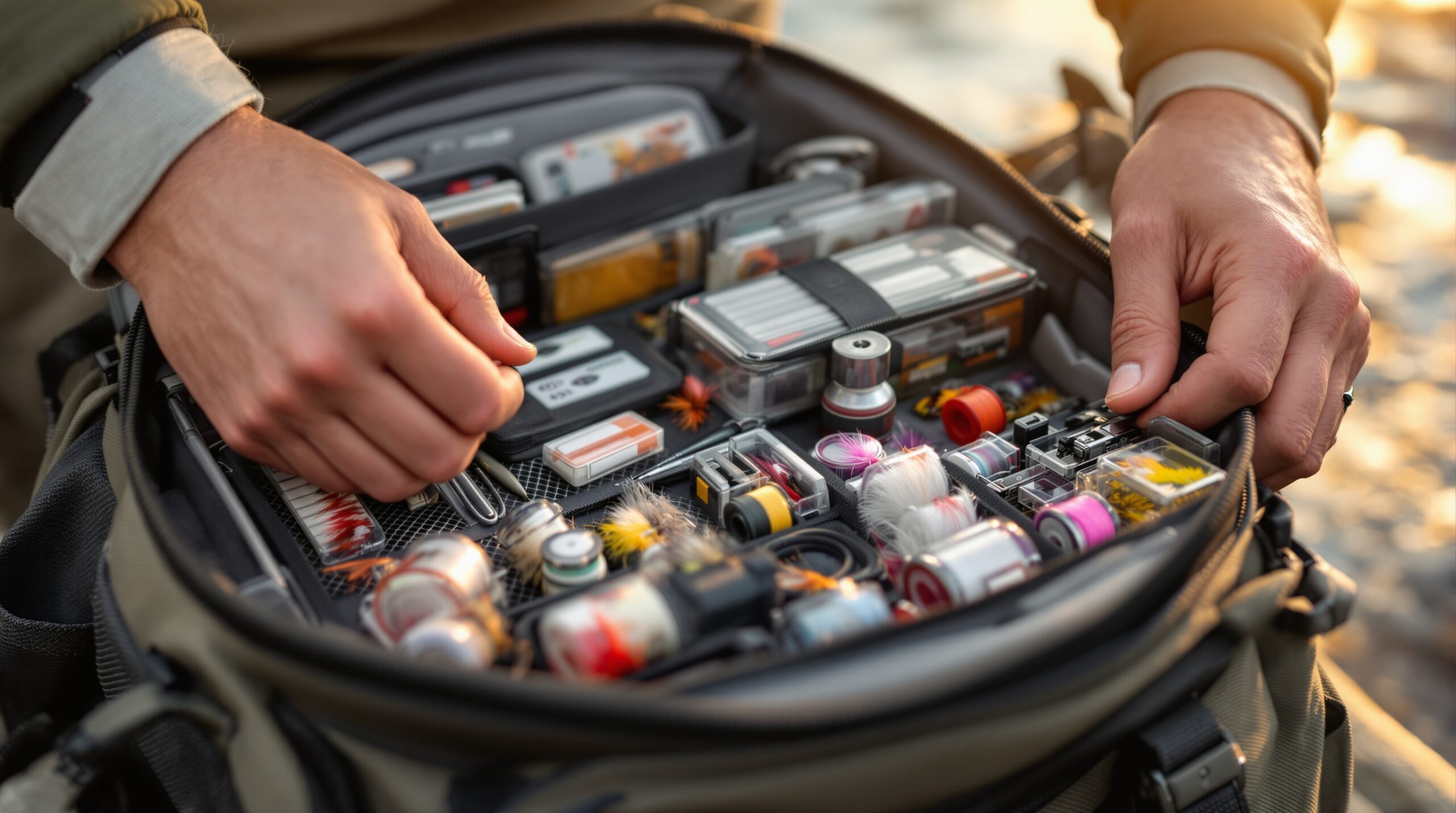
- 10L capacity: Comfortable 1.05 lbs for all-day wear without shoulder fatigue
- Separated compartments: Prevents tippet tangling with delicate fly patterns
- Essential organization: Provides core functionality without overwhelming complexity
Specialized Formats: Chest Packs, Hip Packs, and Minimalist Options
Alternative bag formats serve specialized roles where slings may not optimize performance for specific fishing scenarios. You might find chest packs like the Simms Freestone and Umpqua Northfork appealing if you prioritize immediate visibility of multiple fly box options—the Northfork accommodates 6 fly boxes for extensive hatch matching during complex emergence periods.
Testing by GearJunkie reviewers confirms hip and lumbar packs distribute weight lower on the body for different comfort profiles during wade fishing. The Orvis Guide Fly Fishing Hip Pack earned an 8.5/10 rating for keeping essentials accessible while maintaining low center of gravity in current.
A common pattern looks like this: you start with a large pack thinking more capacity equals better preparation, but after a season of fishing small streams, you discover that simplicity enhances the serenity many of us seek on the water. The minimalist movement addresses this realization through designs like the Bare Fly Fishing Sling Pack—Ryan Chelius describes it as his “go-to small stream bag” for its 9L capacity that carries two fly boxes, essential tippet, nippers, and forceps without the snag points that catch overhanging branches.
For multi-day expeditions requiring camping gear alongside fishing essentials, backpack options like the Fishpond Wind River address extended backcountry pursuits, though these exceed typical single-day fishing bag needs.
Matching Bag Type to Fishing Scenario
Effective bag selection requires aligning design to specific conditions, duration, and the type of water you’ll be fishing.
- Duration matching: 2-4 hours suits minimalist 9-10L; full day requires 15-18L capacity
- Condition adaptation: Rain or wet wading demands waterproof; dry conditions allow standard materials
- Complexity consideration: Multiple hatch scenarios need larger capacity; focused fishing benefits from minimal gear
Material Innovation and Sustainability in Best Fly Fishing Bags
Notice how gear choices reflect our values on the water. Sustainability has evolved from marketing afterthought to core design driver as manufacturers recognize the connection between equipment decisions and watershed health.
Studies by Fly Lords testers confirm the Orvis Guide uses Eco Cordura—recycled fabric that maintains durability while reducing environmental impact. The Fishpond Summit 2.0 incorporates recycled nylon recovered from commercial fishing nets, creating tangible connection between equipment decisions and ocean conservation.
Waterproofing technologies now deliver submersible protection across price points, addressing the reality that even careful waders occasionally face unexpected immersion. TPU coatings and 420D nylon ripstop fabrics protect against full submersion during deep crossings or sudden weather changes, allowing focus on presentation rather than gear anxiety.
Weight reduction innovations serve both performance and accessibility by reducing shoulder fatigue during extended sessions. Sub-20-ounce designs like the Simms Dry Creek Z (19.17 oz) accomplish this goal, though testers note capacity limitations with bulky items like rain jackets. This trade-off between weight and versatility remains the primary challenge in bag optimization for varied conditions.
Why Best Fly Fishing Bags Matter
Effective gear organization transforms fishing from equipment management into pure focus on craft and connection with water. The right bag disappears into the rhythm of casting and drifting, providing instant access to needed tools without breaking concentration on rises or current reading. As sustainability becomes inseparable from outdoor ethics, choosing recycled-material bags aligns equipment decisions with watershed conservation—honoring the waters that provide escape, challenge, and renewal.
Conclusion
The best fly fishing bags for 2025 reflect a matured understanding of mobility, organization, and environmental responsibility. Sling packs from 9L to 20L capacity dominate through superior weight distribution and streamlined access, with waterproof models protecting gear in all conditions. Budget options like the Simms Tributary ($90) make quality organization accessible, while premium waterproof systems command $249-$298 for submersible protection.
Sustainability through recycled materials—Eco Cordura, reclaimed fishing nets—connects gear choices to conservation values that resonate with our connection to wild waters. Match capacity to fishing duration, prioritize waterproofing for wet conditions, and choose ambidextrous designs for universal accessibility. Your bag should enhance focus on the water, not distract from the peaceful concentration that makes each day on the water memorable.
Frequently Asked Questions
What are the best fly fishing bags for 2025?
The best fly fishing bags for 2025 are sling packs ranging from 9L to 20L capacity, with waterproof models like the Fishpond Thunderhead and versatile options like the Orvis Guide Sling Pack leading for organization, mobility, and weather protection.
What capacity fly fishing bag do I need?
For 2-4 hours of fishing, choose 9-10L minimalist bags. For full-day sessions, select 15-18L capacity bags like the Orvis Guide Sling Pack (18L) to accommodate multiple fly boxes, tippet, tools, and weather protection gear.
Are waterproof fly fishing bags worth the investment?
Yes, waterproof bags like the Fishpond Thunderhead with TPU coating protect gear during unexpected immersion and wet conditions. They allow focus on fishing rather than gear anxiety, especially for wade fishing and changing weather.
What is the difference between sling packs and chest packs for fly fishing?
Sling packs offer superior mobility and weight distribution for long sessions, swinging forward as streamside workbenches. Chest packs like the Umpqua Northfork provide immediate visibility of multiple fly boxes for complex hatch matching.
How much should I spend on a quality fly fishing bag?
Quality fly fishing bags range from $90 budget options like the Simms Tributary to $298 premium waterproof systems. The Orvis Guide Sling Pack and Fishpond models typically cost $200-250 for professional-grade organization and durability.
What makes fly fishing bags sustainable?
Sustainable fly fishing bags use recycled materials like Eco Cordura and reclaimed fishing nets. The Fishpond Summit 2.0 incorporates recycled nylon from commercial fishing nets, connecting equipment choices to ocean conservation efforts.
Sources
- Field & Stream – Comprehensive testing and evaluation of sling pack features, capacities, and expert perspectives on organization and field performance
- Fly Lords – Expert consensus on waterproofing, material innovations, and tester recommendations for submersible models
- GearJunkie – Detailed ratings and testing methodology for fishing backpacks, chest packs, and hip/lumbar pack alternatives
- Fly Fishing Specialties – Overview of bag categories and applications across different fishing scenarios
- Beyond Braid – Additional context on backpack-style fishing bags and multi-day expedition considerations