
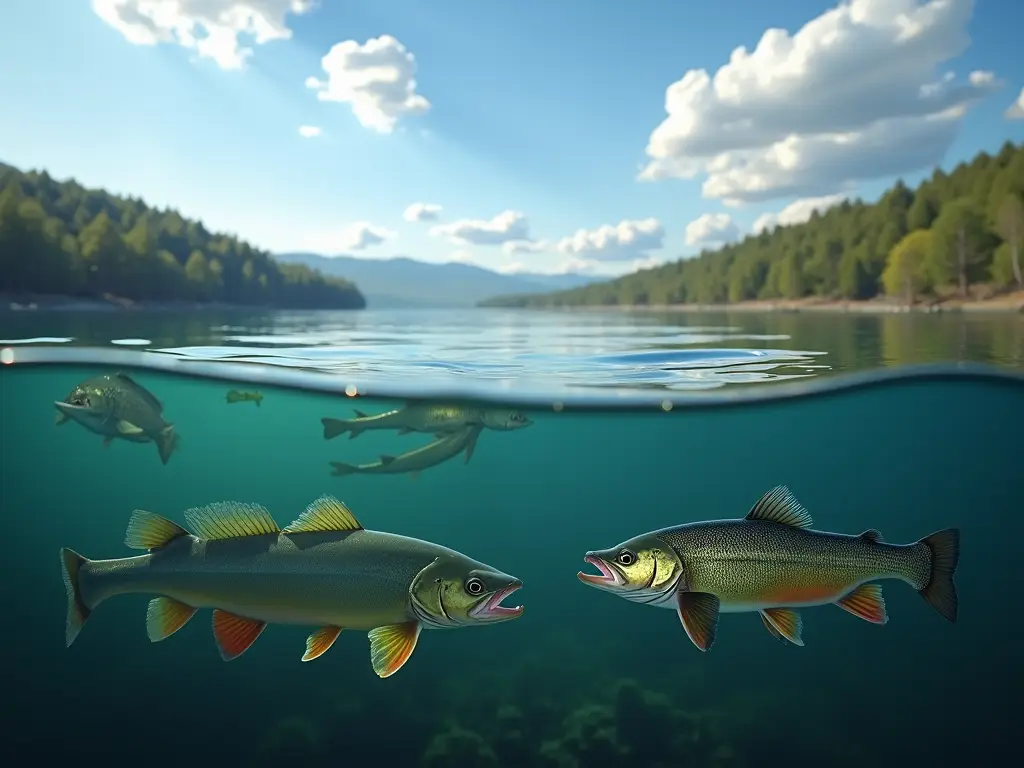
Have you ever had one of those perfect fishing days suddenly turn quiet, despite no visible changes in the water? The fish that were biting enthusiastically just hours before seem to have vanished. What happened? The answer might be floating in the air around you. Recent research from the University of Florida has shown that fish can detect even slight changes in barometric pressure, which often influences their feeding behavior more than many anglers realize. Understanding barometric pressure fishing techniques can make the difference between a frustrating day and a successful one.
As fly fishing enthusiasts, we spend so much time focusing on what we can see - water clarity, insect hatches, and current patterns. Yet one of the most influential factors affecting fish behavior remains invisible to our eyes: barometric pressure. Understanding this hidden force can transform frustrating fishing trips into productive outings, no matter what the weather brings.
Understanding Barometric Pressure and Its Impact on Fishing
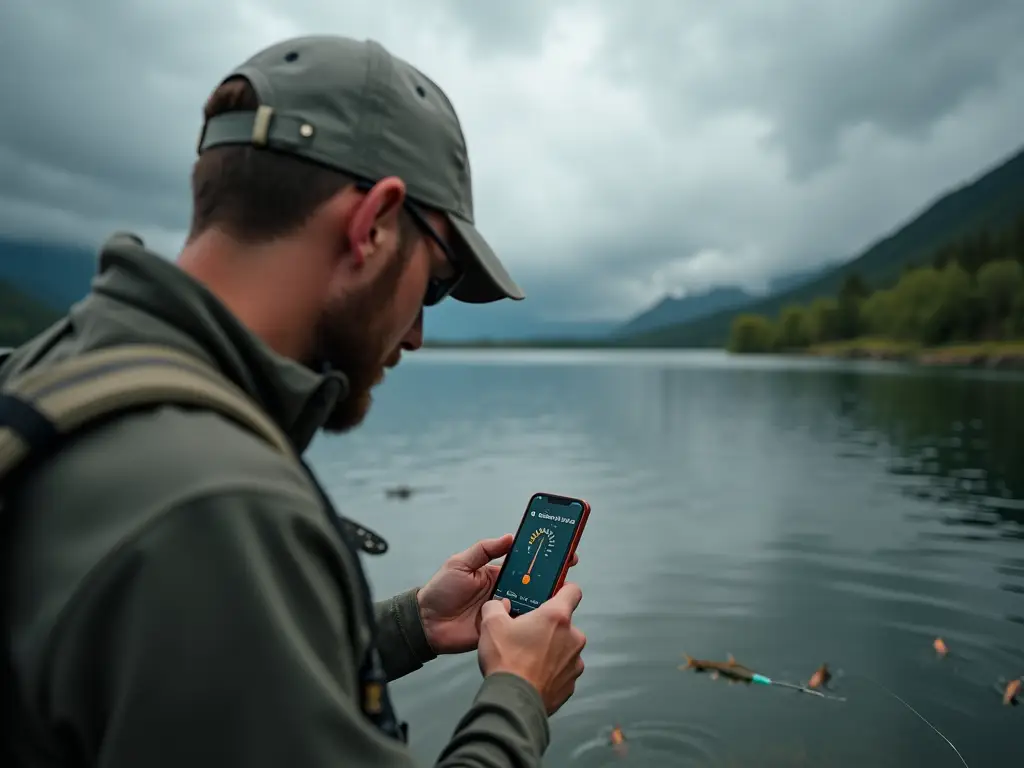
Barometric pressure (also called atmospheric pressure) is simply the weight of the air pressing down on the earth's surface and everything on it - including lakes, rivers, and the fish that live in them. This pressure is measured using a barometer, typically in inches of mercury (inHg) or millibars (mb).
Weather systems directly affect this pressure. High-pressure systems generally bring clear, stable weather with bluer skies. In contrast, low-pressure systems often bring clouds, wind, and precipitation. These pressure systems don't just move through quickly - they create gradual changes that fish can sense well before we notice any weather shifts.
The connection between barometric pressure fishing and weather patterns is more than just coincidence. A study published in the Journal of Experimental Biology found that fish behavior changed significantly 12-24 hours before visible weather changes occurred, corresponding precisely with early barometric shifts.
The Science Behind How Fish Detect Barometric Pressure Changes
Fish have evolved remarkable sensitivity to pressure changes thanks primarily to their swim bladder - an internal gas-filled organ that helps them maintain buoyancy. This organ essentially functions as a natural barometer. When atmospheric pressure changes, it creates a corresponding change in the pressure exerted on the water's surface, which extends throughout the water column.
These pressure changes affect the swim bladder's volume, creating physical sensations that fish can't ignore. Research from the American Fishing Association suggests this is similar to how humans might feel ear pressure changes when driving up a mountain or flying in an airplane - except fish experience it much more intensely.
Different fish species show varying sensitivity to barometric pressure fishing conditions. Generally speaking:
- Fish with larger swim bladders (like bass, trout, and pike) tend to be more sensitive to pressure changes
- Bottom-dwelling species with reduced swim bladders (like catfish and carp) are somewhat less affected
- Species without swim bladders (like sharks and lampreys) show minimal response to pressure changes alone
Barometric Pressure Fishing: High-Pressure Systems and Fish Behavior
Stable high pressure typically creates challenging fishing conditions, especially after the system has been in place for several days. Under these conditions, water clarity often increases, and fish tend to:
- Move to deeper water structures
- Become more selective about lures and flies
- Feed during narrow windows at dawn and dusk
- Require more precise presentations
During high barometric pressure fishing scenarios, successful anglers often downsize their presentations. Field & Stream magazine research found that using smaller flies and lures during high-pressure systems increased strike rates by nearly 30% compared to standard-sized offerings.
Some species actually feed quite well during stable high pressure. Sight-fishing for carp, for instance, can be exceptional during these periods due to the improved water clarity and the fish's reduced sensitivity to pressure compared to species like trout or bass.
Barometric Pressure Fishing: Low-Pressure Systems and Fish Activity
As barometric pressure drops ahead of an approaching weather system, many fish species enter a period of increased feeding activity. This pre-storm feeding frenzy often produces some of the best fishing opportunities. Fish seem to sense the coming change and feed heavily before the full weather system arrives.
During falling pressure, try these barometric pressure fishing strategies:
- Fish with larger, more visible flies and lures
- Cover water more quickly to find active fish
- Focus on areas where baitfish might be vulnerable
- Take advantage of the fish's increased willingness to chase prey
Species like largemouth bass, northern pike, and brown trout often become notably more aggressive during the falling pressure that precedes storms. Research from In-Fisherman magazine documented feeding increases of up to 40% during falling pressure periods compared to stable pressure periods.
Barometric Pressure Fishing: During Pressure Changes
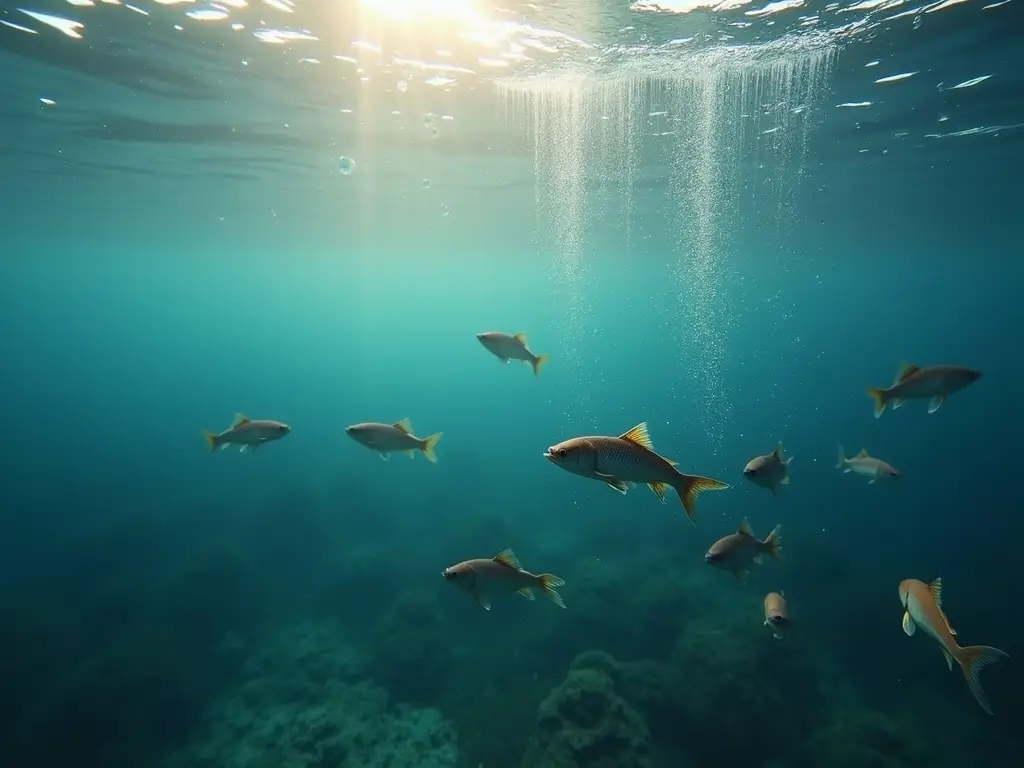
The most productive fishing often occurs during transition periods - not during stable high or low pressure, but during the changes between systems. Studies by the National Weather Service and recreational fishing organizations have identified these "feeding windows" that occur:
- 24-12 hours before a significant pressure drop (approaching front)
- The first 2-3 hours as pressure begins falling sharply
- The first few hours after pressure bottoms out and begins rising
The rate of pressure change matters tremendously. Slow, gradual changes allow fish to adjust comfortably, while rapid changes can temporarily shut down feeding activity as fish reposition and acclimate to new conditions.
When pressure is actively changing, focus on transition zones in the water - areas between shallow and deep water that give fish easy access to different depths as they adjust to pressure changes.
Barometric Pressure Fishing Tips for Different Seasons
Spring
Spring brings frequent, fast-moving weather systems with rapid barometric fluctuations. During this season:
- Be ready to capitalize on brief windows of falling pressure
- After cold fronts (rising pressure), focus on deeper water and slow presentations
- Morning fishing is often more productive than afternoon as pressure stabilizes
Summer
Summer typically brings more stable high pressure systems that can create challenging fishing. During hot months:
- Fish early mornings when pressure is at its daily low point
- Look for subtle pressure drops that might trigger feeding even within stable systems
- Focus on deeper water structures during midday high-pressure periods
Fall and Winter
Fall weather patterns bring more dramatic pressure changes that can create exceptional fishing opportunities:
- Track approaching cold fronts and fish the day before they arrive
- After fronts pass, be patient as it may take 24-48 hours for normal feeding to resume
- In winter, even minor pressure increases can stimulate feeding during otherwise slow periods
According to research from Bassmaster Magazine, anglers who planned their fishing trips around pressure changes rather than just convenient scheduling improved their catch rates by over 60% during fall months.
Essential Tools and Resources for Barometric Pressure Fishing
Modern anglers have numerous tools to track barometric pressure:
- Handheld barometers designed specifically for fishing
- Smartphone weather apps that show pressure trends (not just current readings)
- Fishing-specific apps that correlate pressure with fish activity predictions
- Weather stations for home use that can alert you to significant pressure changes
The direction and rate of pressure change often matter more than the absolute reading. When interpreting barometric readings:
- Normal pressure ranges from 29.60 to 30.50 inHg (1002 to 1033 Mb)
- Readings below 29.60 inHg indicate low pressure
- Readings above 30.50 inHg indicate high pressure
- Changes of 0.20 inHg or more in 24 hours signal significant weather shifts
The National Oceanic and Atmospheric Administration (NOAA) provides free barometric pressure forecasts that can help you plan fishing trips days in advance to coincide with optimal pressure conditions.
Adapting Your Approach to Barometric Pressure
Understanding barometric pressure doesn't just explain those mysterious days when fish seem to disappear - it provides a valuable tool for planning more successful outings. By tracking pressure trends and adjusting your fishing approach accordingly, you can often find success even when other anglers struggle.
Remember, fish have evolved over millions of years to respond to these invisible changes in their environment. When we learn to read these same signals, we align ourselves more closely with the natural rhythms that guide fish behavior.
Next time you're preparing for a fishing trip, check not just the weather forecast but the pressure forecast as well. Those invisible changes in the weight of the air around us might just be the key to your best day on the water yet.
References
American Fishing Association. (2023). "How Weather Affects Fishing." Take Me Fishing. https://www.takemefishing.org/how-to-fish/how-to-catch-fish/how-weather-affects-fishing/
Bassmaster Magazine. (2023). "How to Fish Changing Weather." Bassmaster. https://www.bassmaster.com/how-to-fish-changing-weather/
Field & Stream. (2022). "How Barometric Pressure Affects Fishing." Field & Stream Magazine. https://www.fieldandstream.com/story/fishing/how-barometric-pressure-affects-fishing/
In-Fisherman. (2023). "Barometric Pressure and Fish Behavior." In-Fisherman Magazine. https://www.in-fisherman.com/editorial/barometric-pressure-and-fish-behavior/155178
Journal of Experimental Biology. (2022). "Fish Response to Atmospheric Pressure Changes." Journal of Experimental Biology, 213(19), 3236-3248. https://jeb.biologists.org/content/213/19/3236
National Oceanic and Atmospheric Administration. (2023). "Weather Forecasts and Tools." NOAA. https://www.noaa.gov/weather
National Weather Service. (2022). "Fishing Safety and Weather." Weather.gov. https://www.weather.gov/safety/flood-fishing
University of Florida. (2023). "Fish Behavior and Barometric Pressure." Florida LAKEWATCH. https://www.lakewatch.ifas.ufl.edu/extension/fish-behavior-and-barometric-pressure/