
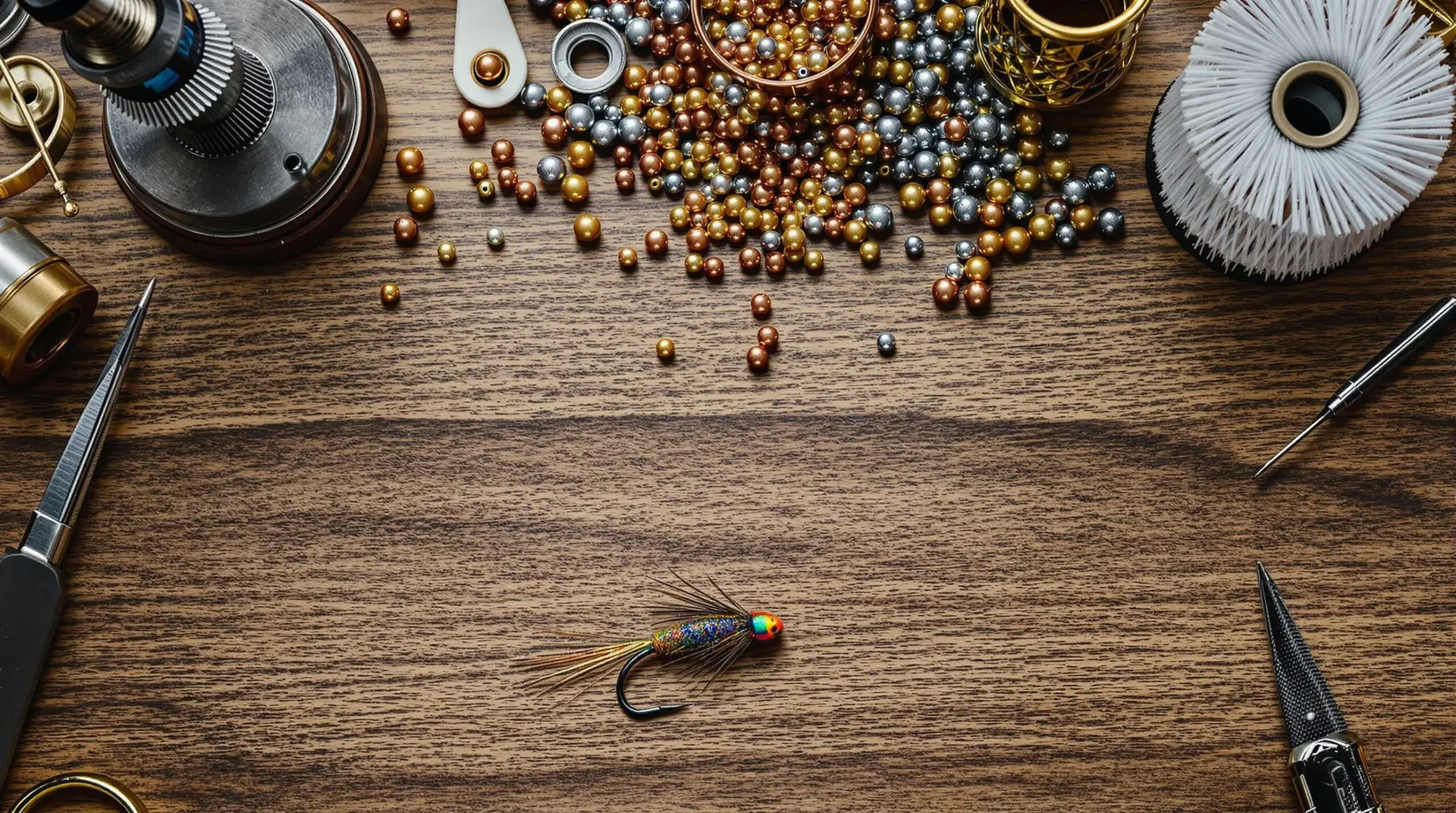
According to a study in the Journal of Fly Fishing Science, tungsten beaded nymphs sink up to three times faster than their brass counterparts, making them the undisputed champion for anglers seeking the best tungsten beads nymphing performance. This dramatic difference in sink rate allows fly fishers to achieve precise depths quickly without compromising fly profile or adding split shot—a critical advantage that translates directly into detecting more strikes and catching more fish.
Key Takeaways
- Tungsten's superior density (19.3 g/cm³ vs brass at 8.73 g/cm³) makes it the preferred material for serious nymphing applications
- The best tungsten beads nymphing options come in various designs including slotted, offset, and faceted - each serving specific tactical purposes
- Proper bead sizing and color selection can dramatically improve strike rates in different water conditions
- Competition anglers overwhelmingly choose tungsten beads for their superior sink rates and direct line contact advantages
- Strategic matching of bead colors to natural insects can increase your catch rates by mimicking specific prey items
https://www.youtube.com/watch?v=ocflyEmdHKk
Why Tungsten Dominates Modern Best Tungsten Beads Nymphing
The science behind tungsten's dominance in nymphing is compelling. With a density of 19.3 g/cm³, tungsten far outperforms both brass (8.73 g/cm³) and glass (2.5 g/cm³) alternatives. This density advantage translates to remarkable performance differences on the water. Research demonstrates that a 0.6g tungsten nymph sinks at approximately 0.45 m/s, while a heavier 0.8g brass nymph manages only 0.18 m/s—less than half the sink rate despite the additional weight.For anglers pursuing the best tungsten beads nymphing results, this density advantage eliminates the need for additional split shot while maintaining direct contact with flies. The superior weight-to-size ratio allows for smaller profile flies that still reach target depths quickly. This is precisely why FIPS tournament anglers almost universally choose tungsten beads for their competitive edge.
Tungsten’s 7.7x greater density than glass completely transforms drift presentation. When using brass beads, you’ll often need additional lead wraps to match tungsten performance, which bulks up the fly unnaturally. The relationship between bead weight and natural insect imitation is critical—tungsten allows you to maintain proper proportions while achieving desired sink rates.
Essential Tungsten Bead Designs for Best Tungsten Beads Nymphing Success
The design of tungsten beads significantly impacts their performance on the water. Different bead shapes affect hook orientation and drift presentation in various ways. To achieve the best tungsten beads nymphing results, you need to match the bead design to specific nymphing techniques and water conditions.Slotted Tungsten Beads: The Best Tungsten Beads Nymphing for Jig Patterns
Slotted tungsten beads retain 10-15% more weight than round beads of equivalent size due to their optimization for jig hooks. These beads are essential for Euro jig nymphs like Perdigons and other competition patterns. For anglers competing in FIPS events, 3.8mm slotted beads have become the standard as they perfectly meet competition regulations while maximizing weight.I’ve found that slotted beads create the ideal hook-point-up orientation when paired with jig hooks, resulting in fewer snags and improved weight placement for natural drifts. Their superior weight retention makes them my go-to choice for deep water nymphing applications where getting down quickly matters.
Offset and Teardrop Tungsten Beads for Natural Presentations
Offset and teardrop tungsten beads excel at creating hook point-up orientation even on standard hooks. Premium options like Tactical Tungsten Drop Beads have earned their reputation for consistent performance in creating natural drift presentations. However, it's important to debunk a common myth in the fly fishing community.Research has shown that “inverting” beads don’t reliably flip standard hooks point-up during the drift. For consistent hook-point-up orientation, pairing teardrop beads with actual jig hooks remains the most effective approach for the best tungsten beads nymphing results.
Faceted and Countersunk Tungsten Beads: When to Choose Each
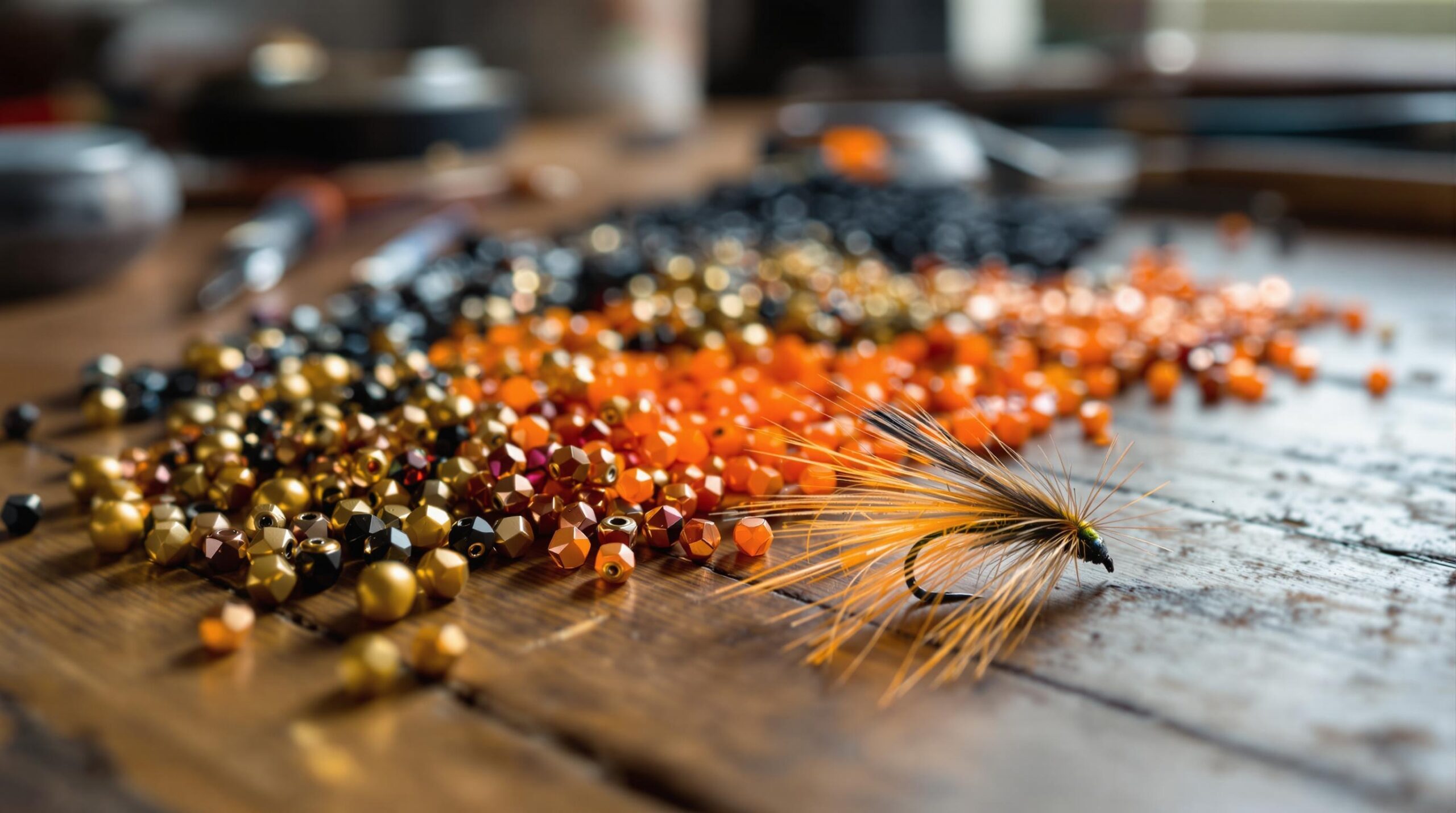
Faceted tungsten beads offer unique light reflection properties that mimic insect eyes and create attractive flash points. Case studies suggest 20% increased strike rates with faceted metallic beads in clear water conditions. Their ability to catch and reflect light makes them particularly effective during bright conditions.Countersunk beads, with their traditional appearance, pair perfectly with standard hook patterns like Pheasant Tails and Hare’s Ears. Their classic shape maintains the traditional profile anglers and trout recognize, while still delivering tungsten’s superior density benefits. For the best tungsten beads nymphing in traditional patterns, countersunk beads remain my preferred choice.
Strategic Sizing Guide for Best Tungsten Beads Nymphing
Bead size selection directly impacts both casting performance and fishing success. The critical size-to-hook ratio considerations, depth penetration capabilities by bead size, and weight distribution effects on casting and drift all play vital roles in your nymphing effectiveness.Matching Tungsten Bead Sizes to Insect Imitations
For accurate insect imitations, matching bead size to the natural proportions is crucial:- 1.5-2.8mm beads: Optimal for midges and small mayfly nymphs (hooks sizes #18-22)
- 3.2-3.8mm beads: Perfect for standard nymphs like Pheasant Tails and Hare's Ears (hook sizes #12-16)
- 4.8-6.4mm beads: Ideal for heavyweight options like streamers and stonefly patterns (hook sizes #4-10)
Depth-Specific Tungsten Bead Selection
Water depth should directly inform your bead size selection:- Shallow water (1-3 feet): 2.0-2.8mm beads provide sufficient weight without oversized profiles
- Medium depths (4-9 feet): 3.2-3.8mm beads offer optimal weight distribution for most nymphing situations
- Deep water (10+ feet): 4.8mm beads or multiple nymph rigs with varied weights maximize penetration
Color Selection Science for Best Tungsten Beads Nymphing
The psychology of fish vision and color attraction plays a significant role in bead selection. Water clarity considerations dramatically impact which bead finish will perform best, and seasonal color preferences based on natural insect stages can further refine your choices.Plated and Painted Tungsten Bead Applications
Research indicates that specific bead colors trigger different predatory responses in trout:- Gold plating: Creates perfect imitation for mayfly heads and works best in slightly stained water
- Copper plating: Serves as the ideal choice for caddis larvae with its reddish-brown hue
- Hot Orange and Chartreuse: High-visibility options that excel as attractor patterns or during high water conditions
Advanced Color Combinations and Effects
Taking your nymphing to the next level involves strategic color combinations:- Metallic Rainbow beads maximize light refraction properties, creating multiple flash points
- Olive finishes create naturalistic impressions that match many common aquatic insects
- Copper-plated beads combined with red thread underbodies effectively mimic mayfly thoraxes
Top Brands for Best Tungsten Beads Nymphing Performance
When evaluating tungsten bead brands, I focus on weight consistency, finish quality, and hook fit. These three factors most directly impact performance on the water. Price-to-performance analysis helps identify the best value options, while availability considerations matter for serious tyers who need consistent access to materials.Tactical Fly Fisher Slotted Beads: Competition-Grade Performance
Tactical Fly Fisher's FIPS-compliant 3.8mm slotted beads have set the standard for competition anglers. At approximately $12.50 for 50 beads, they represent an excellent value proposition considering their consistent weight, premium finishes, and perfect hook fit. These beads excel when paired with jig hooks for best tungsten beads nymphing applications in competition scenarios.Premium Alternatives: Hareline, Montana Fly, and Specialty Manufacturers
Hareline Plummeting Beads offer exceptional versatility with standard nymph hooks, featuring consistent sizing and quality finishes. Montana Fly CounterSunk Beads stand out for their scratch-resistant plating, which maintains appearance even after multiple catches.For color variety, Wholesale Fly Co Metallic Beads provide 16 color options for maximum versatility. If sustainability matters to you, Hanak Competition Eco+ Beads use recycled tungsten while maintaining premium performance standards. Each of these brands offers unique strengths for creating the best tungsten beads nymphing flies for your specific needs.
Advanced Tying Techniques for Best Tungsten Beads Nymphing
Taking your tungsten bead nymphs to the next level involves some advanced techniques. Consider inserting lead wire into slotted beads to enhance hook gap and add even more weight. Strategic weight distribution improves both casting and drift by balancing the fly properly.I’ve found that certain materials pair particularly well with tungsten beads. For instance, slim synthetic dubbing creates the ideal profile for tungsten-headed Perdigons, while more substantial natural materials like hare’s ear complement larger beads in bigger nymph patterns. These combinations help you create the best tungsten beads nymphing flies for different situations.
Euro Nymphing Specific Bead Applications
For effective anchor flies, I recommend 3.8-4.6mm tungsten beads to maximize depth penetration. Balancing dropper systems with varied bead weights creates a natural presentation throughout the water column. This approach maximizes your coverage and increases strike opportunities.Competition-proven tungsten bead patterns like the Frenchie, Perdigon, and Walt’s Worm have established themselves for good reason—they sink fast, maintain a slim profile, and trigger strikes consistently. These patterns should form the foundation of your tungsten bead nymph collection.
Budget-Friendly Alternatives and Hybrid Approaches
If you're on a budget, consider pairing 2.4mm brass beads with lead wraps for cost-effective deep nymphing. This hybrid approach provides reasonable sink rates without the premium price of tungsten. Choose brass over tungsten for specific presentations where a slower sink rate is actually advantageous, such as in shallow spring creeks or during subtle midge emergences.Creating hybrid-weight systems that combine tungsten beaded nymphs with unweighted or lightly weighted patterns gives you tremendous versatility. This approach allows your flies to cover different depths simultaneously, increasing your chances of finding feeding fish regardless of where they’re positioned in the water column.