
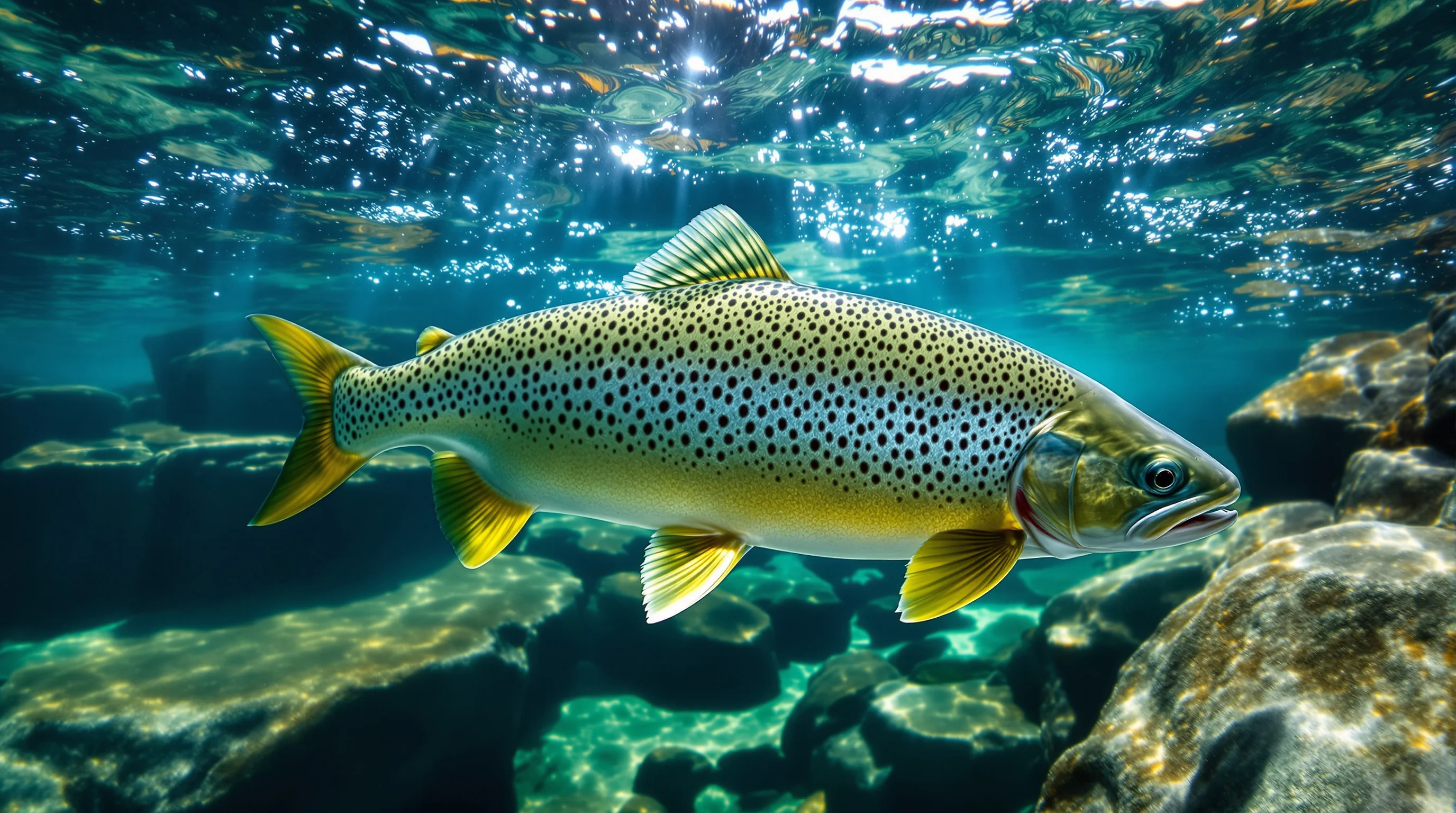
Bull trout carry a distinction few fish on your local river share: a federal protection status that shapes where and how you're allowed to fish for them. In September 2024, the U.S. Fish and Wildlife Service completed a 5-year review and recommended keeping bull trout listed as threatened under the Endangered Species Act (USFWS, 2024).
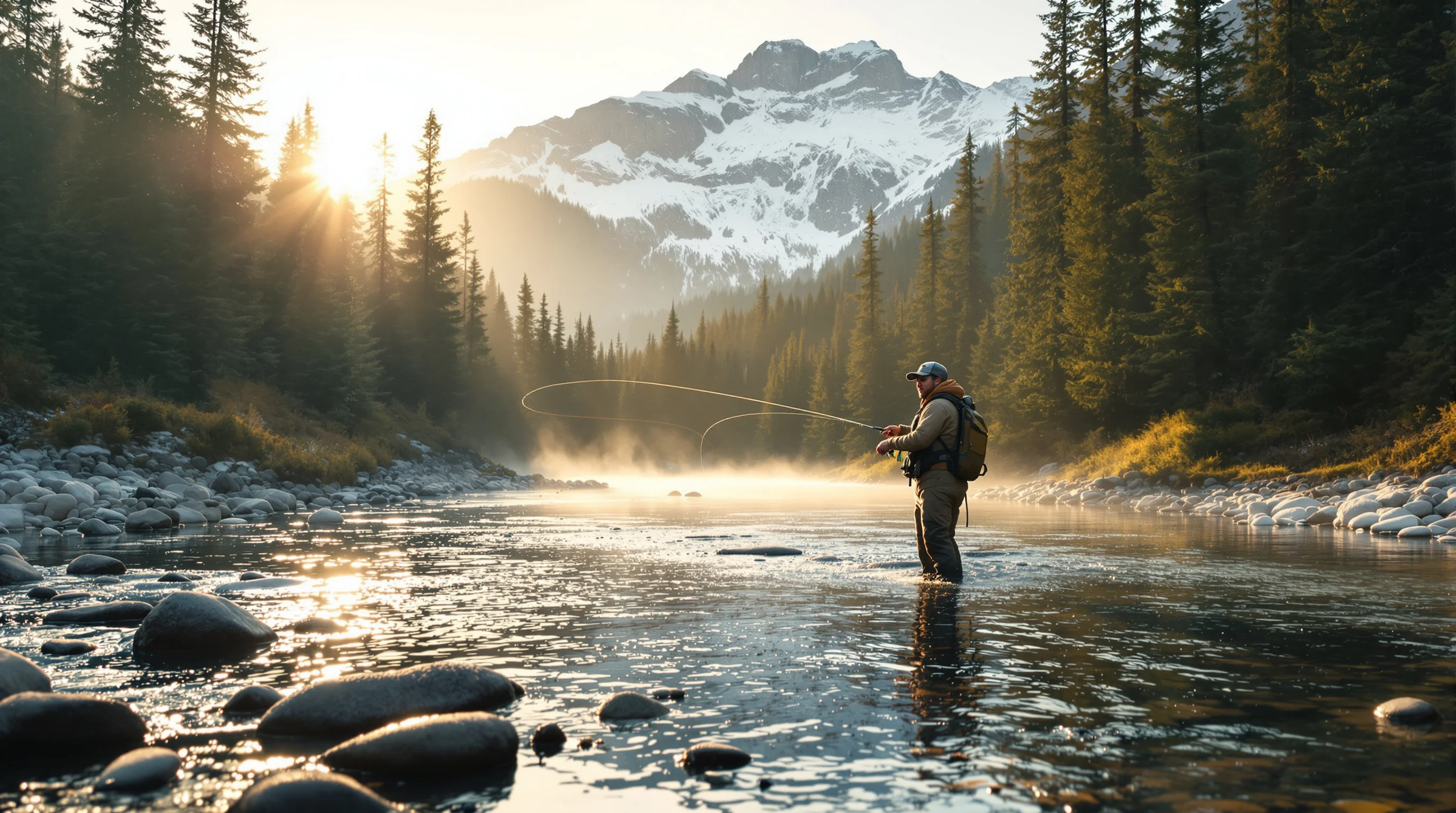
Maybe you've been working a seam on a cold Pacific Northwest river when something heavy and unfamiliar takes the fly. Bull trout are not a typical trout to chase or keep. They are a protected char that calls for quick recognition and a careful release, and Washington places that responsibility on each angler (WDFW).
This guide covers how to identify bull trout, why they're protected, where they live, and how to handle and release one. Check current WDFW rules before every trip.
Quick Answer: Bull trout are a cold-water char of the Pacific Northwest and western Canada, listed as threatened under the US Endangered Species Act. They have pale spots on a dark olive body, white leading edges on the ventral fins, and no black spots on the dorsal fin. Washington allows legal angling for them only in specific reaches.
Definition: Bull trout are a char native to cold Pacific Northwest and western Canadian waters, distinguished by pale spots on a dark body and federally protected as a threatened species.
Key Evidence: According to Washington Department of Fish and Wildlife, "most of their populations across the state are listed as 'threatened' by the federal Endangered Species Act."
Context: These rules are reach-specific and can change, so the current WDFW regulations pamphlet is the only reliable guide to where and when bull trout fishing is legal.
When anglers learn to identify the fish and release it correctly, fewer die from mishandling, and the fisheries that remain open stay open.
Key Takeaways
- Char family: Bull trout are a char and close relatives of lake trout and brook trout (WDFW).
- Spot pattern: Bull trout show pale spots on a dark body with no black spots or lines on the dorsal fin (Montana FWP, 2023).
- Threatened status: The USFWS kept the threatened listing in place in 2024.
- Keep it wet: In Washington waters closed to bull trout fishing, the fish must stay in the water and be released immediately.
- Check the rules: Read the current WDFW pamphlet before every trip, since legal waters shift by reach.
How to Identify Bull Trout
Bull trout are a char, closely related to lake trout and brook trout rather than rainbow or cutthroat trout (WDFW).
WDFW describes the back and sides as olive-green with pale spots about the size of the eye's pupil. The head and mouth are large, and the ventral fins carry white leading edges. The Montana identification guide adds more checkpoints: no black spots or lines on the dorsal fin, pink, yellow or orange spots on the sides, white leading edges on the fins, and a slightly forked tail (Montana FWP, 2023).
Size varies widely with life history. Some bull trout spend their lives in small streams and stay small, while others migrate to larger rivers, lakes, or reservoirs before returning to spawn. Maximum length runs from 10 to 12 inches up to more than 30 inches, with most fish averaging 12 to 20 inches (WDFW).
Telling Them Apart From Dolly Varden and Brook Trout
Spot color alone can't confirm a bull trout, because lake trout and brook trout also have light spots on a dark body (WDFW).
- Dolly Varden: Washington regulations group "Dolly Varden/bull trout" together under identical handling rules.
- Brook trout: Check all the Montana guide's features together, not any single mark alone.
- When unsure: Keep the fish in the water and release it without delay.
Threatened Status and Pacific Northwest Range
The USFWS lists the coterminous U.S. population of bull trout as threatened. The original listing dates to 1999, and the 2024 review recommended no change (USFWS, 2024). USFWS names climate impacts, past and current habitat damage, and the expanding range of non-native fish as remaining threats.
About 80% of the bull trout's range lies in Canada. That range has narrowed over the last century, particularly in the U.S. and Alberta, where populations are now more fragmented and isolated (COSEWIC, 2025). In Washington, most populations carry the federal threatened designation (WDFW).
Field data bears this out. In 88 upper Columbia River Basin populations, most "had relatively low abundances (<20 redds annually) and were either stable or declining," according to a U.S. Geological Survey study from 2018. A separate watershed study found that site abandonment probability (0.36) outpaced colonization probability (0.13), with abandonment concentrated at warm, low-elevation sites (Eby et al., 2014). The authors note the regional extent of these declines remains unknown, so this reflects one watershed rather than the whole range.
Angling pressure plays a role too. An Alberta recovery case study identified sedimentation and angling effort as the threats most likely limiting that population (MacPherson et al., 2023). For a river where bull trout and steelhead share the water, see our guide to fly fishing the Skagit River.
Bull Trout Fishing Rules and Catch-and-Release Handling
Bull trout fishing rules narrow legal opportunity to specific stretches of water. In Washington, "legal angling for them is only in the above-mentioned rivers in the specific reaches described in the regulations pamphlet" (WDFW). This article names no waters, so check the current WDFW regulations pamphlet before you plan any trip.
In waters closed to bull trout fishing, a hooked fish "must not be taken out of the water. They must be de-hooked and immediately released" (WDFW). Montana shows how strict rules can get: waters outside named fisheries are closed to intentional bull trout fishing, and anglers need a Bull Trout Catch Card specific to the water they fish (Montana FWP). Fees, limits, and dates change, so take them from the agency directly.
- Single, barbless hooks: Play the fish as quickly as possible to limit exhaustion.
- Stay in the water: Never squeeze the fish or touch the gills.
- Wait for equilibrium: Release in quiet water near where it was caught.
WDFW also recommends wetting your hands first to protect the fish's slime coat, and notes that bull trout will take flies resembling baitfish. Notice how the fish behaves during the fight and release. Our breakdown of fish stress indicators is worth a read before your next trip.
Photos and Deeply Hooked Fish
The most common release mistakes happen at the camera and the hook.
- Photos: One study found 33% post-release mortality when bull trout were photographed and measured for one to two minutes (Joubert et al., 2020, cited in Montana FWP, 2023).
- Deep hooks: Cut the line, leaving about an inch of leader. Leave the hook in place rather than pulling it out.
Why Bull Trout Protection Matters
The species is slow-growing and late-maturing, so losing even a few fish to poor handling sets a population back. Anglers who identify, handle, and release bull trout correctly help keep reach-specific fisheries open for everyone who fishes behind them.
Conclusion
Identify bull trout by their pale spots on a dark olive body, the white leading edges on the ventral fins, and an unmarked dorsal fin. The fish remains federally threatened, so every release should be fast and happen without leaving the water. Read the current WDFW regulations before each trip, and review our guide to fish stress indicators so you can tell when a fish needs extra time to recover. A little preparation keeps bull trout waters open, one careful release at a time.