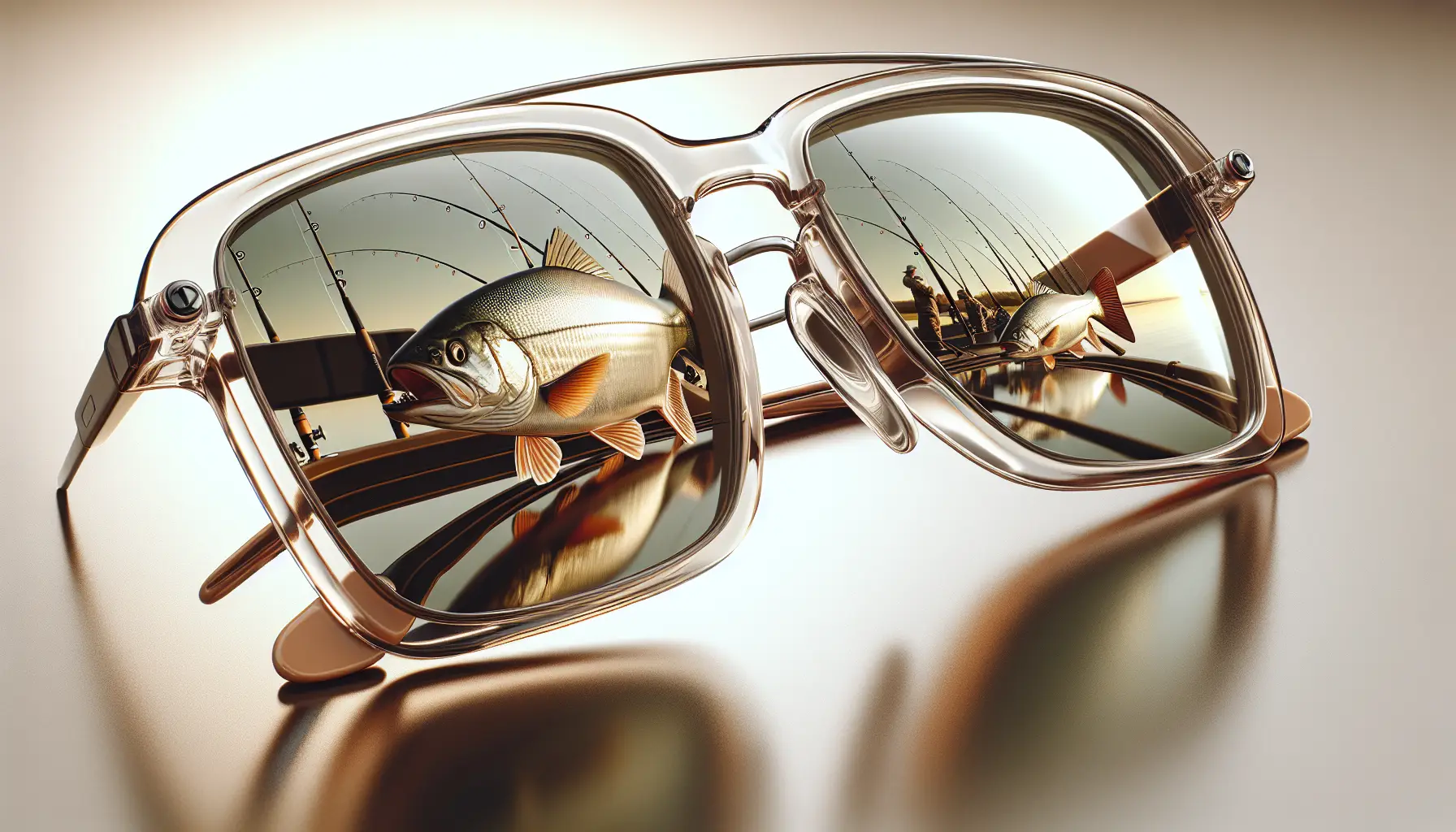
Best Polarized Glasses for Spotting Selective Fish
Richard French·
Understanding Polarized Glasses
Benefits of Polarized Lenses
Polarized shades are a game-changer for folks who fish. Built with a nifty filter, these specs chuck out that pesky horizontally polarized light, killin' the glare and boosting clarity so you can see better all around (American Optical Eyewear). Perfect for fishing since those shiny water reflections can mess with your vision. By zapping the harsh reflections, you can peep beneath the surface, scope out fish, and find underwater goodies like a boss.
Benefits
Description
Less Glare
Ignores sideways bright light, be gone reflections!
Picture Perfect
See fishies and watery stuff plain as day.
Clearer Waters
Spot every ripple and ripple-maker like a pro.
These glasses are a fishing must-have, helping you read the water, pick out those sneaky fish, and even spot dry flies and stream bottoms. With less glare, your line casts spot-on, and you catch more fish.
How Polarized Glasses Work
These lenses kick reflections from above the water to the curb, slashing unpolarized light intensity by half (Legend Boats). It's all about a special filter that grabs horizontal light and lets vertical waves slip on through. This trick reduces or wipes out glare, making it easier for your eyes to pierce through the water.
Here’s a simple breakdown of how polarized lenses do their magic:
| Unpolarized Light = All Directions |
| Polarized Light (Less Glare) = Straight Up |
Knowing how the tech works, any angler gets why you wanna snag some quality polarized sunglasses. They don’t just help you see and feel better—they give you the upper hand in spotting slippery fish and getting the most out of the water.
Feature
Description
Filter Style
Stops horizontal light cold
Light Waves
Nabs horizontal, lets vertical cruise on
Sweet Spot
Kicks glare, sharpens underwater view
Choosing the Right Fishing Glasses
Picking the perfect fishing glasses can make your fly-fishing trip way better by cutting glare and boosting your view. When eyeballing polarized fishing glasses, keep an eye on two big things: lens color and what they're made of.
Picking the Ideal Lens Color
The lens color really changes how you see things out there, especially when you're trying to spot sneaky fish in weird water. Check out these crowd-favorites:
Amber Lenses: Everybody loves amber lenses for fishing. They're like your all-day, any-day buddies, killing it under different lights by making everything super clear, especially when you’re trying to read the water (Troutbitten).
Grey Lenses: When it's sunny and bright, grey lenses are your go-to. They cut down on all that blinding light but can make it tough during cloudy moments (Legend Boats).
Yellow/Gold Lenses: Offering a great depth view and contrast when it's gloomy or the sun's barely up. Handy for when the weather's all over the place.
Green Lenses: Balancing contrast and reducing that glare, these work a treat in medium to bright light.
Lens Color
Benefits
Best Used In
Amber
High contrast, versatile in all situations
All light conditions
Grey
Cuts glare, perfect for sunny conditions
Sunny days
Yellow/Gold
Boosts depth sense when it's dark
Low-light conditions
Green
Even contrast and glare reduction
Medium to bright light
Evaluating Lens Material and Durability
The stuff lenses are made from is just as important when fishing for both comfort and quality. Here's a quick peek at typical materials:
Glass Lenses: They’re the real deal when it comes to clarity and scratch-free goodness. But they might weigh a bit more and feel less cozy if you're out there casting all day (Troutbitten).
Plastic Lenses: Plastic lenses keep it light and flexible for long hours. While they might miss a smidge on clarity, today's tech has these nearly catching up and they’re tough against impacts.
Polycarbonate Lenses: These lenses are the tank of the plastic world, extra sturdy and impact-proof. They’re the first choice for anglers who want something rugged and safe when things get wild.
Lens Material
Benefits
Considerations
Glass
Top clarity, scratch-resistant
Heavier, might get annoying
Plastic
Light, impact-resistant
Not as crisp as glass
Polycarbonate
Super tough, takes hits like a champ
Less sharp optics
Selecting the right lens color and material lets anglers pick glasses that fit them just right. This makes fishing way more comfortable and gets you catching more fish (American Optical Eyewear).
Top Fishing Sunglasses Brands
So, you're off to catch some fish, right? Grabbin' the right pair of sunglasses isn't just about lookin' cool – it’s about spotting that sneaky fish hiding under the glare. Let’s chat about a few of the best brands out there: Wiley X, Costa Del Mar, Smith Optics, and Maui Jim.
Wiley X and Costa Del Mar
Wiley X
Wiley X is all about their Polarized CAPTIVATE™ lenses. These babies got the magic touch, making colors pop so you can see fish among the weeds. It's perfect when you're trying to outsmart fish playing hide and seek in water plants (Wiley X).
Feature
What's in Store
Lens Tech
Polarized CAPTIVATE™
Colors Enhanced
You bet!
Best Use
Scouting in veggie-rich waters
Costa Del Mar
Costa Del Mar’s got a lineup for all kinds of fishing – be it early dawn or a blazing sunset by the sea. Their lenses tackle ocean glare like a pro, so you can focus on your catch, not squinting (Discover Boating).
Feature
What's in Store
Lens Options
Offshore, Inshore, Sunrise, Sunset
Glare? Gone!
Absolutely
Best Use
A mix of fishing spots
Smith Optics and Maui Jim
Smith Optics
Smith Optics’ Guide’s Choice glasses are tough cookies – scratch-resistant lenses mean they’re built to last. Plus, they come with a leash, so they won't go for a swim without you.
Feature
What's in Store
Lens Tech
Scratch-resistant, Polarized
Toughness
Super strong!
Bonus Bit
Includes detachable leash
Maui Jim
Maui Jim's Southern Cross glasses have neutral gray lenses for sharp contrast – great for spotting fish in the shallows. And they're light too, with SuperThin Glass that weighs less than the usual stuff.
Feature
What's in Store
Lens Tech
Neutral Gray, SuperThin Glass
Weight
Light as a feather – 20%-32% less!
Best Use
Spying fish in low waters and under surfaces
With all these details on their side, those who live for reeling in a good catch can find their perfect shades without breaking a sweat. Select the right pair and you're on your way to catching that trophy fish!
Advanced Features and Considerations
Impact Resistance and UV Protection
When you're gearing up for a day out on the water, picking the right polarized sunglasses is like choosing teammates for an epic fishing trip. You want durability—those sunnies need to take a beating from flying debris, rogue hooks, or even unexpected dips without missing a beat. Brands like Wiley X and Costa Del Mar are like the superheroes of the sunglasses world, tough as nails and ready to roll with the punches.
But, let us not forget about UV protection—seriously, don’t. Prolonged sun exposure can mess with your peepers in the long run (think cataracts and macular degeneration). So, aim for sunglasses that block out 100% of UV rays, giving your eyes the VIP treatment they deserve.
So you need corrective lenses? No problem. Plenty of brands have you covered with prescription polarized shades. Say goodbye to the glare without sacrificing clear vision—it's like hitting two fish with one cast.
Frames are like the outfit choice of the face—get it wrong, and you’re just uncomfortable all day. Look for lightweight styles that won’t slide down your nose when you’re reeling in the big one. Wrap-around designs are a favorite since they cut out side glare, almost like a hug for your eyes. Bonus comforts like rubber grips and adjustable nose pads are your best friends.
Check out different frame designs with their perks:
Frame Design
Features
Wrap-Around
Extra coverage, deflects side glare
Ergonomic
Rubber grips, comfy nose pads
Sporty
Feather-light, stays put
Classic
Old reliable, comfort champion
By zeroing in on these features, folks can snag sunglasses that not only look cool but actually work as hard as they do. Enjoy the game-changing benefits and peace of mind while you're out there catching the next big story for your buddies back home.
Retired C-suite technology executive, competitive GT race car driver, and lifelong fly fisherman. Richard writes about fly fishing gear, technique, and destinations from decades of experience on the water.
This site uses cookies for analytics. By continuing to use this site,
you accept our use of cookies.
Privacy Policy