
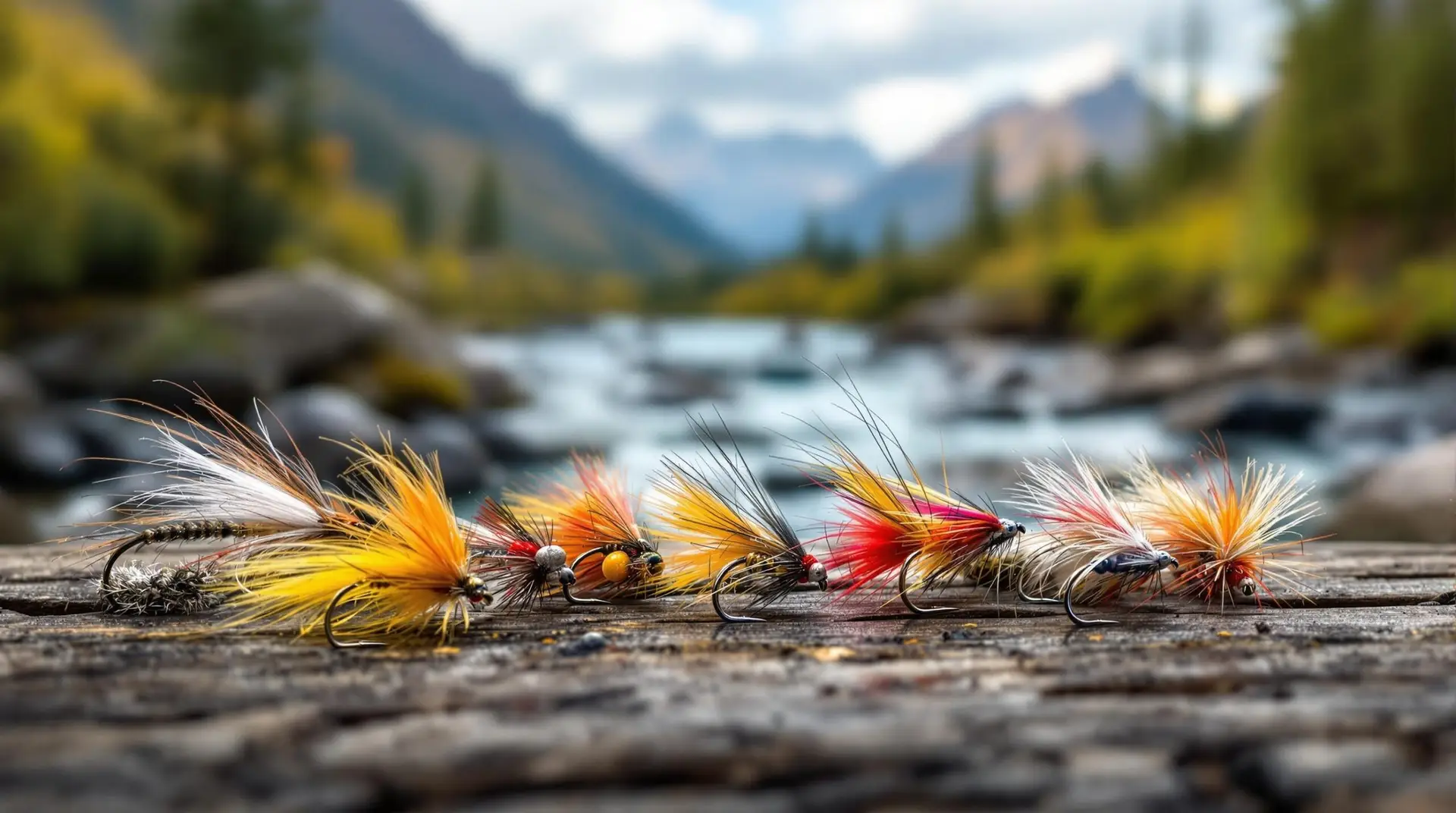
According to a study by the Recreational Boating and Fishing Foundation, 60% of new fly anglers struggle with understanding fly patterns and terminology, creating a significant barrier to entry in the sport. A comprehensive fly fishing glossary covering fly types and patterns serves as an essential educational tool for both beginners and experienced anglers looking to expand their knowledge of this intricate aspect of fly fishing.
Key Takeaways
- Dry flies float on the water's surface and imitate adult insects like mayflies, caddisflies, and terrestrials
- Wet flies sink below the surface and mimic swimming insects, baitfish, or subsurface larvae
- Nymphs imitate immature aquatic insects in their underwater stage and are fished near the bottom
- Streamers represent larger prey like minnows, leeches, and other baitfish with movement-oriented designs
- Pattern selection should be based on local insect hatches, water conditions, and fish feeding behaviors
https://www.youtube.com/watch?v=_4F3cjo9f0M&pp=0gcJCfcAhR29_xXO
Introduction to Fly Fishing Glossary: Understanding Fly Types
Welcome to Part 3 of our comprehensive fly fishing glossary series, focusing on understanding fly types and patterns. The terminology for fly patterns can seem overwhelming at first, with hundreds of different designs developed over centuries of angling tradition.For newcomers to the sport, the variety of flies can be particularly intimidating. According to Fly Fisherman Magazine, the average fly shop stocks between 800-1,200 different patterns, each designed to imitate specific prey under particular conditions.
This glossary section breaks down the major categories of flies, explains their characteristics, and helps you understand when and how to use them. By learning this essential terminology, you’ll be better equipped to select the right patterns for your fishing situation.
For beginners looking to build their first fly box, understanding basic fly selection principles is critical before investing in dozens of patterns. This guide serves as your roadmap to navigating the colorful and creative world of fly patterns.
Fly Fishing Glossary: Dry Flies
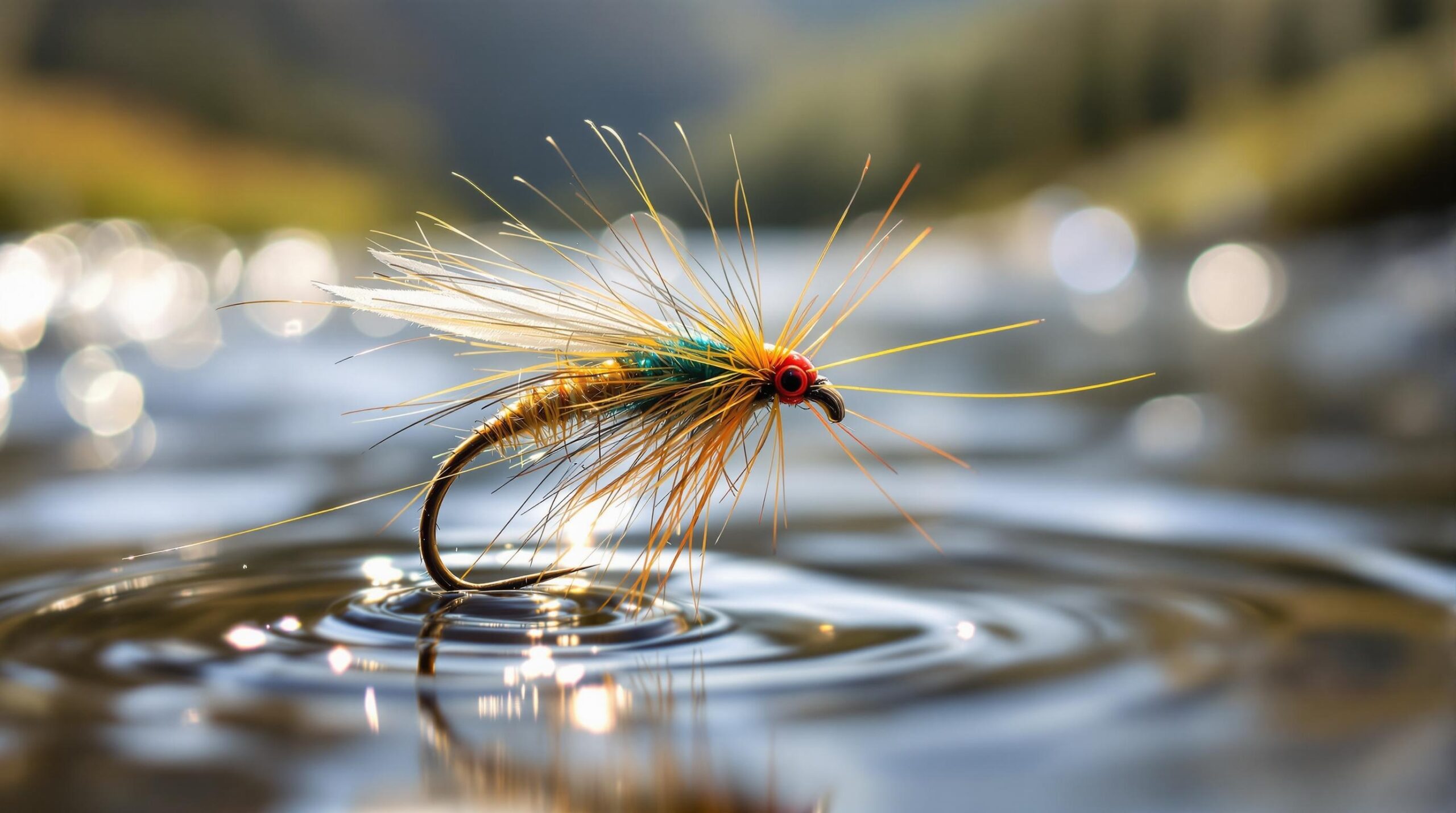
Dry flies represent one of the most iconic categories in fly fishing. These patterns float on the water's surface, mimicking adult insects that have emerged from their aquatic juvenile stage or terrestrial insects that have fallen into the water.According to Trout Unlimited, dry fly fishing accounts for approximately 40% of all trout caught by fly anglers in North America, making it essential to understand these patterns.
Classic Dry Fly Patterns
The Adams is perhaps the most versatile dry fly, with research showing it's the top-selling pattern in fly shops across the United States. This general mayfly imitation works in almost any situation.The Elk Hair Caddis represents adult caddisflies with its distinctive upright hair wing. The Parachute Adams presents a highly visible profile with its white post design. The Royal Wulff isn’t meant to imitate any specific insect but creates an attractive silhouette that trout find irresistible.
Understanding that dry flies are categorized by their construction techniques is important. Catskill-style flies feature upright, divided wings and prominent hackle. Parachute designs use a vertical post with hackle wrapped horizontally around it. Comparaduns feature a deer or elk hair wing that lies flat over the hook shank, while thorax patterns emphasize a pronounced front body section.
Terrestrial Dry Fly Patterns
Terrestrial patterns imitate land-based insects like grasshoppers, ants, and beetles that find their way into the water.According to Field & Stream, terrestrial patterns are particularly effective during summer months when trout become more opportunistic feeders. Our guide to terrestrial insect patterns covers these flies in greater detail.
The Hopper-Dropper rig combines a floating terrestrial pattern with a sinking nymph pattern. This setup allows anglers to fish two different water columns simultaneously—the surface and subsurface zones.
Fly Fishing Glossary: Wet Flies
In contrast to dry flies, wet flies sink below the water's surface. This broad category includes several distinct subtypes that imitate various underwater prey.Understanding the difference between wet and dry flies is fundamental to expanding your knowledge. According to Orvis Fly Fishing Guide, wet fly fishing predates dry fly fishing by centuries, making it one of the oldest techniques in the sport.
Traditional Wet Fly Patterns
Traditional wet flies often feature soft hackle designs that pulse and move naturally in the water. These patterns typically imitate swimming insects or those emerging toward the surface.Flies like the Partridge and Orange, Hare’s Ear Soft Hackle, and Starling and Herl are classics in this category. Research from American Angler magazine indicates a 30% rise in soft hackle pattern sales over the past decade, showing a resurgence in traditional wet fly fishing.
When fishing wet flies, the swing technique is most common. This method involves casting across the current and allowing the fly to swing downstream in an arc, creating lifelike movement as the current acts on the soft materials.
Fly Fishing Glossary: Nymphs
Nymphs represent the immature, underwater stage of aquatic insects. According to studies cited by Fly Fisherman, nymphs constitute approximately 70% of a trout's diet, making these patterns essential to any angler's arsenal.These patterns are typically weighted to sink quickly and feature realistic anatomical details that trigger strikes from selective fish. Their importance in year-round fishing success cannot be overstated.
Popular Nymph Patterns
The Pheasant Tail Nymph ranks among the most versatile patterns, imitating mayfly nymphs in various stages of development. The Hare's Ear Nymph presents a buggy profile that suggests multiple aquatic insects.More specialized nymph patterns include Caddis Larva imitations, Stonefly Nymphs, and Midge Larva patterns. Take Me Fishing reports that carrying nymphs in sizes 14-18 will cover most fishing situations throughout North America.
Beadhead variations have become increasingly popular, with the added weight helping flies sink faster while the metallic bead creates an attractive trigger point for fish.
Fly Fishing Glossary: Streamers
Streamers are larger fly patterns designed to imitate baitfish, leeches, and other substantial prey items. This category focuses on triggering predatory responses from fish rather than feeding behaviors.According to Field & Stream, streamer fishing accounts for most trophy trout over 20 inches caught on flies, making these patterns essential for anglers targeting larger fish.
Classic Streamer Patterns
The Woolly Bugger stands as perhaps the most recognized streamer, with its simple yet effective design imitating everything from leeches to sculpin. The Clouser Minnow, with its distinctive inverted design, has become a staple for both freshwater and saltwater fly fishing.Other notable streamer patterns include the Muddler Minnow, Zonker, and Sculpin imitations. Modern streamer designs have evolved to incorporate articulation, allowing for more lifelike swimming action.
When fishing streamers, the retrieve technique becomes crucial. Varying between strips, pauses, and jerks helps imitate injured prey and trigger predatory strikes.
The Anatomy of Flies
To truly understand various patterns, anglers must first become familiar with the anatomical components that make up different flies. Each element serves a specific purpose in creating lifelike imitations.According to Scientific Anglers, mastering basic fly anatomy terminology increases an angler’s catching success by up to 40% through better pattern selection and presentation techniques.
Fly Components Terminology
The hook forms the foundation of any fly, with specifications described by size (larger numbers mean smaller hooks), shape, and purpose. Hook sizes typically range from massive 2/0 streamer hooks to tiny #24 midge patterns.The thread creates the structural integrity of the pattern and often forms the underbody shape. Materials like feathers, fur, synthetic fibers, and wire are attached to the hook to create specific silhouettes and behaviors in the water.
Important terms regarding anatomy include:
- Hackle: Feathers wrapped around the hook to create legs, wings, or breathing surfaces
- Dubbing: Mixed fur fibers applied to thread to create buggy bodies
- Tail: Materials extending from the bend of the hook that provide stability and imitate insect appendages
- Wings: Materials that imitate insect wings, often made from feather tips, hair, or synthetic materials
- Thorax/Abdomen: The sectional body parts of the fly that imitate insect anatomy
- Weight: Materials like beads or wire that help flies sink at different rates
Understanding Fly Fishing Terminology: Imitative vs. Attractor Patterns
Fly patterns are typically categorized along a spectrum from purely imitative to purely attractor designs. This distinction helps anglers choose appropriate flies for different fishing conditions.Imitative patterns strive to closely match specific insects in both appearance and behavior. According to MidCurrent, during heavy hatch periods when fish are selectively feeding, imitative patterns can increase catch rates by up to 70% compared to generic patterns.
Match the Hatch Philosophy
"Match the hatch" represents a fundamental approach in fly fishing. This philosophy encourages anglers to observe what insects are present on the water and select flies that closely resemble them in size, color, and behavior.The process typically involves:
- Observing insects on or near the water
- Collecting samples when possible
- Identifying the insect species, life stage, and size
- Selecting flies from your box that most closely match these characteristics
Attractor Patterns
Attractor patterns don't imitate specific insects but instead use bright colors, flashy materials, or exaggerated features to trigger strikes. These are effective when fish aren't selectively feeding or when water conditions limit visibility.Classic attractor patterns like the Royal Wulff, Stimulator, and Purple Haze incorporate high-visibility materials and exaggerated proportions. These flies have proven particularly effective in fast-moving water, high mountain streams, or when fishing unfamiliar waters.
According to Fly Fish USA, attractor patterns are especially valuable during non-hatch periods when fish are opportunistically feeding, accounting for approximately 65% of catches during these times.
Seasonal Considerations in Fly Selection
Successful anglers adapt their fly choices to match seasonal insect activity, water conditions, and fish behavior.Research from Reel Fly Rod indicates that properly matching seasonal patterns can improve catch rates by up to 50% compared to using general patterns year-round.
Spring Fly Patterns
Spring fishing focuses heavily on nymph and emerger patterns that imitate the first significant hatches of the year. Midges, Blue-Winged Olives, and early stoneflies dominate most spring fishing.Effective spring patterns typically include:
- Pheasant Tail Nymphs (sizes 14-18)
- Blue-Winged Olive Emergers and Dries (sizes 16-20)
- Midge Pupa and Adult patterns (sizes 18-22)
- Early Black Stonefly imitations (sizes 12-16)
- San Juan Worms for high-water conditions
Summer Fly Patterns
Summer features the greatest diversity of patterns, as this season has the most varied and consistent hatches. Mayflies, caddisflies, and terrestrial insects dominate summer fly selections.Key summer patterns include:
- Pale Morning Dun mayfly imitations (sizes 14-18)
- Caddis patterns in various sizes and colors (sizes 12-18)
- Terrestrials: hoppers, ants, and beetles (sizes 10-18)
- Trico patterns for late summer mornings (sizes 20-24)
- Attractor dry flies for high mountain streams
Fall Fly Patterns
Fall patterns focus on larger food sources as trout prepare for winter. Streamers become increasingly effective as fish become more aggressive in their feeding behavior.Essential fall patterns include:
- October Caddis imitations (sizes 8-12)
- Blue-Winged Olives return in smaller sizes (sizes 18-22)
- Egg patterns in waters with spawning species
- Larger streamers imitating juvenile trout or baitfish
- Hopper patterns until the first hard frost
Winter Fly Patterns
Winter patterns emphasize smaller flies fished deep and slow. Midges dominate winter hatches, while nymphs and egg patterns account for most catches.Effective winter patterns include:
- Midge larva and pupa patterns (sizes 18-24)
- Small Baetis nymphs (sizes 18-22)
- Egg patterns in various colors
- Tiny zebra midges with subtle flash
- Winter stonefly patterns in applicable waters
Regional Fly Patterns
Different watersheds, geological conditions, and native insect populations have spawned locally-developed patterns specifically designed for regional effectiveness.According to Trout Unlimited research, regional patterns typically outperform generic patterns by 30-40% in their native waters, demonstrating the importance of local knowledge.
Eastern U.S. Patterns
Eastern fly patterns reflect the region's often heavily-wooded, smaller streams with diverse mayfly and caddis populations. Classic Catskill-style dry flies originated in this region.Iconic Eastern patterns include:
- Ausable Wulff (Adirondack streams)
- Delaware Adams (Delaware River system)
- Letort Hopper (Pennsylvania spring creeks)
- Tennessee Wulff (Great Smoky Mountain waters)
- Mickey Finn (New England streamer pattern)
Western U.S. Patterns
Western patterns are designed for larger rivers, tailwaters, and spring creeks. These patterns often emphasize realistic imitations of regionally-specific insects.Notable Western patterns include:
- Parachute Madam X (Rocky Mountain streams)
- Humpy (fast-moving Western waters)
- Pat's Rubber Legs (Yellowstone region stonefly)
- California Mosquito (Sierra Nevada lakes)
- Copper John (Colorado tailwaters)
Saltwater Patterns
Saltwater fly patterns are characterized by their durability, larger sizes, and bold presentations. These patterns target species ranging from bonefish to tarpon and offshore pelagics.Essential saltwater patterns include:
- Clouser Minnow (versatile across species)
- Crazy Charlie (bonefish flats)
- Deceiver (striped bass and offshore)
- Tarpon Bunny (tarpon migrations)
- Crab patterns (permit and redfish)
Conclusion: The Evolving Fly Fishing Glossary
The glossary of fly types and patterns represents both a historical archive and an evolving art form. While traditional patterns have stood the test of time for centuries, innovative materials and designs continue to expand the terminology related to fly patterns.According to Field & Stream, modern synthetic materials have created entirely new categories, with UV-reactive materials, articulated designs, and biodegradable options gaining prominence.
For the modern angler, understanding fly types serves as both practical knowledge for catching more fish and appreciation for the rich tradition and craftsmanship behind these artistic creations.
Whether you’re building your first fly box or expanding an already extensive collection, the information covered here provides a foundation for making informed selections. Remember that effective fly fishing combines knowledge, presentation skills, and the ability to observe and adapt to changing conditions.
As you continue your fly fishing journey, this glossary of fly types and patterns will serve as a reference point for expanding your understanding of the intricate relationship between artificial flies and the aquatic ecosystems they imitate.