
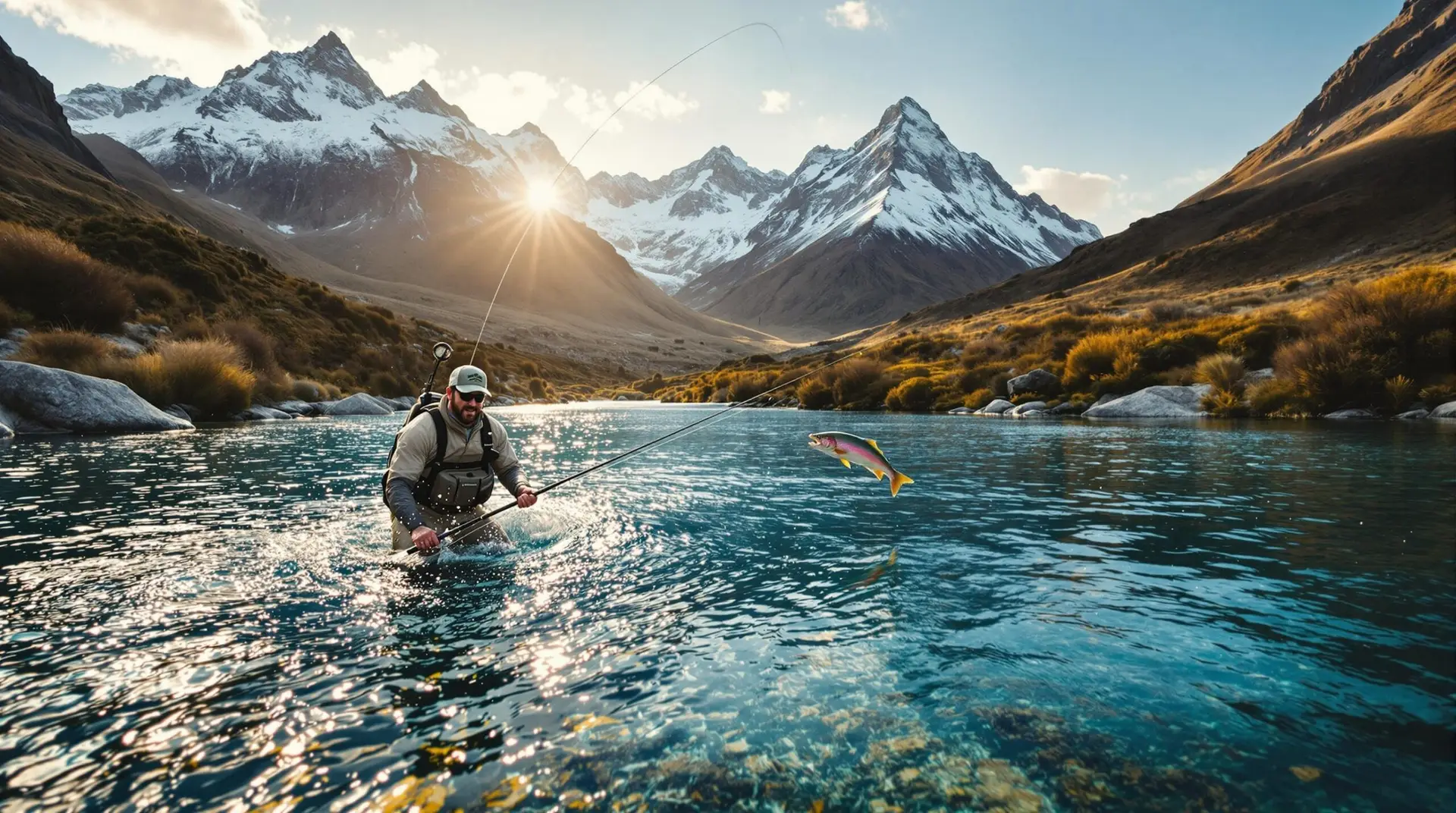
Picture this: you’re standing waist-deep in crystal-clear water, watching a 20-inch rainbow rise to your perfectly drifted dry fly while snow-capped peaks tower overhead. This isn’t a dream—it’s a typical day on the water in Patagonia Argentina, where over 100 days of exceptional fly fishing await from November through May. Here, anglers consistently land rainbow and brown trout averaging 8 to 10 pounds, with 20-pound fish caught weekly at specialized destinations. From volcanic-fed rivers in the north to sea-run browns in Tierra del Fuego, this vast territory offers world-class dry fly action and sight fishing opportunities that have drawn anglers for generations.
Quick Answer: Fly fishing in Patagonia Argentina centers on three premier zones: Northern Patagonia’s Río Chimehuin and Río Malleo for dry fly fishing, Lago Strobel for trophy rainbows averaging 8-10 pounds, and Río Grande in Tierra del Fuego for sea-run brown trout reaching 20 pounds during January through March.
Definition: Fly fishing in Patagonia Argentina is the pursuit of wild rainbow and brown trout across diverse waters ranging from technical spring creeks to powerful freestone rivers, offering consistent opportunities for trophy fish in pristine wilderness settings.
Key Evidence: According to Yellow Dog Flyfishing, Jurassic Lake Lodge on Lago Strobel offers consistent fishing for large rainbow trout averaging 8 to 10 lbs, with fish over 20 lbs caught every week.
Context: This combination of diverse water types and trophy potential establishes Patagonia as one of the world’s premier fly fishing destinations.
Fly fishing in Patagonia Argentina is not just another destination—it’s where wild trout reach extraordinary sizes in pristine waters that remain largely unpressured. The region’s cold, oxygen-rich waters and diverse ecosystems create ideal conditions for wild trout to thrive and grow to exceptional sizes. The volcanic influences, varied water types, and extended seasons combine to produce prolific hatches and feeding opportunities that keep fish active and eager. Maybe you’ve experienced those frustrating days where every cast feels perfect but the fish just won’t cooperate—that rarely happens here, where consistent action across multiple techniques keeps your rod bent from morning until evening.
Key Takeaways
- Extended season flexibility: Northern Patagonia offers over 100 days of varied dry fly fishing from November through May, providing exceptional planning flexibility around hatches and peak conditions
- Trophy consistency: Lago Strobel produces 20-pound rainbows weekly with remarkable reliability, establishing it as one of the world’s most dependable trophy fisheries
- Historic reputation: Río Chimehuin established Patagonia’s sterling reputation over 70 years ago through Joe Brooks’ legendary “Boca Fever” story, cementing its place in fly fishing culture
- Diverse techniques: Waters range from technical spring creeks requiring delicate presentations to aggressive streamer fishing on powerful freestone rivers
- Sea-run trophy potential: Río Grande yields anadromous brown trout averaging 8 to 15 pounds during peak season, offering a unique bucket-list experience
Premier Northern Rivers for Fly Fishing in Patagonia Argentina
You might wonder what makes northern Patagonia special when so many destinations promise world-class fishing. The answer lies in waters that have maintained their wild character despite decades of international attention. Río Chimehuin stands as potentially “no stretch of water in all of South America more responsible for Patagonia’s sterling reputation,” established through Joe Brooks’ writing over 70 years ago. Research by SET Fly Fishing shows this historic foundation demonstrates the enduring quality of these fisheries, where wild trout maintain their eagerness to rise despite generations of angler attention.
Río Malleo offers a different character entirely, with volcanic-fed waters creating fast currents and willow-lined banks that demand precise casts to rising trout in narrow feeding lanes. Here, hesitation means missed opportunities as feeding windows close rapidly. Your presentation must be immediate and accurate—these fish won’t move far for a poorly drifted fly. One pattern that shows up often: you spot a riser in the perfect pocket, take time to change flies, and return to find the fish has moved on or stopped feeding entirely.
According to Yellow Dog Flyfishing, Las Pampas Lodge features trout typically ranging from 16 to 22 inches, eager to take dry flies on small to mid-sized freestone rivers and spring creeks. These dimensions represent the sweet spot for dry fly enthusiasts—large enough to test tackle and technique yet abundant enough to provide consistent action throughout the day.
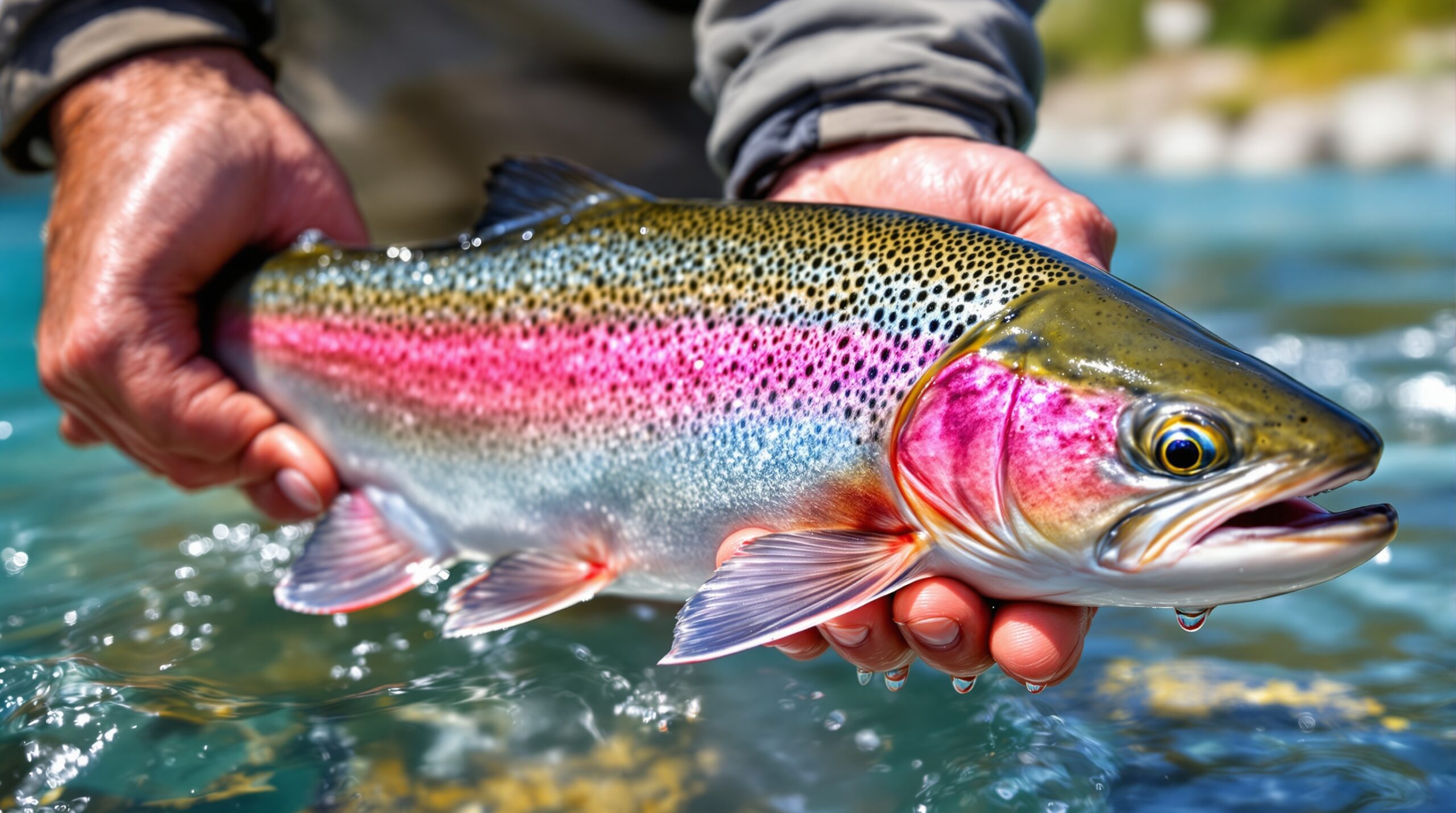
Río Traful’s Premium Access
Estancia Arroyo Verde on Río Traful maintains its reputation for exceptional hospitality and exclusive water access that protects both fish populations and angler experience quality.
- Forbes recognition: Once called “the best fishing lodge in the world,” setting industry standards for service and private beat systems
- Controlled pressure: Lodge-estancia agreements ensure structured access protecting wild trout character
- Eager fish: Low fishing pressure means trout see minimal human contact and remain willing to rise
Trophy Destinations and Specialized Fisheries
When anglers talk about bucket-list destinations, they’re usually describing places like southern Patagonia, where specialized fisheries target the largest, most challenging fish in the region. According to Yellow Dog Flyfishing, Jurassic Lake Lodge on Lago Strobel offers consistent fishing for large rainbow trout averaging 8 to 10 pounds, with fish over 20 pounds caught every week. This windswept plateau setting creates a lunar landscape where you can realistically expect multiple shots at career-defining fish during a week-long visit.
Río Grande in Tierra del Fuego represents an entirely different pursuit. Research by Dark Skies Fly Fishing shows this fishery yields trophy anadromous brown trout averaging 8 to 15 pounds during peak season from January through March, with some reaching 20 pounds. These oceangoing fish combine the power of saltwater conditioning with the technical presentation challenges of windswept rivers, creating a bucket-list experience distinct from resident trout fishing.
Access to pristine, low-pressure waters defines the premium experience across these specialized destinations. Estancia de los Rios provides access to over 60 miles of private rivers, spring creeks, and lakes on a 360,000-acre ranch, ensuring conditions where trout remain eager and unpressured. You’ll notice the difference immediately—fish that haven’t seen flies for weeks or months behave differently than those on popular public waters.
Central Patagonia’s Secluded Waters
The Chubut region provides more secluded experiences on rivers like the Rivadavia, where boat access combines with varied techniques to produce memorable days in less-crowded conditions.
- Technique diversity: Streamer and nymph fishing excel in deeper runs and undercut banks
- Quality recognition: Frequently mentioned as “highest acclaimed” waters with exceptional trophy potential
- Future expansion: May see increased infrastructure as anglers seek alternatives to established northern destinations
Essential Techniques and Planning for Fly Fishing in Patagonia Argentina
Success on Patagonian freestone rivers requires adapting presentation to complex hydraulics and tight casting lanes. According to Hatch Magazine, target rising trout in slack water pockets along current seams on the Chimehuin and Malleo, where fish hold in calmer flows while feeding on insects drifting past in adjacent faster currents. Willow-lined banks demand accurate, quick casts with immediate, precise drifts—there’s no room for sloppy presentations when you have one shot at a rising fish.
Spring creek and lake fishing shifts approach entirely toward sight fishing, where patience becomes paramount as you scan clear water for cruising browns, rainbows, and brook trout. During December-January dragonfly emergences, match your patterns to the hatch and focus on fish actively feeding rather than blindly covering water. This visual component adds immense satisfaction—watching a trophy trout rise deliberately to your dry fly creates moments that define entire trips.
For Río Grande’s sea-run browns, terrestrial patterns often outperform traditional mayfly imitations, as these oceangoing fish respond aggressively to larger surface presentations. Research by Montana Angler shows the physical challenges here differ markedly from northern rivers—expect long walks between pools, persistent winds requiring powerful casts, and fish with the strength to test every knot and connection.
Gear considerations extend beyond standard trout equipment. Patagonian winds necessitate powerful rods—5- to 6-weights minimum, with 7-weights preferred for streamer work and gusts. Leaders must turn over bushy dry flies in wind while maintaining delicate presentations on spring creeks, demanding versatile setups and willingness to adjust throughout the day. Maybe you’ve experienced that frustrating moment when your 4-weight just can’t punch through the wind—in Patagonia, that means missed opportunities on trophy fish.
Why Fly Fishing in Patagonia Argentina Matters
Patagonia Argentina represents one of the last great wild trout fisheries where anglers can consistently pursue trophy fish in pristine, low-pressure environments. The region’s combination of diverse water types, extended seasons, and fish averaging 8-10 pounds creates opportunities unavailable in most global destinations. As fishing pressure increases worldwide, Patagonia’s commitment to catch-and-release ethics and habitat protection preserves experiences that have sustained its legendary reputation across generations. This isn’t just about catching big fish—it’s about connecting with waters that still feel wild and untamed.
Conclusion
Fly fishing in Patagonia Argentina delivers unmatched diversity, from northern rivers like the Chimehuin offering world-class dry fly action to Lago Strobel’s consistent trophy rainbows and Río Grande’s powerful sea-run browns. The region’s 100-day season, fish averaging 8-10 pounds, and pristine wilderness settings create experiences that define fly fishing at its finest. Whether perfecting presentations on technical spring creeks or stripping streamers for aggressive browns, Patagonia provides waters matching every skill level and technique preference. Plan your trip through established lodges to access private beats and local expertise that transform good fishing days into unforgettable adventures on the water.
Sources
- Yellow Dog Flyfishing – Detailed analysis of wade fishing destinations including Jurassic Lake Lodge, Estancia de los Rios, and Las Pampas Lodge
- SET Fly Fishing – Comprehensive overview of northern Patagonia fishing seasons, water types, and regional characteristics
- Hatch Magazine – Historical context on Río Chimehuin and coverage of famous Patagonian rivers including Traful
- Montana Angler – Practical guidance on five classic Argentine rivers for first-time visitors
- Zicasso – Information on Río Grande sea-run brown trout and regional fishing characteristics
- Patagonia River Guides – Outfitter perspective on regional rivers and guide services
- Cascada Travel – Overview of Chubut region and wild trout opportunities
- Dark Skies Fly Fishing – Contemporary streamer fishing techniques and 2025 trip planning for northern rivers