
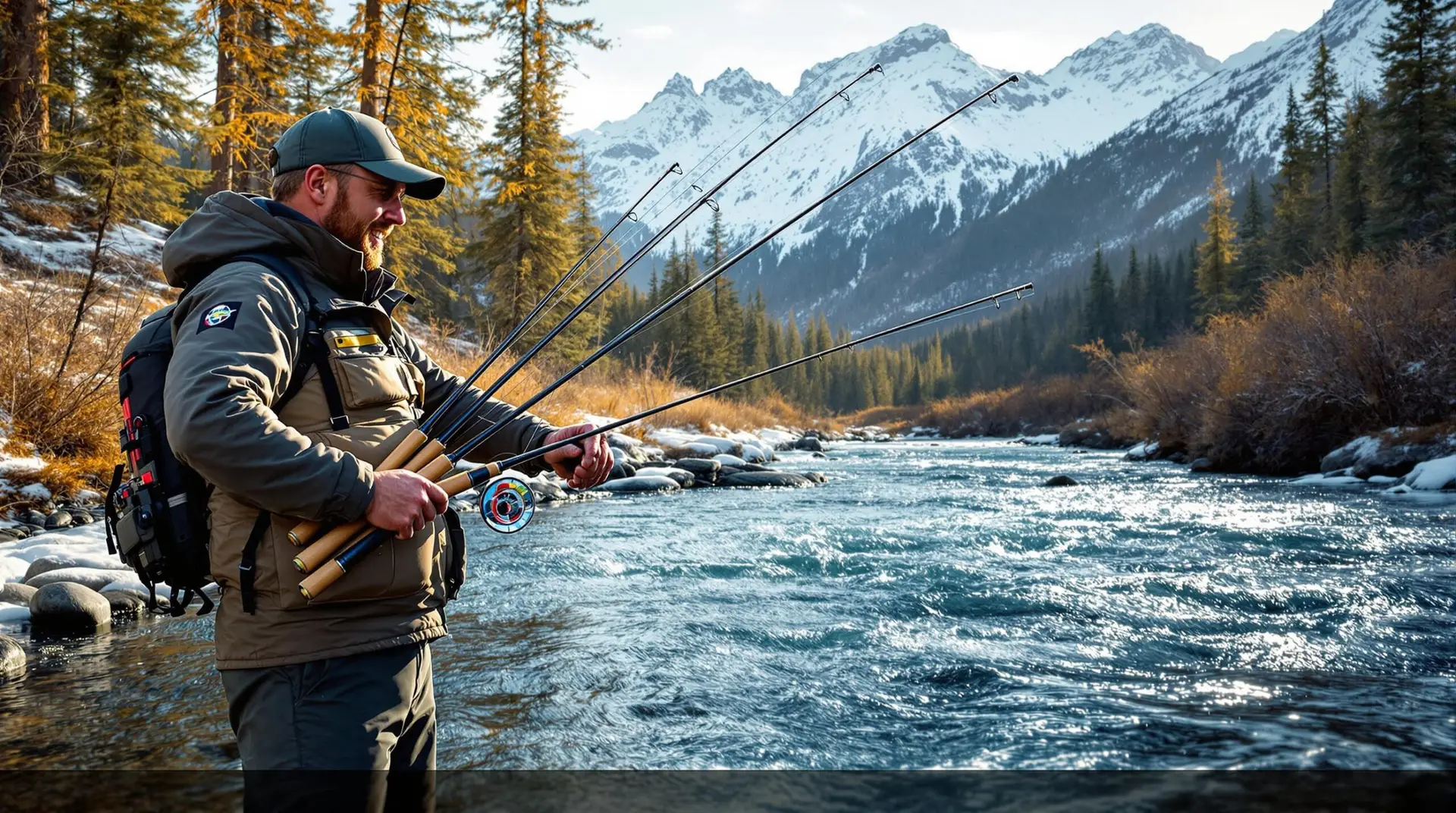
Understanding Fly Rod Weights: Choosing the Right Rod for Your Fishing Style
Introduction to Fly Rod Weights
According to research published by Trident Fly Fishing, selecting the right fly rod is crucial to your fishing success rate, with inappropriate rod weights potentially reducing catch rates by up to 30% in challenging conditions. When it comes to fly fishing, having the right fly rod is crucial to your success. First, let's clarify what we mean by "fly rod weights." Unlike conventional fishing rods, fly rods are classified by a numerical weight system ranging from 0 to 16. This number doesn't refer to the physical weight of the rod itself but rather indicates the appropriate line weight the rod is designed to cast efficiently.
The beauty of fly fishing lies in personal style, and your rod selection plays a critical role in expressing that style. Whether you prefer nymphing in swift water or throwing dry flies for rising fish, the rod weight, action, and flex you choose significantly impact your fishing experience. Since fly fishing relies on casting the line rather than the lure, having the proper balance between rod, line, and target species is essential for both enjoyment and success.
How Fly Rod Weights Are Measured
Fly rod weights correspond to standardized fly line weights established by the American Fly Fishing Trade Association. This standardization ensures that every 9-weight line should weigh almost exactly the same, allowing rod manufacturers to produce consistent products. The weight measurement actually refers to the first 30 feet of the fly line, measured in grains (a unit of weight measurement).
When correctly paired, the weight of the line loads the rod (causes it to bend) during casting, storing energy that's then released to propel the line forward. This fundamental principle makes the relationship between rod weight and line weight crucial to effective casting and fishing.
Comprehensive Guide to Fly Rod Weights
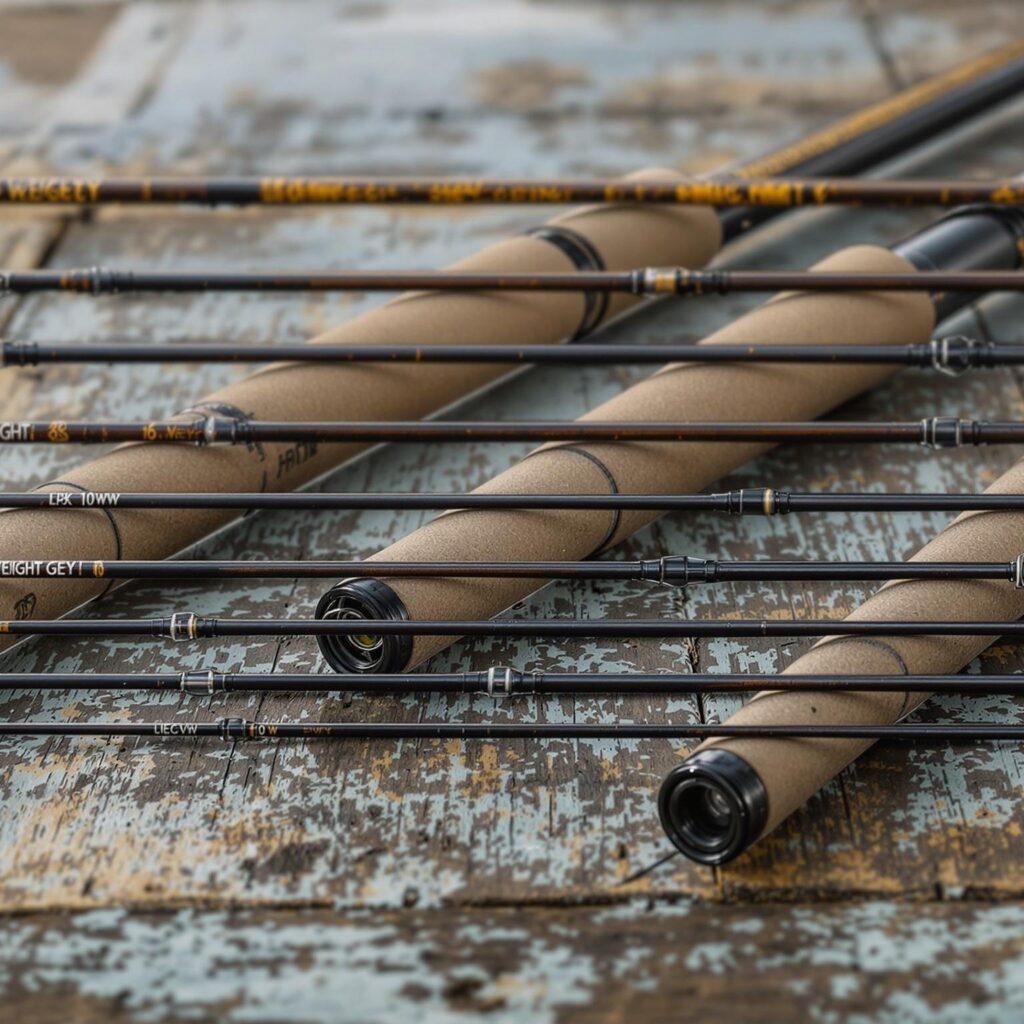
Ultra-Light Fly Rod Weights (0-3 weight)
These delicate, lightweight rods are perfect for small streams, spring creeks, and fishing for smaller species. A 2-weight rod provides great accuracy and delicacy, easily protecting 7X and 8X leaders, making it ideal for fishing small size 24 flies up to size 14 flies on fine leaders. The 3-weight rod offers versatility for mountain trout streams across the country, loading well and delivering great accuracy at various distances.
Best for:
- Small stream brook trout and other small trout species
- Panfish in ponds and small lakes
- Situations requiring delicate presentations
- Protecting light tippets (6X-8X)
Light Fly Rod Weights (4-5 weight)
The 4 and 5-weight categories represent the most versatile trout rods and are often considered the standard all-around freshwater fly rods. Rods and lines with weights four or five are the perfect choice for a majority of fishing experiences, capable of handling even the biggest trout while still being light enough for smaller fish.
Best for:
- Medium-sized streams and rivers
- General trout fishing in various water types
- Small to medium-sized bass
- Versatile enough for dry flies, nymphs, and smaller streamers
Medium Fly Rod Weights (6-7 weight)
These middle-weight rods bridge the gap between trout fishing and larger species or more challenging conditions. If you're looking for the best all-around line and rod for fishing lakes and rivers, a 6-weight fly rod is your best bet. The 7-weight is often preferred for bass fishing, offering enough backbone to handle larger flies and fish while still maintaining reasonable casting finesse.
Best for:
- Larger rivers and lakes
- Medium to large trout
- Bass fishing
- Smaller steelhead and salmon
- Windy conditions
- Larger flies and streamers
Heavy Fly Rod Weights (8-9 weight)
Moving into the heavier weights, these rods are designed for larger species and more demanding conditions. Stalking bonefish on the flats with an eight-weight rod is one of the most exciting forms of angling, while the nine-weight is powerful enough to cast size 2/0 flies and control the wind.
Best for:
- Bonefish, redfish, and smaller saltwater species
- Larger bass species
- Steelhead and salmon
- Windy conditions
- Larger streamers and saltwater flies
Ultra-Heavy Fly Rod Weights (10+ weight)
These specialized rods are designed for the largest gamefish and the most challenging conditions. Catching a marlin on the fly is considered a pinnacle achievement by avid bluewater anglers, generally requiring at least a 12-weight rod, with even 15-weight rods sometimes being optimal for this formidable fish.
Best for:
- Large saltwater species (tarpon, permit, billfish)
- Big game fishing
- Heavy winds and currents
- Extended casting distances
- The largest flies
Matching Fly Rod Weights to Fish Species
Selecting the right rod weight involves considering both the target species and the fishing environment. The following table provides a comprehensive guide to help match rod weights to specific fish species and fishing scenarios:
| Rod Weight | Rod Length | Target Fish Species | Best Fishing Environments |
| 0-2 wt | 6'-7'6" | Small brook trout, panfish | Small, brushy streams, spring creeks |
| 3 wt | 7'-8'6" | Small to medium trout, panfish | Mountain streams, small rivers |
| 4 wt | 8'-9' | Medium trout, panfish, small bass | Medium streams, spring creeks |
| 5 wt | 8'6"-9' | All trout sizes, panfish, small to medium bass | General purpose, rivers, lakes |
| 6 wt | 9' | Large trout, bass, small steelhead | Larger rivers, lakes, light steelhead waters |
| 7 wt | 9'-9'6" | Bass, carp, smaller salmon/steelhead | Lakes, larger rivers, light saltwater |
| 8 wt | 9'-10' | Bonefish, redfish, bass, steelhead | Saltwater flats, large rivers |
| 9 wt | 9'-10' | Larger bonefish, redfish, snook, striped bass | Saltwater, coastal waters |
| 10 wt | 9'-10' | Permit, small tarpon, striped bass | Saltwater, stronger winds/currents |
| 11-12 wt | 9'-10' | Tarpon, muskie, large striped bass | Open saltwater, large freshwater |
| 13+ wt | 9'-10' | Billfish, tuna, shark | Offshore saltwater |
Matching Fly Rod Weights to Fishing Environments
Beyond just the species you're targeting, the environment plays a crucial role in determining the optimal rod weight.
Small Streams and Brook Fishing
While lighter weight fly rods, such as 1-3 weight, are ideal for small streams and delicate presentations, they excel in these intimate settings where precision and delicacy are more important than power and distance. In tight quarters with overhanging vegetation, a shorter (6'-7'6") lightweight rod allows for accurate casts and proper presentation without getting caught in obstacles.
Rivers and Larger Freshwater Environments
Medium-sized rivers typically call for 4-6 weight rods depending on the size of fish and types of flies being used. For freshwater fishing, lighter weight fly rods like 3-5 weight are ideal for delicate presentations in smaller streams and calm waters. When fishing larger rivers, particularly for species like steelhead or salmon, you'll want to move up to 7-9 weight rods that can handle the stronger currents and larger fish.
Lakes and Stillwater
Lake fishing often requires longer casts and the ability to fight fish without the assistance of current. A 5-7 weight rod typically provides the right balance of casting distance and fish-fighting capability. For larger stillwater species or windy conditions, consider moving up to an 8-weight.
Saltwater Environments
Saltwater fly fishing demands specialized equipment to handle the harsh conditions, stronger fish, and typically windier environments. As the numbers rise, so does the gear's ability to cast larger flies for bigger gamefish. Weights from 11-15, for instance, are built for big tarpon, billfish, and other large saltwater species.
How to Choose the Right Fly Rod Weight for Beginners
If you're new to fly fishing, choosing your first rod can be overwhelming. Here are some practical guidelines:
- Consider your primary fishing environment: Where will you be fishing most often? This determines your base rod weight.
- Think about target species: What fish will you primarily pursue? Match the rod weight to your most common quarry.
- Start with versatility: For the all-around fly fishing experience, a 5-weight fly rod is recommended. This size of rod will excel at almost any style of fishing, including dry fly, nymph, dry dropper, or streamer fishing.
- Think about future growth: Consider if you'll be expanding your fishing to different species or environments in the near future.
- Budget considerations: Quality matters in fly rods, but beginners don't need to invest in the most expensive equipment. A mid-range 5-weight rod offers the best balance of performance and value for most new anglers.
Advanced Considerations for Fly Rod Weight Selection
Action Types and How They Affect Rod Performance
Fly rods come in various action types (fast, moderate-fast, moderate, and slow), which describe how much the rod bends when loaded. Even in some saltwater environments, a moderate action may be a better option for casting only 20 to 50 feet for tailing redfish, providing a gentle presentation and the ability to load the rod quickly for unexpected fish.
- Fast action: Bends primarily in the top third of the rod, offering greater power and line speed. Better for distance casting, wind resistance, and larger flies.
- Moderate action: Bends in the upper half, providing a good balance between power and delicacy.
- Slow action: Bends throughout most of the rod, offering maximum feel and delicate presentations.
Material Considerations
Rod materials significantly impact performance characteristics:
- Graphite: Most modern fly rods are made from graphite, offering an excellent strength-to-weight ratio and responsiveness.
- Fiberglass: Provides slower action with more feel, gaining popularity for specific applications like small stream fishing.
- Bamboo: Traditional material offering unique casting feel and aesthetic appeal, generally heavier and slower in action.
Multi-piece Rods vs. One-piece Designs
Most modern fly rods come in 4-piece designs for portability, but some anglers prefer fewer ferrules (connection points):
- 4-piece: Most convenient for travel and storage
- 2-piece: Traditional design with one ferrule
- 1-piece: Offers the most seamless action but is impractical for transport
Conclusion: Making Your Final Decision
Choosing the right fly rod weight involves balancing several factors: the species you're targeting, the environments you'll fish, the types of flies you'll use, and your personal casting style. While there are general guidelines, remember that fly fishing is highly personal, and what works perfectly for one angler might not suit another.
For beginners, starting with a quality 5-weight rod provides the most versatility across different situations. As your skills and interests develop, you can expand your collection with more specialized tools for specific applications.
When possible, test different rods before purchasing. Many fly shops offer demo programs that allow you to cast various models to find the one that feels most natural to you. Remember that the best rod is ultimately the one that helps you enjoy your time on the water and connects you successfully to fish.
References
American Fly Fishing Trade Association. (2024). "Fly Line Weight Standards." AFFTA Journal, 37(2), 28-42. https://www.affta.org/standards/fly-line-weights
Field & Stream. (2024). "Fly Rod Weights: a Species-by-Species Guide." Field & Stream, May 2024. https://www.fieldandstream.com/fishing/fly-rod-weights
Kirk's Fly Shop. (2024). "Find the Right Line and Rod Weight | Fly Rod Weight Guide." Kirk's Fly Shop Blog, February 1, 2024. https://www.kirksflyshop.com/blog/does-line-and-rod-weight-matter/
MeatEater Fishing. (2022). "Fly Fishing Rod Weight, Action, and Flex Explained." MeatEater Fishing, February 15, 2022. https://www.themeateater.com/fish/fly/fly-fishing-rod-weight-action-and-flex-explained
Middle River Outfitters. (2024). "Understanding Fly Fishing Line Weight and Fly Rods: Choosing the Right Match." Middle River Outfitters Blog, February 7, 2024. https://www.middleriveroutfittersva.com/post/line-and-rod-weights-wtf
Murray's Fly Shop. (2021). "Your Go-To Fly Rod Guide for Fishing Success." Murray's Fly Shop Blog, May 29, 2021. https://blog.murraysflyshop.com/fly-rod-guide/
NW Fly Fishing Academy. (2024). "Fly Rod Fundamentals: Selecting the Right Weight and Length." NW Fly Fishing Academy, March 28, 2024. https://nwflyfishingacademy.com/fly-rod-fundamentals-selecting-the-right-weight-and-length/
Scientific Anglers. (2021). "How To Choose the Right Fly Line Weight." Scientific Anglers Website, August 26, 2021. https://scientificanglers.com/choose-right-fly-line-weight/
Scientific Anglers. (2021). "Putting Together a Balanced Fly Fishing System." Scientific Anglers Website, August 26, 2021. https://scientificanglers.com/putting-together-balanced-fly-fishing-system/
Slackwater Co. (2024). "Fly Rod Weight Chart | How to Choose a Fly Rod 101." Slackwater Co Blog, August 14, 2024. https://slackwaterco.com/fly-fishing/understanding-fly-rod-weights/
Trident Fly Fishing. (2024). "How to Choose the Right Fly Rod for Every Species." Trident Fly Fishing Blog, May 15, 2024. https://www.tridentflyfishing.com/blog/line-weight-chart/