
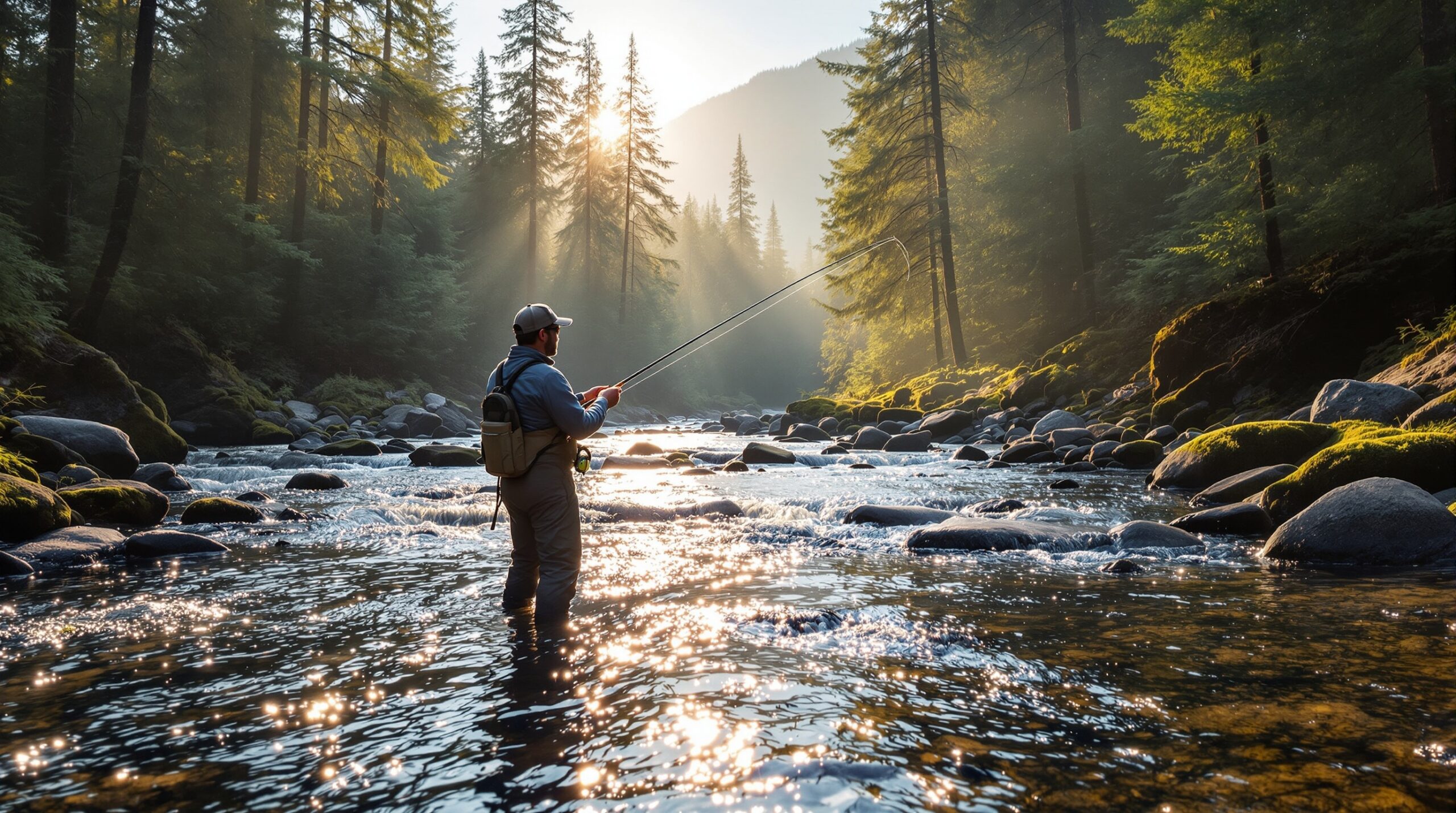
In 1892, Theodore Gordon created the Quill Gordon dry fly on Appalachian waters, inventing a pattern that would launch dry fly fishing in America and later be exported to England. This innovation exemplifies how rugged mountain streams shaped a distinctive regional tradition that prioritized practical solutions over precise imitation.
Fly fishing in Appalachia is not mere regional practice. It is foundational innovation that contributed major chapters to American angling history, from pioneering dry fly techniques to enduring presentation philosophy shaped by freestone conditions.
Quick Answer: Fly fishing in Appalachia began with Theodore Gordon’s 1892 invention of the Quill Gordon dry fly, which launched American dry fly fishing. The region developed a distinctive tradition emphasizing bright attractor patterns, practical presentation over precise imitation, and adaptation to fast, broken mountain streams.
Definition: Appalachian fly fishing is the regional angling tradition developed for freestone mountain streams, characterized by sparse, high-riding patterns and presentation-focused techniques that prioritize getting flies on water over exact insect imitation.
Key Evidence: According to Headwaters Outfitters, Theodore Gordon’s Quill Gordon dry fly is credited with starting dry fly fishing in America, using stripped peacock quill body and blue dun hackle designed for broken Appalachian waters.
Context: This innovation responded directly to mountain water conditions that demanded visible, durable patterns capable of riding high in turbulent currents.
Maybe you’ve stood knee-deep in a Smoky Mountain creek, watching your carefully tied imitation disappear into foam while trout rise all around you—that frustration drove early Appalachian anglers to develop something different. Fly fishing in Appalachia works through three mechanisms: it adapts patterns to broken water conditions, emphasizes presentation over precision, and develops locally effective techniques through generations of observation. Fast mountain currents demand flies that remain visible and afloat, creating selection pressure for sparse construction and bright colors. The result is a tradition that catches fish consistently while connecting anglers to place-specific wisdom.
Key Takeaways
- Theodore Gordon’s Quill Gordon (1892) launched dry fly fishing in America, designed specifically for Appalachian broken waters
- Yellow attractor patterns dominate regional tradition, proven most productive for southern Appalachian trout across generations
- Presentation philosophy prioritized getting flies on water over exact insect matching, shaped by freestone stream conditions
- Rich heritage contributed major innovations to American fly fishing, including locally evolved patterns and techniques
- Freestone streams like Tellico River define the experience, supporting wild and stocked rainbow, brown, and brook trout
The Birth of American Dry Fly Fishing in Appalachia
You might find it surprising that American dry fly fishing began not in the famous waters of the Catskills, but in the broken currents of Appalachian streams. Theodore Gordon invented the Quill Gordon dry fly in 1892 to target elusive brown trout, using stripped peacock quill body, wood duck wings, and blue dun hackle that rode high in broken Appalachian waters—this pattern is credited with starting dry fly fishing in America. Gordon’s innovation responded directly to regional water conditions during Epeorus pleuralis hatches, when traditional wet fly techniques proved insufficient for selective trout rising to surface insects.
The pattern’s success stemmed from sparse construction that allowed high float in turbulent currents, a design principle that would define Appalachian fly tying for generations. Exported to England, the Quill Gordon influenced global fly fishing technique, demonstrating how American innovation could reverse the traditional flow of angling knowledge from Britain to the colonies. This breakthrough established Appalachia as more than a fishing destination—it became a laboratory for technique development.
Southern Appalachia developed parallel traditions through locally evolved patterns before World War II. Research by David Klausmeyer shows that rainbow and brown trout arrived via horse-drawn barrels before Great Smoky Mountains National Park establishment in 1934, according to findings published in The American Fly Fisher. The early 1920s Hazel Creek Fishing Club popularized patterns like the Yellowhammer, while the Jim Charley dry fly originated on Pigeon River forks with distinctive barred ginger hackle that provided excellent visibility in mist and broken light under rhododendron canopy.
Regional Pattern Philosophy
Appalachian anglers developed distinctive approaches emphasizing practical effectiveness over theoretical precision.
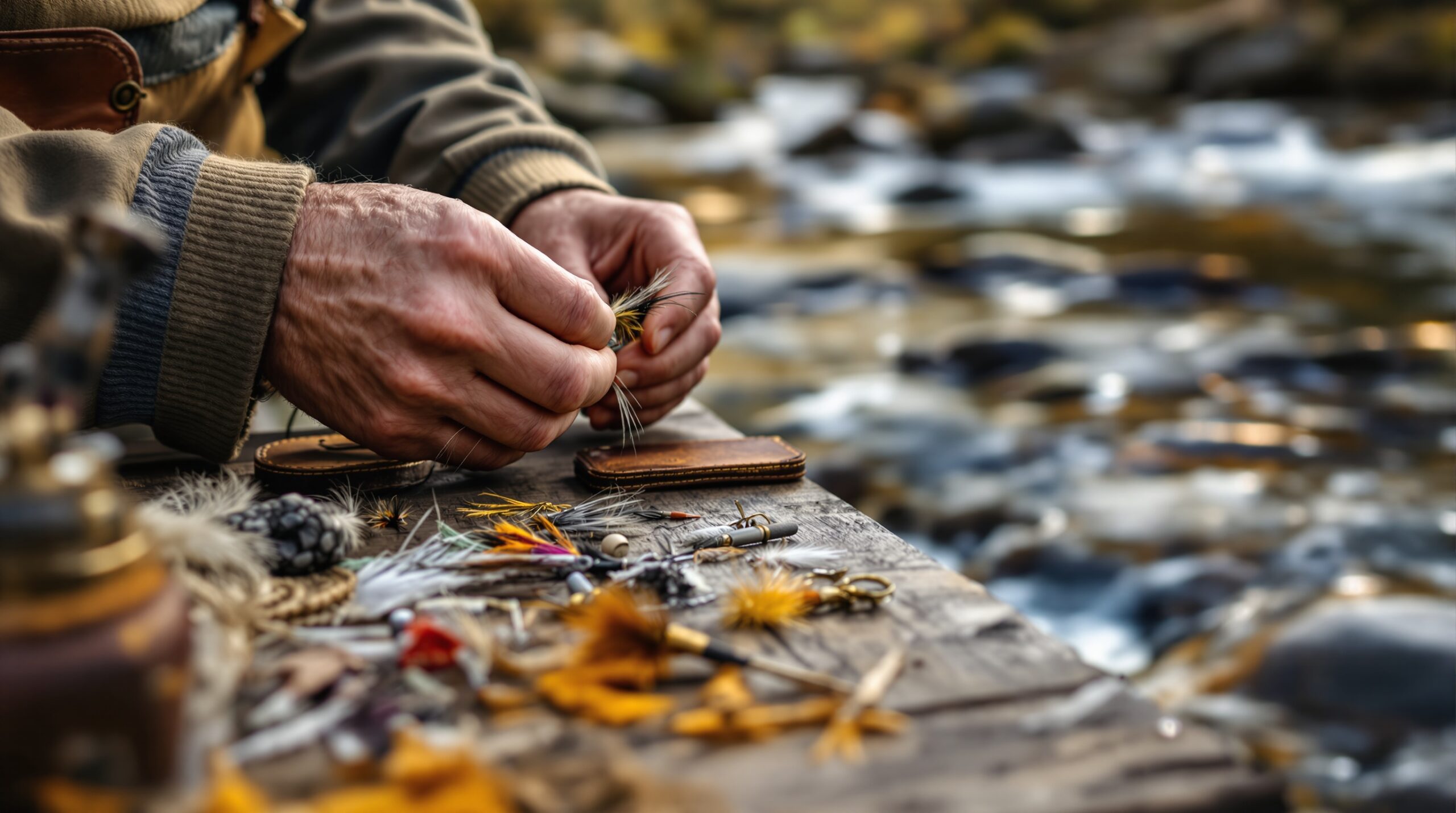
- Yellow dominance: Most productive color for mountain trout, validated across generations of observation
- Attractor patterns: Bright, visible flies designed for broken water and dense canopy conditions
- Sparse construction: High-riding designs that navigate turbulent currents without sinking
The Presentation-First Philosophy and Regional Waters
A common pattern that shows up often in Appalachian fly fishing stories involves anglers arriving with boxes of perfectly matched emergers and spent spinners, only to watch local guides tie on bright yellow attractors and outfish them three to one. According to Mark Cathey, pre-WWII Smokies master angler and guide, “any fly could catch fish; it was simply a matter of proper presentation,” dismissing stealth, fine leaders, or drag-free float as unimportant. Cathey’s philosophy reflected pragmatic realities of fishing fast mountain water where trout had less time to scrutinize offerings, challenging northeastern orthodoxy that emphasized delicate presentation and exact insect matching.
David Klausmeyer notes southern Appalachia has “rich fly fishing heritage” responsible for introducing trout species and developing unique flies, adding “a major chapter to American fly fishing history.” This assessment elevates the region beyond local interest to national significance, recognizing innovations that shaped American angling culture throughout the twentieth century.
Freestone streams like Tellico River define the Appalachian experience—described as a “very large freestone mountain stream with network of fine native trout laden tributaries” supporting wild and stocked rainbow, brown, and brook trout. Santeetlah Creek features stocked lower sections with wild fights common in crystal mountain waters. These broken waters, dense rhododendron canopy, and rugged terrain demand specific approaches where reading water for seams, pocket water, and holding lies takes precedence over gear-obsessed precision.
Traditional Patterns in Practice
Historic flies maintain relevance through proven effectiveness in regional conditions.
- Yallerhammer: First seen by Hugh Palmer in 1941, continues in Tennessee and North Carolina fly shops today
- Gray Hackle Yellow: Established as Southern Appalachian standard by Mark Cathey
- Enduring design: Patterns connect modern anglers to historical practice through tangible tradition
Modern Practice and Conservation Challenges
Contemporary fly fishing in Appalachia demonstrates deliberate return to regional roots while selectively adopting modern refinements, with anglers choosing historic patterns for proven effectiveness and cultural connection. You might notice that established outfitters like Headwaters Outfitters and Little River Outfitters serve as cultural centers preserving regional knowledge, while guides maintain traditions established by pre-WWII masters while connecting visitors with local water understanding.
Modern anglers fish Quill Gordon during mayfly hatches and Yallerhammer wet flies in high-elevation pools, with yellow attractor patterns persisting through contemporary variations that respect original sparse design principles. Growing appreciation for the “inventive and progressive” nature of early patterns positions regional tradition as sophisticated adaptation rather than backwards isolation, recognizing bright colors for visibility and robust materials for durability as forward-thinking solutions.
Conservation challenges include ongoing displacement of native brook trout by introduced rainbow and brown trout species, with competition continuing to pressure native populations particularly in lower-elevation streams. Broken waters demand mastering current reading and identifying pocket water where trout conserve energy. Best practices combine sparse, bright flies with confident casting into productive water, focusing on water structure and where trout must hold given current dynamics rather than overemphasizing exact insect matching or fishing too fine for freestone conditions.
Why Fly Fishing in Appalachia Matters
The region’s innovations—from the Quill Gordon launching American dry fly fishing to the presentation-first philosophy—shaped national angling culture beyond local practice. Freestone streams continue offering productive waters where traditional patterns prove effective across generations. Understanding this heritage connects modern anglers to practical wisdom developed specifically for mountain conditions, preserving both technique and cultural tradition for future generations on the water.
Conclusion
Fly fishing in Appalachia represents more than regional practice—it contributed foundational innovations to American angling through patterns like the Quill Gordon and philosophies emphasizing presentation over precision. From Theodore Gordon’s 1892 breakthrough to contemporary anglers fishing yellow attractors on Tellico River tributaries, the tradition demonstrates how specific water conditions drive lasting innovation. Whether exploring historic patterns or reading broken currents for holding water, understanding this heritage enriches modern practice while connecting anglers to generations who shaped these mountain streams with patience, observation, and respect for the serenity found in moving water.
Sources
- Headwaters Outfitters – History and technique of the Quill Gordon dry fly and its role in American fly fishing
- American Fly Fisher – Historical analysis of southern Appalachian fly fishing heritage, trout introductions, and regional philosophy
- Garden & Gun – Traditional southern trout fly patterns including Yallerhammer and Jim Charley
- Coastal Angler Magazine – Contemporary Tennessee River Valley fly fishing locations and water characteristics
- Little River Outfitters – Regional color preferences and attractor pattern philosophy
- Rocky River Trout Unlimited – Gray Hackle Yellow pattern history and usage
- West Virginia Public Broadcasting – Traditional handmade rods and Appalachian fishing culture