
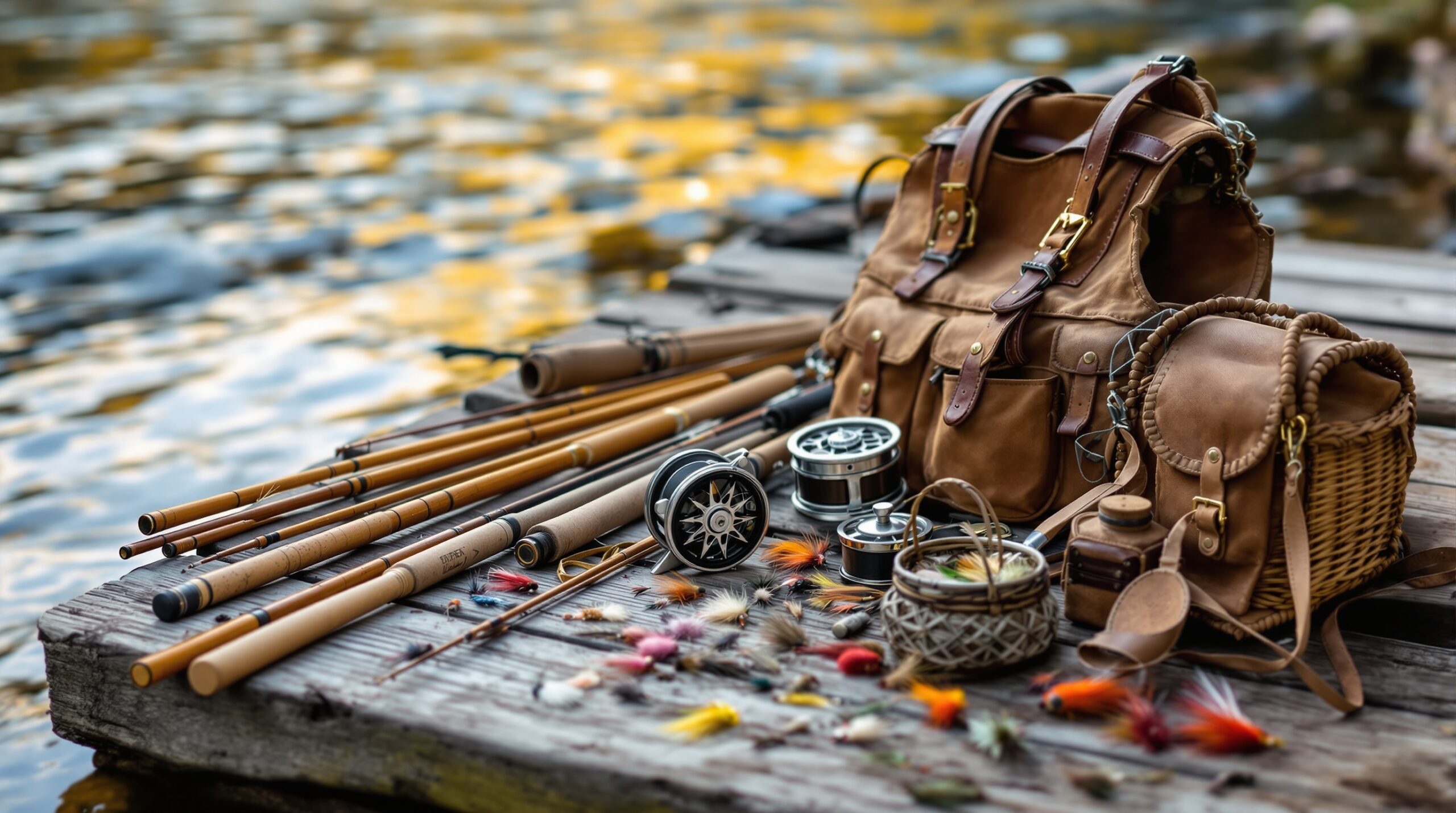
You’ve probably stood in a fly shop, admiring a beautiful rod that costs more than your monthly car payment, wondering if there’s another way. Quality vintage fly fishing equipment from brands like Orvis, Scott, and Sage can deliver years of reliable performance, with premium rods lasting decades and waders enduring 20+ years with moderate use. Vintage fly fishing equipment is not simply old gear collecting dust—it is performance-grade equipment from established manufacturers that retains functional capability while offering significant savings over new retail prices. The vintage market offers access to premium brands at substantial discounts, but success requires knowing which gear ages gracefully versus what fails at critical moments on the water.
Quick Answer: Buy vintage fly fishing equipment that performs by targeting quality brands (Winston, Orvis, Scott, Sage) from 5-10 years ago, scrutinizing photos for authentic inscriptions and ferrule construction, purchasing through specialist dealers or vetted eBay sellers with established ratings, and avoiding consumables like line and tippet regardless of price.
Definition: Vintage fly fishing equipment is previously-owned rods, reels, and accessories from established manufacturers that retain functional performance while offering significant savings over new retail prices.
Key Evidence: According to Minturn Anglers, premium rods from established makers can be purchased at approximately 50% off retail when targeting 5-10 year old models.
Context: This window represents optimal value where equipment retains modern performance while previous owners have absorbed steep depreciation.
Key Takeaways
- Target specific eras and makers - Pre-IM6 Winston rods with trophy cup logos and serial numbers under 8000 represent collectible quality that still performs
- Quality brands deliver longevity - Rods from Orvis, Scott, and Sage last years with proper care, while quality waders endure 20+ years
- Specialist dealers reduce risk - Operations like Classic Fly Fisherman and Spinoza Rod Company authenticate equipment and stand behind sales
- Photo scrutiny reveals authenticity - Crisp inscriptions, era-appropriate ferrule construction, and detailed serial numbers separate genuine equipment from counterfeits
- Avoid aged consumables entirely - Tippet, leaders, and fly line deteriorate over time and should always be purchased new
What Vintage Fly Fishing Equipment Still Performs Reliably?
The core principle governing used gear purchases remains straightforward. Research by Minturn Anglers confirms that "you generally get what you pay for," making brand selection critical when you're looking for equipment that will perform season after season on the water.Premium graphite rods from Winston, Orvis, Scott, and Sage manufactured within the past 5-10 years deliver modern performance at approximately 50% off retail. These rods incorporate contemporary materials and tapers while offering substantial savings as manufacturers release updated models. You’re not compromising on casting ability or fish-fighting strength—you’re simply buying proven designs that haven’t changed significantly in recent years.
You might discover that quality waders from Simms and Patagonia can provide 20+ years of service with moderate use, though 40-year-old waders at bargain prices should be avoided regardless of claimed condition. The rubber and fabric compounds in older waders become brittle and prone to failure at the worst possible moments. Nets from quality makers, however, deliver lifetime performance since their construction relies on wood and basic hardware that ages well.
Vintage reels deserve special consideration. Simple mechanical designs from the 1960s—particularly click-and-pawl systems—still catch fish effectively today, with fewer failure points than complex modern drags. A quality vintage reel can provide decades of reliable service because the basic function hasn’t changed: hold line and provide smooth retrieval.
Classic materials offer unique advantages for specific presentations. Bamboo rods from the 1940s-1980s and fiberglass from the 1960s-1970s deliver soft presentation characteristics valued for delicate hatches. A 45-year-old fiberglass rod can still perform admirably during “vintage days” on the water, offering a different feel and action that some anglers prefer for small streams and gentle casts.
Never purchase used tippet, leaders, or fly line—these consumables deteriorate over time and directly affect presentation quality regardless of storage conditions. Your drift and cast depend on these components performing at peak level, making new purchases essential even when building a vintage setup.
How Do I Identify Authentic Vintage Fly Fishing Equipment?
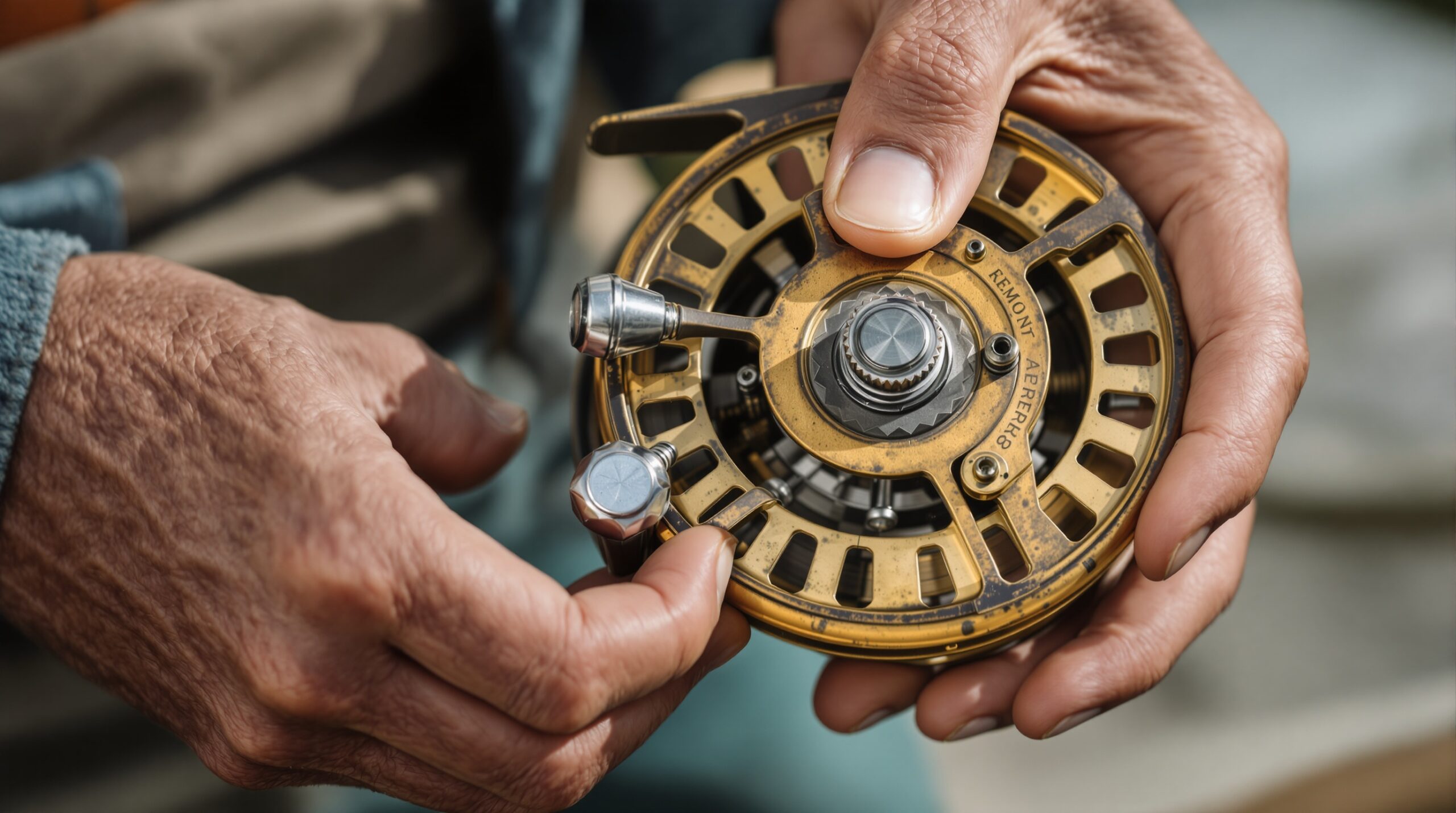
Strategic searching produces better results than broad browsing. Expert guidance from Hatch Magazine recommends you "narrow your search to specific makers and eras you're interested in—for example, pre-IM6 Winston rods with trophy cup logos, down-locking reel seats, and serial numbers under 8000." This focused approach cuts through overwhelming listings to find equipment with proven pedigree that still performs beautifully.Maybe you’ve scrolled through dozens of listings wondering how to separate genuine equipment from clever reproductions. Photo examination reveals authenticity better than descriptions alone. Scrutinize inscriptions for crisp, professionally-applied lettering—hand-drawn or irregular fonts suggest reproductions. Ferrules should match construction standards for the claimed era: older graphite often used spigot ferrules, while bamboo should show wrapped ferrule reinforcements.
Description details matter more than general condition claims. Seek listings containing specific usage information like “fished three times last season” or noting “plastic still on cork grips”—these phrases signal carefully preserved equipment. Avoid vague claims like “excellent condition” without supporting details, which often indicate sellers who don’t understand what they’re selling.
Platform selection affects both price and reliability. Specialist dealers like Bob Selb of Classic Fly Fisherman provide authentication and fair pricing, particularly for bamboo rods requiring expertise most buyers lack. On eBay, target sellers with established positive ratings and comprehensive listings—avoid zero-rated sellers entirely, as they represent unacceptable risk for expensive purchases.
Authentication Red Flags
Counterfeit equipment appears frequently on general marketplaces, requiring vigilance during evaluation.- Inscription quality: Irregular fonts or hand-drawn lettering versus professionally applied markings
- Ferrule inconsistencies: Construction style doesn't match claimed era or manufacturer standards
- Serial number gaps: Numbers that don't align with manufacturer records or known production ranges
- Stock photos: Listings using generic images rather than actual equipment photographs
Where Should I Buy Vintage Fly Fishing Equipment?
Specialist dealers offer the highest reliability for serious purchases. Operations like Classic Fly Fisherman in Lansdale, Pennsylvania, and Spinoza Rod Company provide detailed descriptions, quality photos, and authentication services. According to Hatch Magazine, Bob Selb "knows bamboo rods inside and out," providing expertise particularly valuable for collectors and anglers seeking authentic vintage pieces. These specialists stand behind their sales despite slightly higher prices.A common pattern looks like this: you find what seems like a great deal on eBay, only to discover the seller can’t answer basic questions about line weight or action. Success on eBay requires careful navigation and targeted searches for specific configurations from known brands rather than broad browsing through thousands of listings. Sellers with zero ratings should be avoided entirely, and even established sellers merit careful photo examination and description scrutiny.
Geartrade.com offers a curated middle ground between specialist dealers and general marketplaces. The selection remains smaller than eBay, but the platform provides more oversight and occasional deals on quality equipment. Inventory limitations mean patience becomes essential for finding specific configurations.
Fly fishing forums facilitate direct angler-to-angler transactions where community reputation provides accountability. These platforms offer middle ground between specialist pricing and marketplace risk, with shipping arrangements considered standard practice. Forum sales work particularly well for members with established community presence.
Evaluating Sellers
Platform choice should match your experience level and risk tolerance for vintage purchases.- Beginners: Start with specialist dealers who authenticate equipment and provide recourse
- Experienced buyers: Can find eBay value by targeting established sellers with comprehensive listings
- Community members: Forums offer reputation-based accountability for direct transactions
- Universal rule: Avoid sellers unable to specify basic details like line weight or rod length
Why Vintage Fly Fishing Equipment Matters
Quality vintage fly fishing equipment provides access to premium performance at accessible prices, allowing anglers to fish brands like Winston, Scott, and Sage at approximately half retail cost. Strategic vintage purchases extend fishing budgets without compromising water performance, particularly valuable for anglers building complete setups or exploring new techniques. Properly selected vintage gear delivers decades of reliable service backed by manufacturer repair policies honored at local fly shops. That combination of performance, value, and longevity makes vintage equipment a smart choice for anglers who understand quality but respect their budgets.Conclusion
Buying vintage fly fishing equipment that performs requires strategic focus on quality brands from the past 5-10 years, careful authentication through photo scrutiny and description analysis, and platform selection matching your experience level. Target Winston, Orvis, Scott, and Sage rods at approximately 50% off retail, purchase through specialist dealers or vetted eBay sellers with established ratings, and always buy consumables like line and tippet new regardless of vintage pricing. This approach delivers premium performance at accessible prices while avoiding the frustration of equipment failure during critical fishing moments. Success comes from patience and specificity rather than opportunistic bargain hunting—the right vintage rod will serve you faithfully for decades once you find it. Understanding the differences between bamboo and graphite construction can help guide your vintage purchases, while exploring proper rod weight selection ensures your vintage find matches your intended fishing applications.Sources
- Minturn Anglers - Budget-conscious guidance on purchasing used fly fishing equipment, including longevity expectations and brand recommendations
- Hatch Magazine - Detailed strategies for buying quality used fly rods, including authentication techniques and specialist dealer recommendations
- Classic Fly Rod Forum - Community discussion on valuation resources for vintage fishing rods