
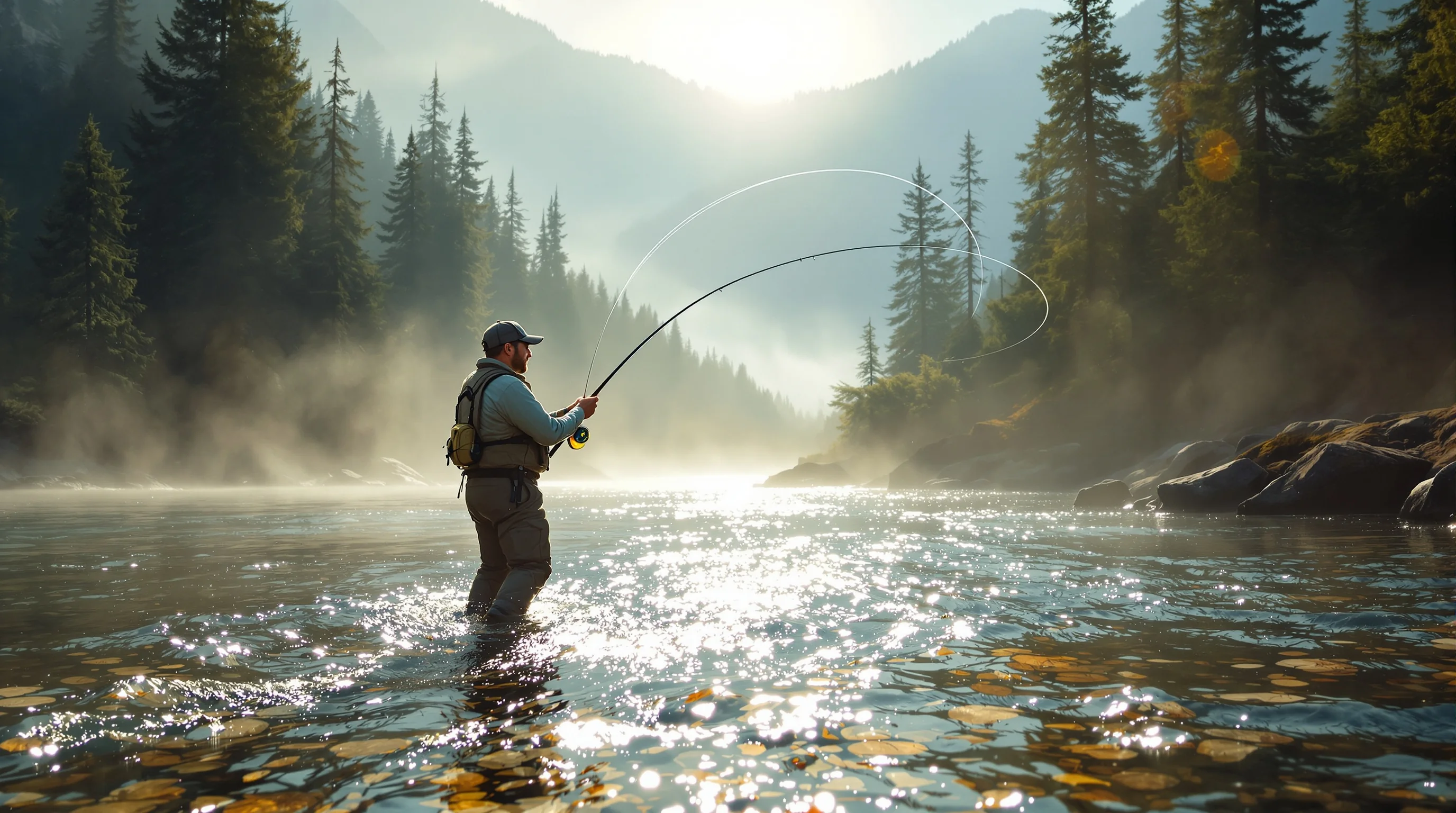
Cutthroat trout owe their name to William Clark, who described the species in his journals during the Lewis and Clark expedition in the early 1800s, according to Field & Stream. These native fish live in Pacific tributaries, the Rocky Mountains and the Great Basin, and fly anglers prize them for rising to dry flies. Cutthroat trout fly fishing rewards anglers who find cold, clean water and present a convincing pattern.
Cutthroat trout fly fishing comes down to presenting a visible, buoyant fly to an opportunistic fish. This guide covers how to identify cutthroat, the water they call home, and the flies and rigs that work in streams, alpine lakes and big basin water.
Quick Answer: Cutthroat trout fly fishing targets native western trout, identified by an orange/red slash under the lower jaw, with buoyant attractor dries such as a Parachute Adams or Stimulator, hopper patterns in summer, and nymphs under an indicator when fish stay deep. Cutthroat rise readily to dry flies, making them a favorite target for dry-fly anglers.
Definition: Cutthroat trout fly fishing is the practice of presenting dry flies, hoppers and nymphs to native western trout in streams, alpine lakes and large basin waters, using tactics suited to their willingness to feed on the surface.
Key Evidence: According to Field & Stream, stream cutthroat tend to be "more gullible than other trout species."
Context: Treat the fly advice here as guidance from experienced anglers and published angling sources, not as a fixed formula.
Cutthroat respond to a well-placed attractor pattern, even outside a hatch. The result is a trout that forgives imperfect drifts more than most. The sections below cover identification, where to find cutthroat water, and which patterns and rigs produce fish.
Key Takeaways
- The slash mark: An orange/red slash on the lower jaw identifies most cutthroat subspecies, and there are more than a dozen of them.
- Cold, clean water: Cutthroat need clean, cold, well-oxygenated water to survive and feed.
- Attractor dries and hoppers: Visible, buoyant patterns cover most summer fishing days.
- Nymphs for cold water: Early-season fish feed below the surface before hatches begin.
- Rules vary: Check current state or provincial regulations before every trip.
Cutthroat Trout Fly Fishing Starts With the Slash Mark and the Main Subspecies
Cutthroat trout fly fishing begins with learning to recognize the fish. The orange or red slash along the lower jaw marks most subspecies, though not every one carries it, and coloration and spot patterns vary widely. All cutthroat share the species name Oncorhynchus clarkii. There are more than a dozen recognized subspecies, according to Field & Stream, and a 2011 release from Colorado State University counts 14 distinct forms, two already extinct.
For a closer look at one of these waters, read our Yellowstone fly fishing guide.
Lahontan cutthroat survive in only a handful of Great Basin waters, including Pyramid Lake, where they tolerate alkalinity that would kill other trout. The all-tackle world record, a 41-pound fish, came from Pyramid Lake. Cutthroat and rainbow trout are both spring spawners and can hybridize where their ranges overlap. Idaho fisheries officials point to hybridization with non-native rainbows as the biggest threat to native cutthroat on the South Fork of the Snake River. Plan a trip with our Idaho fly fishing guide.
The cutthroat trout is identified by the orange/red slash under its lower jaw, a mark found on most of its more than a dozen subspecies.
Coastal Cutthroat in Brief
Coastal cutthroat live in tributaries from Northern California to Alaska, and their life history varies by population.
- Resident fish: Many stay in streams year-round without reaching saltwater.
- Diadromous fish: Others move between freshwater and saltwater.
- Harvest trout: Fall feeding runs up coastal rivers earned sea-run fish this nickname.
If coastal fish keep refusing your fly, our guide to coastal cutthroat refusals covers that problem in depth.
Where Cutthroat Live: Streams, Alpine Lakes and Big Basin Water
Reading the water changes with the season when you fish for cutthroat trout. Angler Maciek Jaworski, quoted in Outdoor Canada, suggests searching out smaller streams less prone to runoff, along with low-lying lakes or beaver ponds that thaw before higher water. Early in the year, focus on shallow shelves in lakes and on pools, medium-paced choppy runs and seams in streams.
Early-season cutthroat can be apprehensive and finicky. Maybe you've made five casts through the same pool with nothing to show for it. That's normal, and a sixth cast often draws the rise.
On heavily fished water, including some streams inside Yellowstone National Park, cutthroat learn to ignore repeated casts. A pattern that shows up often: you cast a Stimulator through the same roadside seam, watch a fish drift up and turn away, then walk a mile upstream, tie on the same fly one size smaller, and get a rise on the first cast. Field & Stream's fix is simple: start walking. The farther you get from parking areas, the better the fishing tends to be, though bear spray is worth carrying in grizzly country.
Lake populations are strongest where inflowing streams give fish a spring spawning run, as at Yellowstone Lake. Remote alpine lakes small enough to reach cruising fish from shore often produce the best dry-fly fishing because they see less pressure. Many state agencies stock fingerling cutthroat in alpine lakes that can't sustain natural reproduction, and fish in fertile lakes can reach 20 inches within three years. At Pyramid Lake, anglers blind-cast 7- to 9-weight rods into cold wind, and fish of 10 pounds and beyond are fairly common.
Cutthroat trout require clean, cold, well-oxygenated water, from small mountain streams to fertile alpine lakes.
Cutthroat Trout Fly Fishing Tactics: Attractor Dries, Hoppers and Nymphs
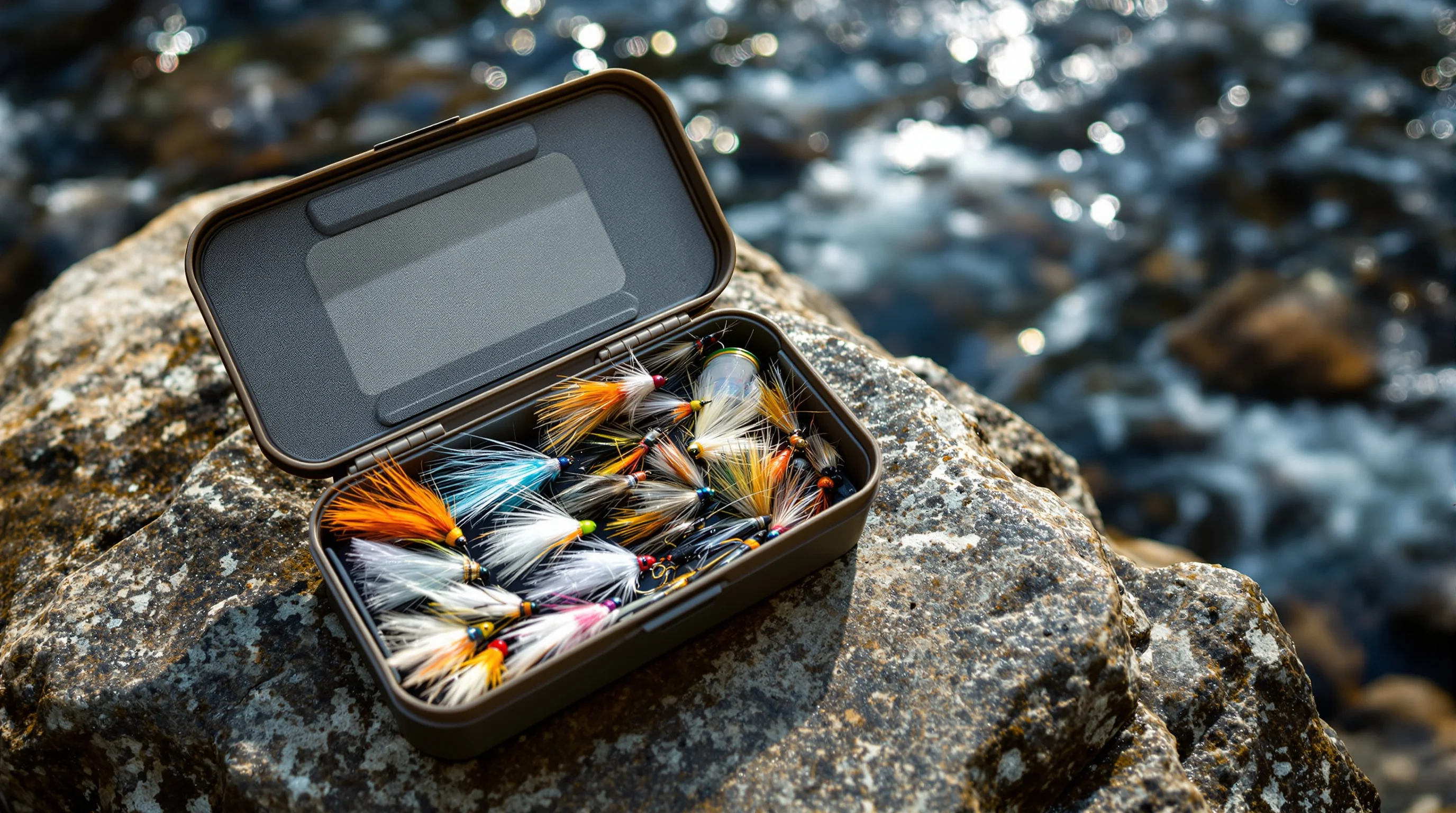
Cutthroat trout fly fishing rewards a simple fly box. During an obvious hatch, matching the naturals pays off, but outside a hatch you can get by with many patterns. Choose flies that are durable, float well and are easy to see, like a Parachute Adams or Stimulator, as Field & Stream recommends. It's okay to fish one or two patterns all day.
In warmer months, it's hard to beat a hopper pattern like a Chubby Chernobyl or Hippie Stomper. When fish on pressured water refuse those, sizing down the dry fly or adding a nymph dropper often turns things around. For more on matching patterns to conditions, see our guide on choosing flies for water conditions and seasons.
On lakes, a Parachute Adams, Stimulator, Royal Wulff or terrestrial imitation usually does the trick. If trout aren't looking up, a nymph under an indicator can save the day. At Pyramid Lake, anglers strip baitfish-imitating streamers or work nymphs and Woolly Buggers slowly along the bottom, depending on the season.
Regulations on gear, seasons and limits vary by state and province and change over time, so check current rules with your local wildlife agency before heading out.
Cutthroat trout rise readily to dry flies, so a visible attractor such as a Stimulator is a strong first choice in summer.
Early-Season Nymph Rig
In cold early-season water, few insects hatch on the surface, so cutthroat feed on nymphs and larvae below.
- Patterns: Bead Head Hare's Ear, Pheasant Tail and Prince in sizes 12 to 14, plus stonefly nymphs in sizes 6 to 10.
- Rig: 4X tippet with a yarn indicator set three to five feet above the nymph, moved higher in deeper water.
- Dry option: A Stimulator can replace the indicator where local rules allow, when natural stoneflies are active.
Why Protecting Cutthroat Water Matters
Most surviving cutthroat forms now occupy less than 15 percent of their historic native range, according to Colorado State University. A 2011 model published in PNAS projects a further 58 percent loss of interior western habitat by the 2080s under one emissions scenario, a projection rather than a measured decline. Outcomes differ by watershed: a 2021 USGS study predicts habitat gains for westslope cutthroat in the North Fork Flathead River. Every stretch of cold, clean water we protect keeps a native fish and a fishing tradition alive.
Conclusion
Cutthroat trout fly fishing rewards anglers who find cold, clean water, then lead with buoyant attractor dries and hoppers before switching to nymphs when fish hold deep. Early-season fish ask for patience, while pressured fish respond to smaller flies, a dropper and a longer walk from the trailhead.
Plan your next trip with our Yellowstone fly fishing guide and Idaho fly fishing guide, or troubleshoot coastal fish with our coastal cutthroat refusals guide. Check current agency regulations before you go, tie on something buoyant, and notice how the water feels on that first quiet morning. Tight lines.